







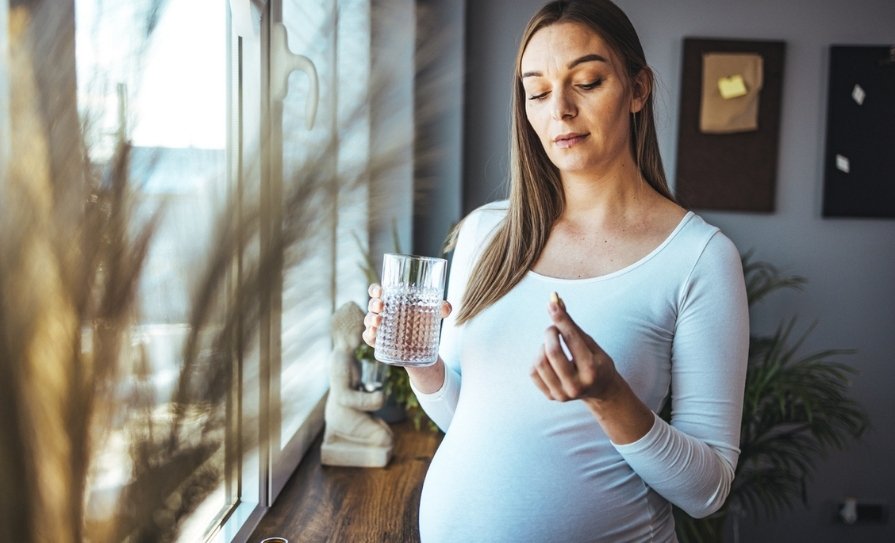
It is well known that iron is essential for brain development throughout pregnancy; however, the critical window appears to be much earlier than previously understood, according to recent findings.
University College Cork (UCC) researchers have called for routine screening for iron deficiency in pregnant women in the wake of new research demonstrating that iron deficiency in early pregnancy may be associated with lower language and motor development scores in children at two years of age – even in the absence of anaemia.
The study was published in The Journal of Nutrition and builds on earlier data showing that four-in-five pregnant women in Ireland are iron deficient by the third trimester.
The latest research was conducted by the Irish Centre for Maternal and Child Health Research (INFANT), UCC, and partners at the University of Minnesota and the Masonic Institute of the Developing Brain. The study included 189 mother-child pairs who participated in the IMPROvED and COMBINE cohort studies at the INFANT Research Centre, UCC.
Key findings:
- Over 40 per cent of healthy, low-risk women had low iron stores by mid-pregnancy.
- Babies born to mothers who were iron deficient early in pregnancy had lower iron stores at birth.
- Iron deficiency in early pregnancy may be associated with lower motor and language developmental scores at age two.
Lead researcher Dr Elaine McCarthy, Lecturer in Nutrition at UCC’s School of Food and Nutritional Sciences and Lead Investigator at the INFANT Research Centre, said: “We have previously shown that iron deficiency is very common in pregnancy, even in high-resource, low-risk settings like Ireland.
This new research provides an early indication of the lasting consequences of iron deficiency without anaemia in pregnancy, further emphasising the importance of adequate iron nutrition during pregnancy to protect the developing infant brain.
These findings highlight the need for screening for iron deficiency in women during pregnancy, and trials to look at the benefit of targeted supplementation in women with low iron stores; not just focusing on anaemia in pregnancy. Our aim is to support women. With the right information, dietary guidance, and early screening, iron deficiency is something we can address effectively.”
Following last year’s findings, the researchers at UCC and the Ireland South Women and Infants Directorate have developed a free, practical resource, titled ‘A guide on iron during pregnancy’, for expectant parents. It is available to download at: www.infantcentre.ie/wp-content/uploads/2025/05/UCC-ISWID-A-Guide-on-Iron-During-Pregnancy-Final-PDF.pdf.




Leave a Reply
You must be logged in to post a comment.