







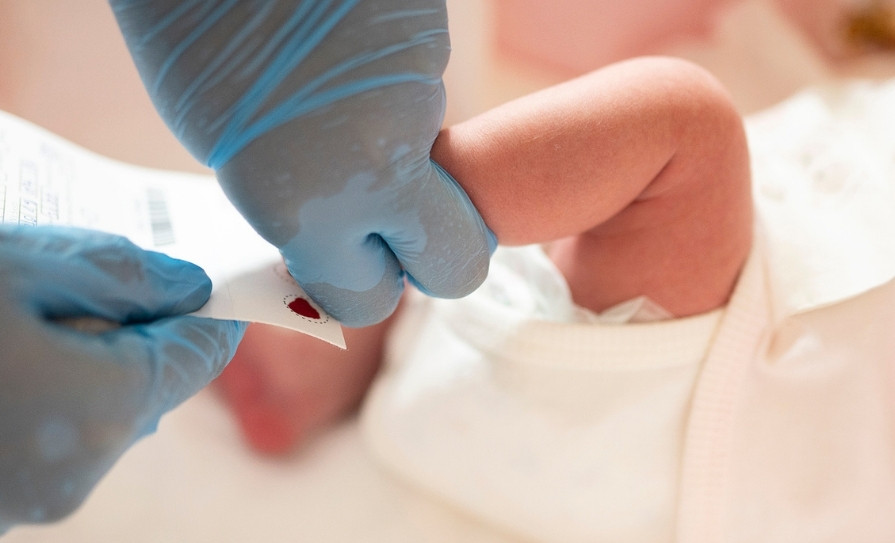
The Health Information and Quality Authority (HIQA) has released a protocol outlining its plan to conduct a health technology assessment (HTA) on adding congenital adrenal hyperplasia (CAH) to the National Newborn Bloodspot Screening Programme. This assessment was commissioned by the National Screening Advisory Committee (NSAC) and will guide its decision on whether to extend the programme to include CAH.
CAH refers to a group of inherited autosomal recessive disorders that affect the adrenal glands. The condition can vary in severity. Since current newborn screening methods are designed to detect only the more serious presentations – known as classic CAH – HIQA’s assessment will focus specifically on these forms.
In its most severe form, classic CAH results in insufficient production of aldosterone and cortisol. Without prompt diagnosis and treatment, infants can develop a life-threatening adrenal crisis due to severe salt and fluid imbalance. Symptoms can present differently depending on sex, with females often diagnosed earlier due to visible physical signs that may not be present in males.
The HTA will evaluate the overall balance of benefits and risks associated with adding CAH to the screening programme. The newly published protocol details the methods HIQA will use to review available evidence and formulate its recommendations to NSAC.
Currently, the National Newborn Bloodspot Screening Programme tests for nine rare but serious conditions and achieves a participation rate of 99.9 per cent. Each year, it identifies more than 120 infants affected by one of the conditions included in the screening panel.
Commenting on the protocol, HIQA’s Deputy CEO and Director of Health Technology Assessment, Dr Máirín Ryan, said: “As part of our assessment, we will review international guidelines on newborn screening for CAH, and evaluate its clinical effectiveness and safety alongside the budgetary and organisational considerations associated with its addition. This will help to inform a recommendation by the NSAC to the Health Minister.”


Leave a Reply
You must be logged in to post a comment.