







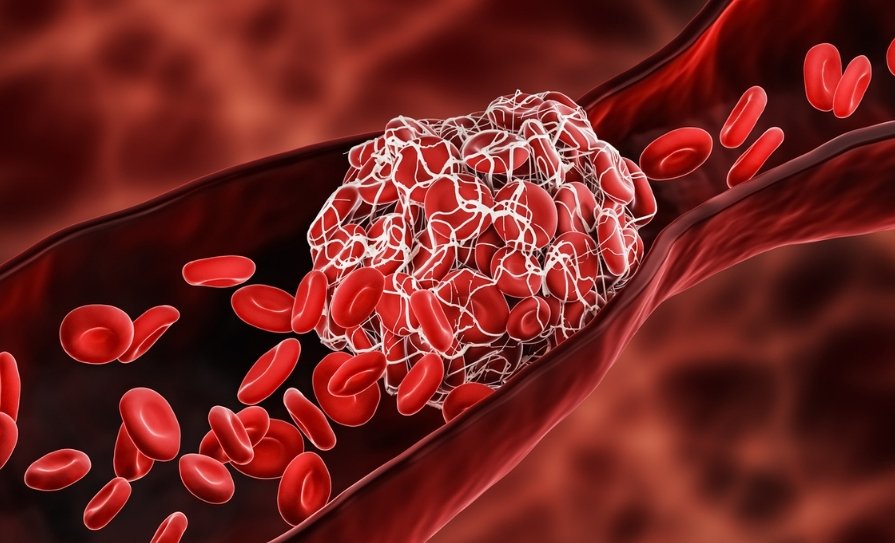
The HSE has launched a new national clinical guideline known as ‘Eve’s Protocol’ for early diagnosis and management of venous thromboembolism (VTE), including deep vein thrombosis (DVT) and pulmonary embolism. The guideline aims to standardise VTE care across Irish hospitals, reduce preventable harm, and ultimately save lives.
VTE affects approximately 5,000 people each year across the country, and it is reported that more than one in 12 people will experience a VTE event in their lifetime. Risk increases significantly with age, reaching over five in 1,000 annually among those aged 80 and older.
The new guideline reflects best international practice as defined by the International Society on Thrombosis and Haemostasis and the European Society of Cardiology, and has been named in memory of Eve Cleary, who tragically died due to VTE in 2019 at 21 years old.
Speaking after the launch, Eve’s mother Melanie said: “We are so proud to see the implementation of Eve’s guidelines and all that’s been achieved in Eve’s name. These national clinical guidelines will save lives. While you can never stop blood clots, these guidelines will stop the complications attached to VTE. Eve’s legacy will live on.”
Despite its seriousness, public awareness of VTE remains low. In one survey, 75 per cent of adults had never heard of DVT, and fewer than one in 10 could name a symptom.
“Many cases of VTE go undiagnosed until serious complications develop,” said Prof Fionnuala Ní Áinle, Consultant Haematologist and Clinical Lead for the National Clinical Programme in VTE. “This guideline is designed to change that, ensuring we identify those at risk, raise awareness among patients and staff, and provide a structured approach to care.”
Eve’s Protocol aims to:
- Improve patient safety: By establishing a clear, actionable guideline for the prevention, assessment, diagnosis, and optimal treatment of VTE
- Promote best practices: Leveraging established diagnostic pathways and risk assessment methodologies to enhance VTE awareness and management.
- Standardise care: Ensuring consistent and high-quality VTE care delivery within hospitals.
- Provide comprehensive guidance: Assisting healthcare professionals in identifying VTE risk factors, recognising signs and symptoms, and applying appropriate diagnostic, treatment, and recovery options.
The guideline emphasises the crucial role of comprehensive education for both patients and healthcare professionals regarding the signs and symptoms of VTE. A suite of patient education materials is also being co-launched alongside the guideline. These resources are available on the HSE website and are designed to empower patients with the knowledge they need to understand, prevent, and recover from blood clots.
Ann Marie O’Neill, CEO and Founder of Thrombosis Ireland said: ‘‘We were delighted to work with the HSE and the 75-member multi-disciplinary team on the development of this new National Clinical Guideline and the patient education materials. They are designed to support patients, give them clear and reliable information to help them to understand their diagnosis, treatment options, and to provide support towards their optimal recovery.
“Implementation of this VTE National Guideline and accompanying support materials, will be crucial for clinicians and patients alike to ensure the same high-quality prevention, diagnosis, treatment, and recovery supports in every hospital nationwide. We are delighted they have now been launched and will assist in helping to achieve improved VTE prevention in hospitals.’’







Leave a Reply
You must be logged in to post a comment.