








Reference: November-December 2025 | Issue 6 | Vol 18 | Page 52
Women with diabetes have an increased likelihood of many complications and early menopause may amplify these risks
Menopause, defined as the permanent cessation of menstruation, marks a significant physiological transition in a woman’s life. This period is characterised by a decline in oestrogen and progesterone, leading to various metabolic changes. For women with diabetes, menopause presents a unique set of challenges that can complicate glycaemic control and increase the risk of complications.1 Understanding the link between menopause and diabetes is essential for healthcare professionals.
Menopause
In Ireland, most women reach menopause between the ages of 45 and 55, with the average age being around 51 years. While menopause is a natural physiological transition, the impact on a women’s health and wellbeing can be profound. In recent years, menopause has gained increasing attention in policy, media, and workplace discussions, reflecting the need for improved awareness and support.
As an advanced nurse practitioner with 24 years of experience working with diabetes patients, I have observed that women living with diabetes tend to experience menopause earlier than their non-diabetic counterparts. Research has shown that women diagnosed with type 1 diabetes before age 30, or type 2 diabetes between ages 30-39, are more likely to undergo natural menopause earlier than women without diabetes.1,2,3
As women transition through menopause, declining oestrogen levels can lead to a wide range of symptoms that impact physical, emotional, and metabolic health (Table 1):
| COMMON SYMPTOMS OF MENOPAUSE |
|---|
|
✱ Hot flushes ✱ Night sweats (occur in 80 per cent of women) ✱ Sleep disruption ✱ Vaginal dryness, irritation ✱ Weight gain ✱ Joint pain ✱ Genitourinary symptoms ✱ Mood changes1 |
TABLE 1
- Hot flushes and night sweats: Oestrogen helps regulate body temperature through its action on the hypothalamus. Lower levels make the system more sensitive, triggering sudden heat surges, hot flushes, and excessive sweating, particularly at night.
- Sleep disruption: Oestrogen influences serotonin and melatonin, which are essential for healthy sleep regulation. Reduced levels can make it difficult to fall asleep and maintain restorative sleep, often leading to frequent waking and poor-quality rest.
- Vaginal dryness and irritation: Oestrogen maintains the elasticity and lubrication of vaginal tissues. Its decline results in thinning of the vaginal walls, dryness, discomfort, and irritation, often affecting sexual health.
- Weight gain: Oestrogen influences fat distribution. When levels drop, fat tends to accumulate around the abdomen rather than being more evenly distributed over the hips and thighs.
- Joint pain: Oestrogen has anti-inflammatory properties that support joint health. Its reduction increases inflammation, stiffness, and pain – commonly in the hands, shoulders, knees, and hips.
- Genitourinary symptoms: Oestrogen supports the urinary tract lining. Decline can cause thinning and weakening of the bladder and urethra, leading to issues such as:
– Reduced sensation: Nerve damage can decrease sensitivity in the genital area, affecting sexual function, intimacy, and overall quality of life.
– Vaginal dryness: Reduced blood flow related to nerve and vascular damage may result in dryness, leading to discomfort or pain during intercourse, which can contribute to relationship and psychological difficulties.
– Bladder dysfunction: Autonomic neuropathy can cause urinary problems such as frequency, urgency, or incontinence.6 These issues may increase the risk of urinary tract infections and negatively impact daily activities and social participation. - Mood changes: Oestrogen interacts with neurotransmitters such as serotonin and dopamine, which regulate mood. Reduced levels may contribute to irritability, anxiety, depression, or mood swings.3
Hormonal changes and diabetes
Entering menopause earlier increases the duration of exposure to oestrogen deficiency, which heightens risks for cardiovascular disease, osteoporosis, and metabolic issues. For women with diabetes, who are already at elevated risk of such complications, earlier menopause may amplify these risks. It may also complicate glycaemic control, weight management, and microvascular/macrovascular risk management during perimenopause and post-menopause.
It is crucial to emphasise the importance of optimising blood glucose control during menopause to female patients. Oestrogen plays a crucial role in glucose metabolism, and reduced oestrogen levels contribute to increased insulin resistance, making glycaemic control more difficult for women with diabetes. Weight gain, particularly central adiposity, is common during menopause and further exacerbates insulin resistance.1,4 Conversely, a decrease in progesterone levels can improve insulin sensitivity. Therefore, it is essential to closely monitor and adjust diabetes medication during menopause to optimise blood glucose control.
Menopause and diabetes management
Glycaemic variability: Fluctuating hormone levels during perimenopause and menopause can cause unpredictable swings in blood glucose, complicating diabetes management. Increased insulin resistance and changes in body composition may necessitate adjustments in medication or insulin dosing.5
Sleep disturbances and quality of life: Menopausal symptoms such as hot flushes and night sweats can disrupt sleep, which is linked to poorer glycaemic control. A significant challenge for women with diabetes during menopause is the overlap between symptoms of hypoglycaemia and menopausal hot flushes. Both can present with sweating, palpitations, anxiety, flushing, and feelings of warmth or heat. This similarity can make it difficult for women to distinguish between a hot flush and a hypoglycaemic episode, particularly at night or during periods of disrupted sleep. As a result, there may be delays in recognising and treating hypoglycaemia.
Cardiovascular health: Both menopause and diabetes independently increase the risk of cardiovascular complications. As women transition through menopause, the protective effects of oestrogen on the cardiovascular system decline. This hormonal shift can lead to adverse changes in lipid metabolism, including elevated low-density lipoprotein cholesterol and reduced high-density lipoprotein cholesterol. For women with diabetes, these changes compound existing cardiovascular risks. Therefore, comprehensive management of blood pressure, glycaemic control, and lipid levels, alongside healthy lifestyle choices, becomes especially important during this stage of life.
Bone health: Bone health is a significant concern for women during the menopausal transition, as declining oestrogen levels accelerate bone loss and heighten the risk of osteoporosis. Oestrogen plays a central role in bone metabolism by regulating the balance between osteoblast activity (bone formation) and osteoclast activity (bone resorption). With the reduction in oestrogen, bone resorption may exceed bone formation, resulting in diminished bone mass and a higher incidence of fractures, particularly at the hip, spine, and wrist.
This risk is even greater in women with diabetes. Diabetes is associated with multiple factors that adversely affect bone quality and fracture risk, microvascular complications, and peripheral neuropathy. The combined effects of menopause and diabetes demand a proactive approach to bone health.
Strategies include ensuring sufficient calcium and vitamin D intake, promoting weight-bearing physical activity, implementing lifestyle modifications, and considering pharmacological interventions where indicated.
Diabetic neuropathy: This is a common complication of diabetes that develops from prolonged high blood glucose levels. It can affect different parts of the nervous system and presents in several forms. In women with diabetes, neuropathy poses unique challenges. Symptoms of autonomic neuropathy may overlap with those of menopause, making diagnosis and management more complex.
These complications can affect both physical and emotional wellbeing, with implications for sexual health, relationships, and mental health. As healthcare professionals, it is essential to adopt a holistic and sensitive approach to care, addressing not only glycaemic management, but also screening for neuropathic symptoms, providing appropriate treatment options, and ensuring timely referral to specialist wservices when needed.
Menopause treatments and blood glucose levels
Menopause treatments can have varying effects on blood glucose levels, depending on the type of treatment used. Common approaches include:
- Hormone replacement therapy (HRT)
- Non-hormonal treatments
- Alternative and complementary therapies
- Lifestyle modifications.1
For women with type 1 or type 2 diabetes going through menopause, it is crucial to closely monitor blood glucose levels and work with their diabetes team to adjust treatment plans as needed, especially if commenced on treatment for menopause.
For women with type 2 diabetes, glucagon-like peptide-1 (GLP-1) receptor agonists may be considered as part of treatment during menopause. These therapies can support weight management and improve insulin resistance, both of which are commonly exacerbated by hormonal changes. GLP-1 therapies are not indicated for type 1 diabetes but may offer significant benefits for type 2 patients in this life stage.
The role of technology in supporting diabetes patients through menopause
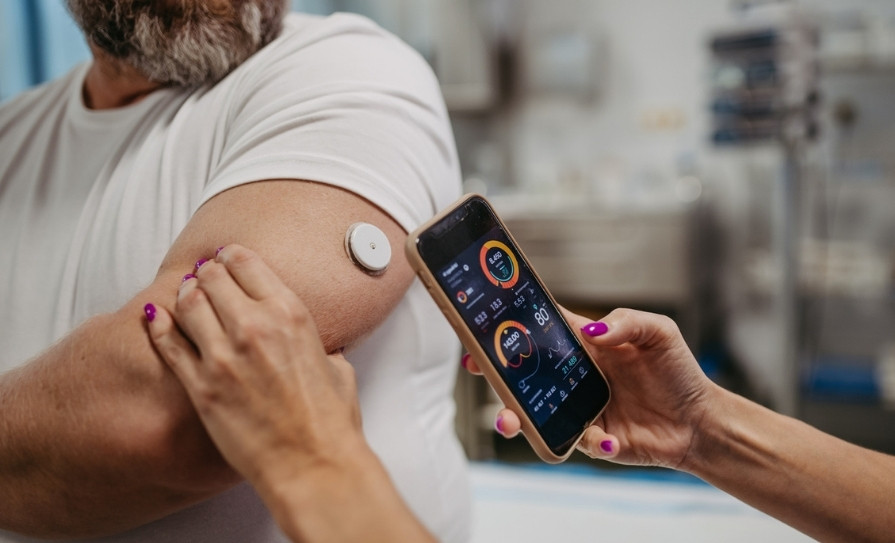
Given society’s increasing dependence on technology, its role in managing diabetes has become more significant than ever. Technological advancements play a crucial part in helping diabetes patients navigate their health journeys with greater ease.
Introducing the hybrid closed-loop insulin pump into type 1 diabetes management during menopause provides substantial improvements in blood glucose control compared to multiple daily insulin injections.
Conclusion
Menopause introduces significant physiological changes that can complicate diabetes management for women with both type 1 and type 2 diabetes. Hormonal fluctuations affect insulin sensitivity, increase glucose variability, and elevate the risk of complications. These challenges require a personalised and proactive approach to care. The integration of hybrid closed-loop insulin pump technology offers promising improvements in glycaemic control, particularly for women with type 1 diabetes. For those with type 2 diabetes, lifestyle adjustments and careful medication management remain key.
By combining technological innovation with education and support, healthcare providers can empower women to navigate menopause with greater confidence and improved health outcomes. Menopause can be a challenging time for women, especially with diabetes. Nurses and other healthcare providers should aim to make the journey as smooth as possible and help reduce long-term complications.
References
- Lambrinoudaki I, Paschou SA, Armeni E, Goulis DG. The interplay between diabetes mellitus and menopause: Clinical implications. Nat Rev Endocrinol. 2022;18(9):525-539. doi:10.1038/s41574-022-00708-0.
- American Diabetes Association. Diabetes and early menopause. 2024. Available at: https://diabetes.org/health-wellness/sexual-health/early-menopause-diabetes.
- Yazdkhasti M, Jafarabady K, Shafiee A, et al. The association between age of menopause and type 2 diabetes: A systematic review and meta-analysis. Nutr Metab (Lond). 2024;21:87. doi:10.1186/s12986-024-00858-0.
- Mukherjee A. Managing menopause in women with diabetes. Br J Diabetes. 2024;24(2). doi:10.15277/bjd.2024.467.
- Choi MJ, Yu J. Menopause and diabetes risk along with trajectory of β-cell function and insulin sensitivity: A community-based cohort study. Healthcare (Basel). 2025;13(9):1062. doi:10.3390/healthcare13091062.
- Diabetes Care Community. Menopause and diabetes. 2023. Available at: www.diabetescarecommunity.ca/living-well-with-diabetes-articles/diabetes-management-articles/menopause-and-diabetes/.









Leave a Reply
You must be logged in to post a comment.