







Reference: November-December 2025 | Issue 6 | Vol 18 | Page 67
Oxygen therapy revolutionised the management of respiratory and other conditions after its discovery in the late 1700s. It plays a role in most care settings and is associated with myriad benefits for appropriate patients. Home oxygen therapy is often indicated for patients with long-term lung or heart conditions like chronic obstructive pulmonary disease (COPD), pulmonary fibrosis, and heart failure.
This article takes a look at oxygen therapy in the home, including the nurses and advocates that have been, and continue to be, the driving forces behind the standardisation and optimisation of the treatment in Ireland.
The past
Oxygen was first discovered as an element in 1774 by Joseph Priestley.¹ Its potential value for people with respiratory conditions was quickly recognised after its discovery. Thomas Beddoes, considered the father of respiratory therapy, worked with inventor James Watt to generate oxygen and other gases, using it to manage tuberculosis, asthma, congestive heart failure, and other ailments.
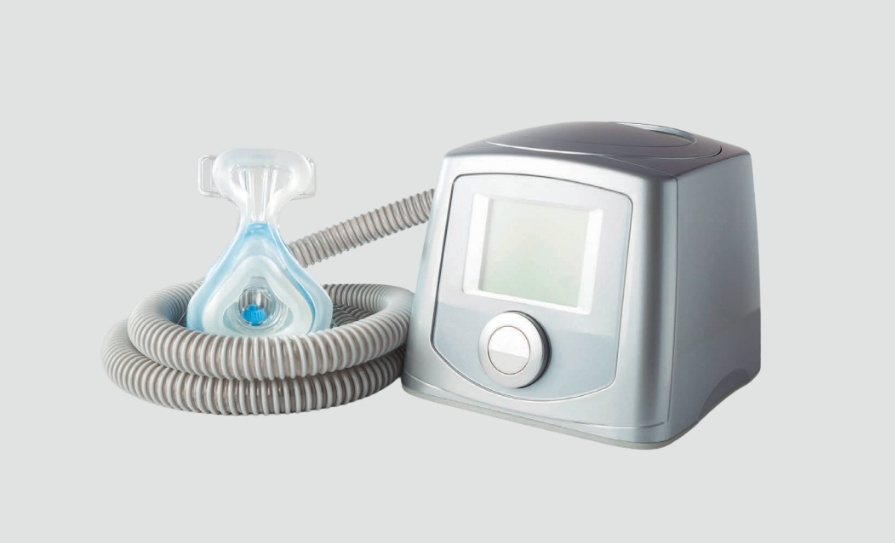
Following this pioneering work, many advancements in oxygen storage and delivery systems have been made, resulting in a treatment that is efficient, comfortable, and suitable for home use. In Ireland in the 1980s, Air Liquide (originally known as Medical Gases Ireland or MGI) brought the first oxygen concentrator to a patient’s home. Since the 1980s, we have come further still, with even more sophisticated equipment, clearer prescribing guidelines, and a national home oxygen order form-prescription (HOOF-P).
Much of the driving force to improve standards of care for those requiring home oxygen originated with respiratory nurses, physiotherapists, and patient advocacy groups. Members of the Respiratory Nurses Association of Ireland (Anáil) highlighted the need to standardise processes surrounding oxygen during a workshop in 2013.
The paucity of oxygen assessment and review clinics across the country was fervently discussed – with numerous accounts of varying prescribing practices and a lack of standardised care, resources, and equipment provision.
Subsequently, this motivated band of nurses set about establishing a multidisciplinary working group to devise Ireland’s first national guideline on long-term oxygen therapy (LTOT) in adults. Enrolling support from the Irish Thoracic Society, this guideline was launched at the annual conference in 2015.²
Exploring the landscape and gathering data
During this work, news of a new contract for the delivery of home oxygen products and services was circulated. The HSE procurement team sought clinical staff to support the tender process. As the co-ordinator for the home oxygen guidelines, I joined in 2014, along with colleagues of all disciplines from around Ireland.
Part of my assigned work was to examine the landscape of clinical expertise available to support an oxygen contract. In 2017, with support from the National Clinical Programme Respiratory Lead Prof Tim McDonnell, an audit of hospital sites was undertaken to appraise oxygen assessment clinics.³
The results supported the anecdotal evidence previously reported on the paucity of services and standards. Of responses from 36 hospitals, only 13 (36%) had a dedicated oxygen assessment clinic. Six of the 13 centres (45%) required patients to be optimised medically prior to initiation of oxygen therapy, and 84 per cent did not maintain a register of patients prescribed oxygen to ensure follow-up occurred. In summary, no centres met full criteria for the prescribing of oxygen therapy or had sufficient resources to ensure continuous follow-up of their patients, echoing findings from the literature.
In their 2021 study examining reassessment of home oxygen after hospitalisation with COPD, Spece et al suggested that as many as 84 per cent of patients no longer met the criteria for resting hypoxaemia.⁴ In the British Thoracic Society guideline, Hardinge (2015) suggested that 30-58 per cent of those prescribed oxygen during exacerbation no longer required it one to three months after commencing, and acknowledged that removing oxygen from someone can be difficult. The guideline recommends serious consideration and assessment before prescribing LTOT in the home.⁵
The Lancet Global Health Commission on Medical Oxygen Security (2025) describes in great detail how oxygen is a scarce and precious commodity, of which we do not have endless supplies.⁶ Throughout the Covid-19 pandemic, we witnessed the devastating effect shortages of oxygen had across the globe, and the winter storms in 2024 left many homes without electricity for protracted periods, putting increased pressure on national supplies of liquid and cylinder oxygen. With all this in mind, it is imperative that all healthcare professionals evaluate and prescribe oxygen to patients responsibly.
It was widely acknowledged that a lack of strict regulations surrounding the prescription of home oxygen therapy, and deficient resource allocation to ensure adequate assessment and follow-up, often result in inappropriate prescribing or incorrect modalities being chosen.
It has also been well established that appropriate assessment, prescription, and follow-up improves patient outcomes. During the Irish Thoracic Society conference in 2023, numerous centres presented positive data from dedicated home oxygen services.
A quality improvement initiative of an oxygen assessment clinic in Nenagh Hospital found significant cost savings, improved prescribing practices, and a high level of patient satisfaction, while a retrospective audit from Portiuncula Hospital’s oxygen clinic of 216 patients found that 64 per cent no longer required oxygen post discharge with borderline hypoxia.
A further examination of the data found that one hundred per cent of patients required adjustment to their prescription, equipment, or adherence at eight weeks post initiation of oxygen on hospital discharge. Without this service, as is the case in many Irish hospitals, patients prescribed oxygen therapy for the first time are not receiving optimal follow-up.
The present
As mentioned, historically, there had never been a HSE mandate surrounding the prescribing of home oxygen. However, through a long process of engagement, two major changes have occurred in the recent landscape of home oxygen therapy. The new national HOOF-P and agreement forms were mandated by the HSE in 2024.
Alongside this, in May 2024, the first national contract for the delivery of home oxygen equipment and services was awarded. Air Liquide won the contract for two-thirds of the country, while Vivisol, a new provider, gained the remaining third. Longstanding supplier BOC no longer delivers domestic oxygen therapy, but continues to supply medical cases to hospitals and other centres across the country. During the engagement period, and for the first time, the Health Products Regulatory Authority mandated suppliers to ensure a medical or nurse prescriber registration number accompanied each HOOF-P.
These two regulations have been instrumental in creating a significant shift in prescribing practice nationally. Home oxygen is now recognised as a drug, requiring appropriate assessment and annual prescribing like all medicinal products. As a result of this significant change, it is anticipated that prescribing of home oxygen will be more carefully considered going forward. Clinicians are forced to contemplate if oxygen is clinically indicated and to ascertain if there is capacity to re-prescribe it in a year’s time. However, with no dedicated HSE funding for home oxygen assessment and review, follow-up care will continue to be precarious in reality.
During the 10 years of working with the HSE to instigate this change, I brought in key stakeholders to ensure robust feedback and input from all sectors. The main group of concern were oxygen users themselves. The Irish Thoracic Society committee was keen to gain the lived experience of oxygen users. Some of the issues highlighted during an oxygen user survey include:
- Only 53 per cent of respondents reported having enough oxygen therapy to enjoy social activities.
- Between 60-63 per cent reported having enough oxygen to undertake household chores (housework, shopping etc) or attend hospital appointments.
- When asked ‘how has being on oxygen therapy affected your quality of life?’ some of the responses were as follows:
- “Severely affected by uncertainty over supply of portable oxygen.”
- “Total change to the quality of my life, but l have to be thankful l still can do a lot of my usual activities.… l look upon my oxygen as a great companion – always there when l need it.”
- “I can still do everything just a little slower. I rest when I need to.”
- “Very nervous to be alone.”
- “I am in early stages, so the oxygen is a boost when undertaking activities/exercising.”
- “Having to pay €403 per month, and then claim a DPS refund means I’m always out of pocket.”
- “The people taking the phone orders and the delivery men are always polite and respectful but the deliveries are unreliable.”
The future
In order to facilitate the new contracts in 2024/2025, all patients were expected to have a new HOOF-P, regardless of territory. These changes were much needed; however, services struggled to meet the increased demand and were under-resourced to facilitate the requirements of the contracts. All respiratory and non-respiratory staff had to ensure the safe transition of patients to a new HOOF-P without any additional resource allocation.
During this process, awareness increased across the HSE on the breadth of unequal service provision for those requiring home oxygen therapy. With this major shift in process, we now have an opportunity to provide a higher standard of care to these often complex and vulnerable patients.
What should home oxygen services look like in the future?
My vision is for dedicated, funded oxygen assessment and review services that provide the highest standard of care to all patients requiring home oxygen therapy. Across the spectrum of those requiring home oxygen are children and adults with complex needs. High-quality services would require a dedicated oxygen specialist nurse and physiotherapy team for each chronic disease hub; clinical governance for the staff provided by a knowledgeable consultant; and clinical governance for the medical optimisation of the patient remaining with the referring physician or service.
Staff operating services would be held as experts, and as such, non-prescribing specialist nurses and physiotherapists would hold recognised qualifications and prescribing rights to cover all oxygen modalities. In the past, there has been an over-reliance on suppliers to provide follow-up care or monitoring of patients on home oxygen and ventilation.
Patients prescribed oxygen for the first time should have a home visit undertaken post commencement by HSE staff not affiliated with suppliers of oxygen, to ensure safety and adherence with treatment. Administration support would ensure robust data collection and that follow-up care takes place.
Conclusion
We have seen large financial savings when oxygen users are assessed, followed up, and supported correctly. Investing in dedicated services will provide cost-effective, standardised care to oxygen users that has long been required. Commencing oxygen therapy for the first time reflects a significant change in a person’s disease trajectory and often comes with significant grief.
Oxygen users face substantial social, psychological, and economic challenges. Oxygen therapy restricts free movement in and out of the home. These patients need to be provided with clear information and education on the limitations and appropriate use of oxygen equipment. They deserve to be well supported by HSE and supply staff while they adapt to the changes home oxygen therapy inevitably brings to their life.
References
- Suplee C. Joseph Priestley discoverer of oxygen therapy, commemorative booklet. American Chemical Society. 2004.
- Irish Thoracic Society. Irish guidelines on long-term oxygen therapy (LTOT) in adults. ITS; 2015. Available at: www.irishthoracicsociety.com/wp-content/uploads/2017/05/LTOT-guideline-2015-1.pdf.
- O’Donnell C, Davis P, McDonnell T. Oxygen therapy in Ireland: A nationwide review of delivery, monitoring, and cost implications. Ir Med J. 2019;112(5):933.
- Spece LJ, Epler EM, Duan K, et al. Reassessment of home oxygen prescription after hospitalisation for chronic obstructive pulmonary disease. A potential target for deimplementation. Ann Am Thorac Soc. 2021;18(3):426-432.
- Hardinge M, Annandale J, Bourne S, et al. British Thoracic Society guidelines for home oxygen use in adults. Thorax. 2015;70 Suppl 1:i1-i43.
- Graham HR, King C, Rahman AE, et al. Reducing global inequities in medical oxygen access: The Lancet Global Health Commission on medical oxygen security. Lancet Glob Health. 2025;13(3):e528-e584.









Leave a Reply
You must be logged in to post a comment.