







I have over 35 years nursing experience including intensive care and cardiothoracic nursing from various roles in Ireland and the NHS, and have been part of the National Lung Transplant Programme since 2005 as a clinical nurse specialist. Following successful completion of MSc (Advanced Nursing Practice) in UCD in 2010, I registered as an ANP in 2015.
I was delighted to achieve accreditation as a RANP, and following this, I completed the Professional Certificate in Medication Prescribing and Professional Certificate in Nursing, Prescribing Ionising radiation in 2013 and 2019, respectively, as I knew that these would help me to contribute more in my role.
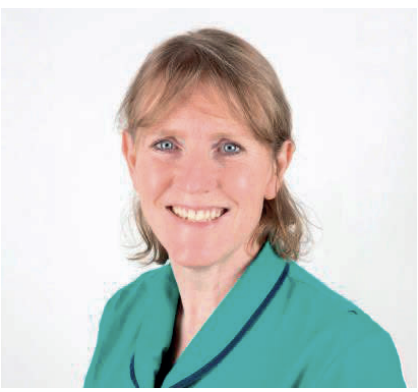
The 20th anniversary of the first Irish lung transplant procedure in May 2025 gave the team the chance to reflect on the contribution of nursing to the success of the programme. I manage a busy post lung transplant clinic, providing expert care to lung transplant recipients and their caregivers/family, managing and prescribing immunosuppression, promoting health maintenance, and the early detection of complications.
Lung transplant recipients in Ireland receive almost all of their lifelong follow-up at the National Lung Transplant Centre, Mater Misericordiae University Hospital (MMUH), so a huge part of my role is coordinating the multidisciplinary care as recipients attend the transplant clinic for surveillance of infectious and non-infectious complications. Leadership and the training of other members of the team including non-consultant hospital doctors is also an important part of my role.
Clinical practice
The MMUH has an enviable reputation for survival after lung transplant which is better than international averages. A study examining lung transplant survival has speculated that survival is longer in Europe compared to North America due to the long-term follow-up at the transplant centres.
Typically, following lung transplant patients attend clinic weekly for four weeks, then fortnightly for six weeks, monthly for three months, then every three to four months lifelong. Recipients travel from all around Ireland to attend the clinic. Streamlining both scheduled and unscheduled access to the transplant clinic for pulmonary and non-pulmonary conditions is a challenge.
Approximately 25 per cent of our patient cohort is over the age of 65 at the time of transplant; therefore, we care for many older patients who have numerous comorbidities. Many have cardiac risk factors. Our patients have an increased risk of cancer due to their underlying conditions, and transplant immunosuppression increases this risk further. One of my roles is to manage and follow-up the enhanced screening required in this cohort.
The cornerstone to the success and survival post-transplant is based on active interventions to manage lifestyle, co-morbidities, and immunosuppression. Target levels of immunosuppression are patient specific and require skilled oversight to avoid levels that are outside the desired range either risking rejection or toxicity.
As an ANP and nurse prescriber I manage and monitor immunosuppression prescribing and observe for any unwanted side effects. There are many drug interactions to consider. Importantly I build a therapeutic relationship with patients, supporting and educating them about organising and managing medication, and supporting them to adhere to their drug regimens and lifestyle.
Research, audit, and education:
1. Current QI project: Better together project with the whole transplant team, patients, carers, and our transformation team.
Background: To improve current methods of providing patients and their families with information and education about their lung transplant journey. We are creating a self-paced digital educational/support toolkit for lung transplant patients from initial diagnosis to lifelong post-transplant care. This project builds on a project that we completed with an NCAD student and SPARK funding to design new teaching materials. This addressed the loss of peer support and isolation during the pandemic.
2. Providing post-lung transplant care during the time of Covid-19, published September 2021, British Journal of Nursing.
We implemented a remote monitoring system during Covid-19 that incorporated Bluetooth-enabled devices. This approach proved effective in facilitating earlier detection and management of changes in lung function.
Awards: Winner of the Excellence in Respiratory Initiative of the Year 2019 for designing a project which established a heart and lung transplant MDT master class. This is one of my favourite initiatives as the peer to peer learning creates positive motivation to improve any poor habits that might have crept in over the years after transplant.
Closing reflections: I feel very fortunate and privileged to care for and work with such inspirational patients who have dealt with a life-threatening diagnosis that does not just affect them, but the whole family. Patients demonstrate remarkable resilience and courage, embracing their new life.
As one gentleman put it ‘life is all about living it and making it the best I can and that I have been given this precious gift and a second chance at life’. I am reminded every day that organ donation saves lives and so much more, this is made possible by the courageous donor families.




Leave a Reply
You must be logged in to post a comment.