








Reflections on working as a RANP in urgent care
Working as a Registered Advanced Nurse Practitioner (RANP) in urgent care brings together everything I value about clinical practice – autonomy, complexity, teamwork, and variety. No two shifts are the same: One hour may involve rapid assessment and decision-making for an acutely unwell patient, the next might focus on providing reassurance and safety netting for someone managing a long-term condition. The role combines advanced clinical expertise with leadership, education, and research.
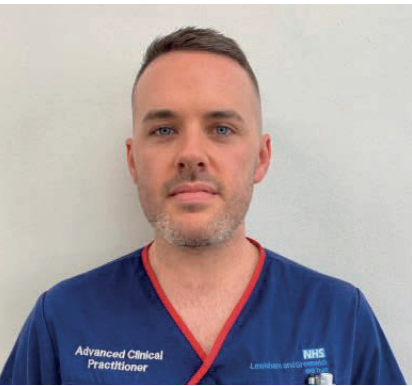
My journey to advanced practice
My career began in the high-pressure environment of the emergency department, where I trained and worked as an emergency nurse practitioner. That grounding in accident and emergency taught me how to assess quickly, communicate clearly, and lead calmly. I learned the value of critical thinking, teamwork, and compassionate care under pressure – skills that continue to shape my practice today.
Over time, I developed a particular interest in frailty and the complex needs of older adults presenting to emergency services. I saw firsthand how earlier intervention and community-based support could prevent avoidable admissions and improve quality of life.
This interest led me to pursue advanced practice, completing my MSc in Advanced Clinical Practice at St George’s University. The programme strengthened my diagnostic reasoning and clinical confidence while embedding the four pillars of advanced practice: Clinical, leadership, education, and research.
From emergency to community and back again
After several rewarding years in emergency care, I joined an urgent community response team focused on admission avoidance. This role allowed me to apply advanced clinical skills in patients’ homes, providing rapid assessment, treatment, and support to help remain safely in the community.
Working alongside paramedics, therapists, and GPs, I gained a deeper understanding of frailty, system flow, and the importance of integrated care pathways.
That experience profoundly shaped my perspective on how urgent and emergency care can be delivered beyond the hospital walls. Yet, when I later returned to frontline urgent care, I brought with me a broader, more holistic approach, one that values prevention as much as rapid response.
Transition to Ireland and registration as a RANP
My move from the UK to Ireland marked a significant professional milestone. Becoming registered with the Nursing and Midwifery Board of Ireland as a registered advanced nurse practitioner validated my previous experience and underscored the international recognition of advanced practice.
The process involved demonstrating competence, education, and scope of practice, reflecting on how advanced roles are evolving.
Now practising as a RANP in urgent care, I draw on both my emergency and community backgrounds to provide patient centred, evidence-based care. The transition has reinforced how adaptable advanced practice can be, bridging services and ensuring patients receive the right care, in the right place, at the right time.
Research, audit, and education
Research and education continue to underpin my practice. I have contributed to service audits on frailty and remain actively involved in teaching and supervising advanced practice trainees. Ongoing professional learning is a priority, and I am currently pursuing postgraduate study in clinical geriatrics to deepen my expertise in the care of older people.
Leadership and professional involvement
Leadership within advanced practice extends beyond direct clinical care. I am engaged in service development, quality improvement, and professional networks which advocate for the RANP role. Promoting visibility, consistency, and understanding of advanced practice. Collaborative leadership and reflective practice are key to sustaining the growth and credibility of the role.
Closing reflections
My journey, from emergency nursing in the UK, through community-based ACP work, to becoming a RANP in Ireland, has been one of growth, reflection, and rediscovery. Returning to urgent care feels like coming full circle, but with greater depth and perspective.
The combination of rapid decision making, holistic thinking, and evidence-based care makes advanced practice both challenging and deeply rewarding. I am proud to contribute to a profession that continues to evolve while keeping compassion and patient safety at its core.








Leave a Reply
You must be logged in to post a comment.