







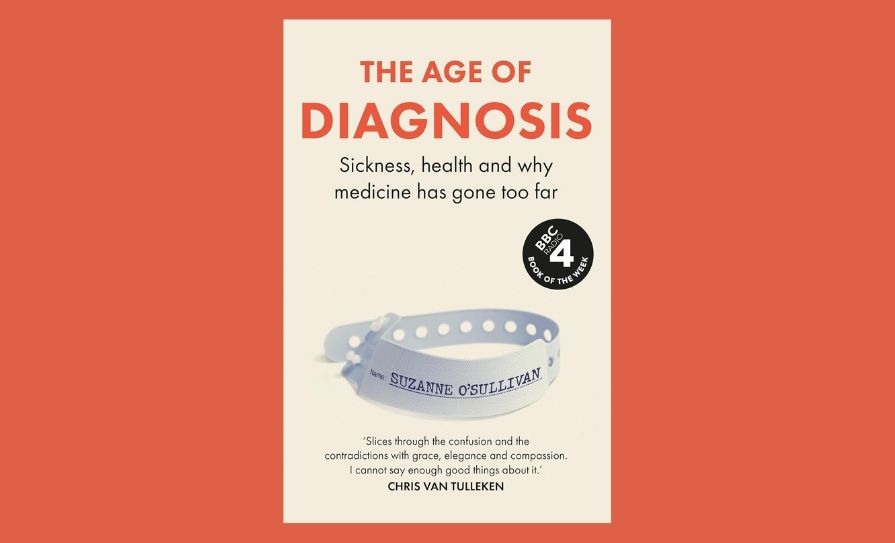
Title: The Age of Diagnosis: Sickness, health and why medicine has gone too far
Author: Dr Suzanne O’Sullivan
Publisher: Hodder Press
Reviewer: Prof Brendan Kelly
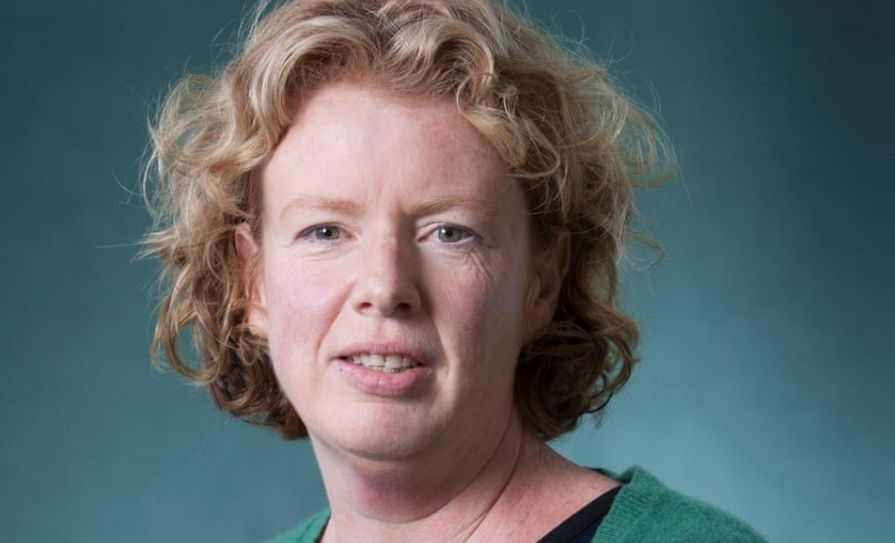
Dr Suzanne O’Sullivan’s The Age of Diagnosis is a compelling and timely meditation on the evolving landscape of suffering, illness, and the medical gaze. A neurologist and acclaimed writer, Dr O’Sullivan brings her signature blend of empathy, clinical insight, and narrative flair to bear on the cultural and personal implications of diagnosis in the 21st Century. Rather than focusing narrowly on clinical argumentation, the book uses a broader lens, exploring how diagnostic labels shape the way individuals see themselves, how society perceives them, and how healthcare systems organise care.
At its heart, The Age of Diagnosis is concerned with how the act of naming a condition – be it neurological, psychological, or otherwise – can both empower and constrain. In practice, diagnosis is not just a scientific or medical act, but a profoundly human one, loaded with meaning and social consequence. For many, a diagnosis offers validation, relief, and a framework for understanding previously inexplicable suffering. For others, it can lead to reductionism, stigma, or a sense of entrapment in a fixed identity. As a result, diagnosis is an act weighted with consequence.
At its heart, The Age of Diagnosis is concerned with how the act of naming a condition… can both empower and constrain
One of the strengths of this book lies in Dr O’Sullivan’s capacity to weave personal stories and clinical experiences into broader reflections on cultural shifts and developments in medical care. She illustrates how diagnostic practices have changed over time, using, for example, increased rates of diagnosis of autism to demonstrate key shifts in practices. Fifty years ago, autism was said to affect four in 10,000 people. Today, it is one in 100.
Diagnosis has always been a topic of conversation and controversy in medicine. Over recent decades, the internet and social media have further transformed the diagnostic landscape, giving patients unprecedented access to information and misinformation about various conditions. The result is a world in which individuals often arrive at clinics with strong preconceptions, sometimes even self-diagnoses. A complex interplay emerges between the patient’s narrative and the clinician’s expertise.
Dr O’Sullivan is deeply aware of all of these factors. There are emotional and existential dimensions to diagnosis which cannot be ignored. For some people, a label becomes a cornerstone of identity, shaping their interactions with the world and their expectations of themselves. In an era when chronic illness, invisible disabilities, and neurodiversity have rightly gained visibility and voice, the moment of diagnosis has never been more powerful – or more contested.
Some people find strength and solidarity in diagnosis, as well as treatment. However, tensions can arise when labels are overly relied upon or when they risk eclipsing the person behind the condition. This should be acknowledged and, when necessary, addressed.
One of the key messages for me from this book was the dynamic between uncertainty and certainty in modern medicine. Despite many technological advances, medicine remains an inexact science in many ways. The impulse to categorise every symptom or experience within a diagnostic framework can sometimes do more harm than good. It helps if clinicians and patients acknowledge this complexity and resist the rush to closure that diagnosis can appear to bring.
As ever, Dr O’Sullivan’s writing is lucid and thoughtful, marked by a compassion that avoids sentimentality. She is never polemical; instead, she guides the reader through delicate ethical terrain with a steady hand and open mind. She avoids simplistic binaries and instead invites a more integrative and humane view of illness and diagnosis. In doing so, The Age of Diagnosis aligns with a growing body of literature that seeks to rehumanise medicine in an era of increasing technological sophistication.
Ultimately, this is a book about meaning: How we make sense of suffering, how we communicate distress, and how we negotiate the boundaries of health and illness. For readers interested in medicine, psychology, sociology, or simply the human condition, The Age of Diagnosis offers a rich and reflective reading experience. It challenges assumptions without alienating. It raises important questions without presuming to have all the answers.
In an age when labels abound and certainty is prized, Dr O’Sullivan offers a quieter, more questioning voice – one that recognises the power of diagnosis, but also its limits. In the end, The Age of Diagnosis is a thought-provoking and compassionate exploration of what it means to be seen, heard, and understood in modern medicine. It is well worth a read.
Prof Brendan Kelly is Professor of Psychiatry at Trinity College Dublin and author of The Modern Psychiatrist’s Guide to Contemporary Practice: Discussion, Dissent, and Debate in Mental Health Care (Open access: www.taylorfrancis.com/books/oa-mono/10.4324/9781003378495/modern-psychiatrist-guide-contemporary-practice-brendan-kelly).








Leave a Reply
You must be logged in to post a comment.