







The Health Protection Surveillance Centre’s (HPSC’s) seroepidemiology unit (SEU) is under review amid funding and staffing pressures, the Medical Independent (MI) has learned.
Challenges facing the SEU, including “potential imminent risks” to operations due to resource constraints, were raised at the national serosurveillance programme (NSP) steering committee in March.
In response to questions from MI, the HSE stated the operation of the SEU is currently paused and is undergoing review. While this occurs, essential SEU work will continue within the HSE and with partners, according to a spokesperson.
In 2021, as part of the emergency public health response to the Covid-19 pandemic,
the Department of Health commissioned the HPSC to establish a new national serosurveillance function.
The NSP is managed by the SEU within the HPSC, which sits within the governance of the HSE National Health Protection Office (NHPO).
The work of the NSP is overseen by an external steering committee of interdisciplinary experts, including scientists, academics, clinicians, and public health specialists. Funding for the NSP is now incorporated into the NHPO’s overall budget.
The HSE spokesperson told MI that the end of the pandemic, as well as the recent public health reform programme and the creation of the six health regions, “necessitates a review and adjustment of SEU priorities to align with the broader objectives and work plans” within the Executive’s national health protection function.
The spokesperson said that following a review of staffing levels and funding across the HSE, the NHPO has been allocated a specific number of posts and other resources with which it has to “deliver all of its many functions”.
“Taken together with specific challenges including statutory leave requirements for key staff, this all requires a thoughtful pause and review of the work of the SEU, with a need to consider priorities and redraft a work programme for the financial year 2026,” according to
the spokesperson.
“Developing our future plans is centred primarily on health protection priorities and [aims] to make best use of the resources provided, both in terms of our expert workforce and other
resources required to deliver our work.”
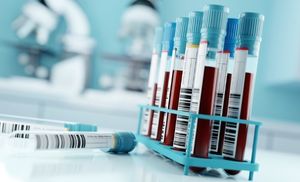
Serosurveillance involves the testing of blood samples for the presence of antibodies against a particular disease, due to past infection or vaccination, in the general population.
At the time of the pause, the NSP monitored the seroepidemiology of Covid-19 and measles. Serosurveillance data complemented other public health information such as notifications, hospitalisations, immunisations, and information on deaths, according to the HPSC website.
Once a disease had been identified for serosurveillance, participating laboratories identified and retrieved blood samples in line with the sampling requirements specified by the SEU. All samples used for surveillance were ‘residual’ and had already been tested as part of medical care in GP surgeries and would otherwise have been discarded.
The laboratories extracted portions of the samples, known as aliquots, and arranged for them to be sent securely to the National Virus Reference Laboratory (NVRL) for testing. The NVRL analysed and interpreted the data before sending findings to the SEU. The SEU then prepared and published reports on the HPSC website that communicated results to policymakers and members of the public.










Leave a Reply
You must be logged in to post a comment.