







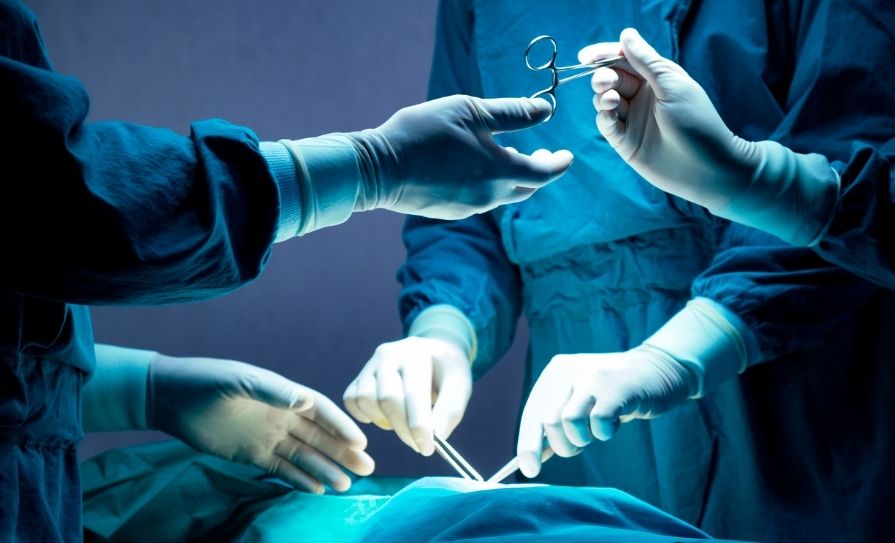
Prof Michael Eamon Kelly speaks with Pat Kelly about his new appointment as Professor of Surgery at St James’s Hospital and his quest to eliminate the need for patients to travel abroad for cancer surgery
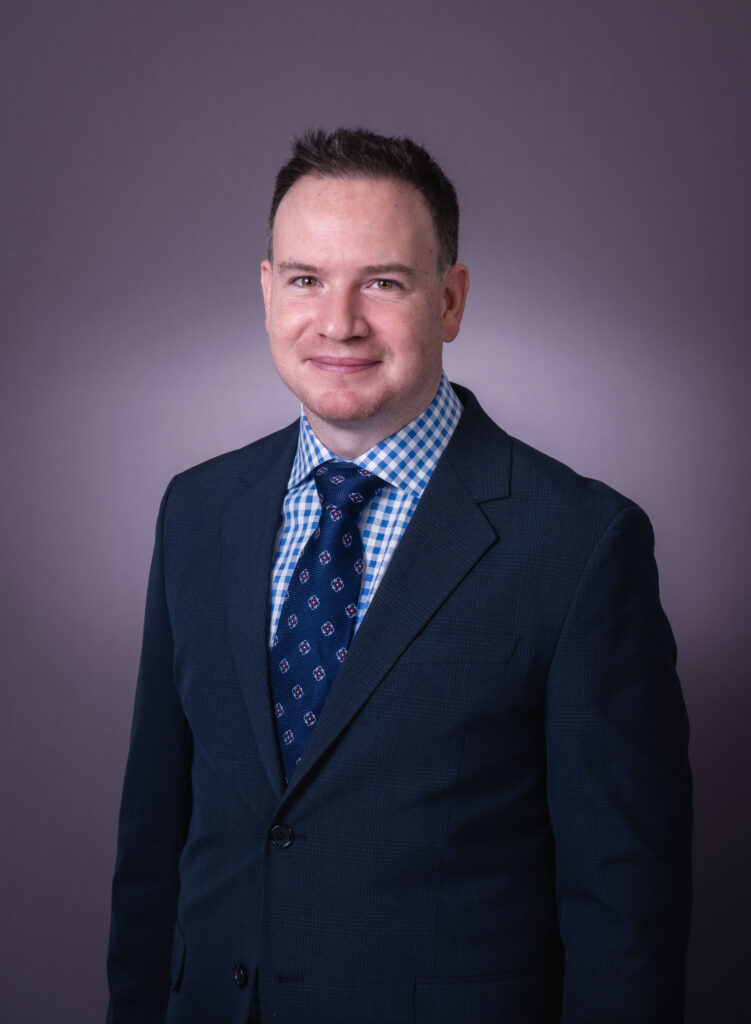
In early October, St James’s Hospital in Dublin announced the appointment of Prof Michael Eamon Kelly as its new Professor of Surgery. Prof Kelly is also joining the Department of Surgery at the Trinity St James’s Cancer Institute (TSJCI), where he will spearhead initiatives in pelvic cancer and colorectal and general surgery for the benefit of patients and hospital services.
TSJCI is Ireland’s only accredited comprehensive cancer centre (see panel, p12) and, according to the Institute, the appointment is a milestone in the advancement of cancer services at the facility. Prof Kelly said his vision is to establish a collaborative surgical oncology unit that unites experts across disciplines to provide integrated, patient-centred care, from diagnosis through to recovery, with a focus on restoring and improving quality-of-life.
One of the core objectives of Prof Kelly’s work is a desire to expand what is currently possible in surgical oncology in Ireland, particularly in treating patients with complex cases of advanced rectal, gynaecological, and pelvic cancers. Historically, many of these patients were referred to centres abroad, but his initiative and appointment reflects TSJCI’s commitment to building local expertise and reducing the need for patients to seek treatment in other jurisdictions.
Prof Kelly is a graduate of Trinity College Dublin (TCD) and completed his surgical training throughout different locations in Ireland before earning a PhD from University College Dublin in 2022. He later completed an advanced Fellowship in pelvic oncology at the Peter MacCallum Cancer Centre in Victoria, Australia. On returning to Ireland, Prof Kelly was named one of the inaugural awardees of the Joly Cancer Leadership Programme for his work with the TSJCI. He also delivered the prestigious Millin Lecture at the RCSI and is the co-founder of PelvEx Collaborative, a major international collaboration focused on outcomes in the management of advanced pelvic cancer, which involves representatives from nearly 200 centres across 53 countries and six continents.
Prof Kelly represents Ireland on the European Society of Surgical Oncology and serves on key committees for the European Society of Coloproctology. He also sits on the editorial boards of the medical journals Colorectal Disease, BJS Open, and Cancers.
Prof Kelly’s work in the field of colorectal surgery has helped position Ireland as a leader in major collaborative studies and he has more than 300 peer-reviewed publications to his credit.
Teamwork
Speaking with the Medical Independent (MI), Prof Kelly emphasised the importance of teamwork in patient care. He said he is “honoured” to work alongside such dedicated specialists across colorectal, gynae-oncology, urology, plastics, and radiology specialties, in addition to the vital teams in ICU, critical care, histopathology, nursing, stoma care, pain management, physiotherapy, and vascular surgery.
“A lot of great work has already been done by the people in the Cancer Institute, from their application to the OECI [Organisation of European Cancer Institutes], to their more recent upgrade to a comprehensive cancer centre,” said Prof Kelly. “It’s a testament to the work they have done already, and my appointment coincides with that work.”
Prof Kelly explained that much of his early career was spent in research and this developed into a PhD, which was awarded when he returned from the world-renowned Peter MacCallum Cancer Centre in Australia. He described how he came to focus on his current specialty: “As you go through training, you get exposure to different sub-specialties,” he said. “Early on, I was influenced by some of the people I met who were my mentors in advanced rectal cancer. Myself and Prof Des Winter [Consultant Surgeon at St Vincent’s University Hospital, Dublin] developed an international consortium of advanced pelvic units across the world, which started in 2015.
“We quickly built it up over the next three or four years, to the point where it was truly international, with representation across six continents,” he continued. “That really got me into advanced pelvic cancer, and then I focused on my research training and came back to Ireland to deliver that type of cancer care.”
Prof Kelly said: “The era of it being about just one surgeon is long gone,” he told MI. “Teamwork and collaborative work optimises the best outcomes for patients, and that’s not just about the surgeons and the doctors – prior to a patient going for a surgical operation, it’s about optimising their chemotherapy, optimising their radiotherapy if appropriate, but also optimising their health in terms of prehabilitation with physiotherapy, optimising all of the allied health professionals’ care and getting them involved early. And then throughout that journey, when they come to surgery and then out the other side, the importance of having all of those disciplines involved in the survivorship aspect of things is vital.
Teamwork and collaborative work optimises the best outcomes for patients, and that’s not just about the surgeons and the doctors
“My modus operandi has always been, collaboration is best,” he emphasised. “It’s best for the patients, best for patient outcomes, and it also creates a very good working environment where everyone is together, rowing in the same direction – not only for the patient, but also in supporting each other.”
Ethos
However, as with any worthwhile initiative, there are inevitable challenges. “There are the same challenges any time you get a large group of people together to work collaboratively,” said Prof Kelly. “It just comes down to everybody having the right ethos, and their goals being aligned, as well as good communication. That’s why working in a comprehensive cancer centre needs all the people involved, not just from the operative side, but also in research, quality-of-life, survivorship – the whole patient [journey].”
On that topic, there are particular quality-of-life challenges when it comes to caring for patients with advanced rectal, gynaecological, and pelvic cancers, Prof Kelly pointed out. “We are putting the patient through the full array of interventions – they may be having very complex chemo-radiotherapy and that can have a huge impact on these patients’ quality-of-life.” Stomas, sexual dysfunction, and indirect financial implications, as well as other challenges, are typical of the issues for which these patients require expert care, he explained.
“The impact on their families and their lives can also be significant,” said Prof Kelly. “That’s why at St James’s Hospital we have also developed a young-onset cancer centre for the people who develop a cancer when they are under the age of 50, to help support them with these indirect consequences. It’s not just about extending life, but also about improving the quality-of-life after cancer.”
There is always room for improvement, but Prof Kelly stressed the current high quality of cancer care in Ireland. “The standard of care is excellent – the majority of the people who deliver cancer care in Ireland have gone abroad and trained,” he explained. “We have challenges in terms of diagnostics and access to care at times, and that can be improved upon. But the care itself that we deliver is excellent and holds up against international standards, as evidenced by our published results.
“As always, we need to strive to improve and how we improve is to collaborate with other international centres. We benchmark ourselves against other international centres to make sure we keep up and that benchmarking is key.”
Research
Prof Kelly returned to the crucial matter of collaboration, and the patients themselves have a role to play: “As we develop as a cancer centre, every patient should be offered the opportunity to be involved in research,” he told MI. “Not all of this research will be clinical – it could be quality-of-life improvement research, but there will also be research related to clinical trials, and that’s very important. The OECI accreditation of the Trinity St James’s Cancer Institute is about getting more patients recruited to clinical trials, and that’s something we can do better in Ireland, and that’s across all hospitals and networks. It is key to those centres to have more randomised controlled trials and clinical research for our patients.”
To achieve this, collaboration is again key. “We can do this through better networking, by getting involved with OECI and getting accredited as comprehensive cancer centres, and also through organisations like Cancer Trials Ireland, who sponsor a lot of trials,” explained Prof Kelly. As an example, he cited Nordic countries such as Sweden and Denmark, which have excellent collaborative networks.
This will lay the groundwork for the next generation of scientists and clinicians to help improve outcomes through collaborative care, he concluded.
Commenting on Prof Kelly’s appointment, St James’s Hospital CEO Ms Mary Day, said: “Welcoming Michael to the role of Professor of Surgery is a proud moment for us at St James’s Hospital. His vision for collaborative, patient-focused cancer care is exactly what we need as we expand our services at our comprehensive cancer centre and move forward with our aspirations to establish Ireland’s first Academic Health Science Centre on the campus at St James’s Hospital.”
Prof Colin Doherty, Head of the School of Medicine, TCD, added: “This is an excellent appointment, and I am very much looking forward to working with Michael. Teamwork is key in such roles and I know that he will be focusing on ensuring education, research, technology, and most importantly, the patient is at the centre of what we do.”
Trinity St James’s Cancer Institute first cancer centre on the island of Ireland to receive OECI comprehensive status
Earlier this year, the Trinity St James’s Cancer Institute (TSJCI) became the first and only cancer centre in Ireland to be accredited with comprehensive status. According to TSJCI, the award from the Organisation of European Cancer Institutes (OECI) was the culmination of almost a decade’s work at Ireland’s largest hospital, St James’s Hospital, and Trinity College Dublin.
OECI accreditation signifies that a cancer centre has met or exceeded robust standards in cancer care, research, and education as determined by the OECI accreditation board.
This process involves a self-assessment and on-site peer review audit ensuring ongoing quality assurance. Specific designation of a cancer centre as comprehensive requires that it meets a particularly high standard in the integration of science, translational research, and clinical trials into the multidisciplinary care of patients.
TSJCI was the first cancer centre in Ireland to be accredited by the OECI in 2019.
Its status as Ireland’s first accredited comprehensive cancer centre was confirmed by the OECI accreditation and designation board at the end of May 2025.
Minister for Health Jennifer Carroll MacNeill said: “I am really proud to celebrate the Trinity St James’s Cancer Institute’s remarkable achievement in becoming Ireland’s first and only accredited comprehensive cancer centre. This prestigious recognition, by the Organisation of European Cancer Institutes, is a testament to the dedication and excellence of the teams at St James’s Hospital and Trinity College Dublin.
“Cancer centres provide unparalleled benefits to patients, ensuring they receive the highest standard of care, improved outcomes, and a more positive treatment experience. Comprehensive cancer centres like TSJCI bring an additional focus on research and training, which can expand the treatment options available for patients now and into the future. This milestone marks a significant advancement in cancer care for Ireland and I look forward to seeing the continued impact of this institution on patient lives.”
Speaking about the award, Prof John Kennedy, Medical Director, TSJCI, said: “Achieving the status of an internationally designated and recognised comprehensive cancer centre is the result of years of work by dedicated and committed staff providing the highest standards of clinical care in an environment focused on research, education, and continuous improvement. Patients can be confident that the care they receive in such an institution has been evaluated by international experts and found to be of the highest quality.”
Prof Maeve Lowery, Academic Director, TSJCI, stated: “Designation as a [comprehensive cancer centre] by OECI demonstrates that our achievements in cancer research, education, and patient care are equal to the top centres in Europe. We can build on this framework to drive forward innovation in cancer research and translate new findings into improvements in patient-centred cancer care.” The OECI accreditation process recognised the difficulties that cancer centres often have in relation to organising supportive care, palliative care, and survivorship for patients. However, the OECI highlighted that all of these elements are not only implemented, but are at the centre of patient care in TSJCI.





Leave a Reply
You must be logged in to post a comment.