







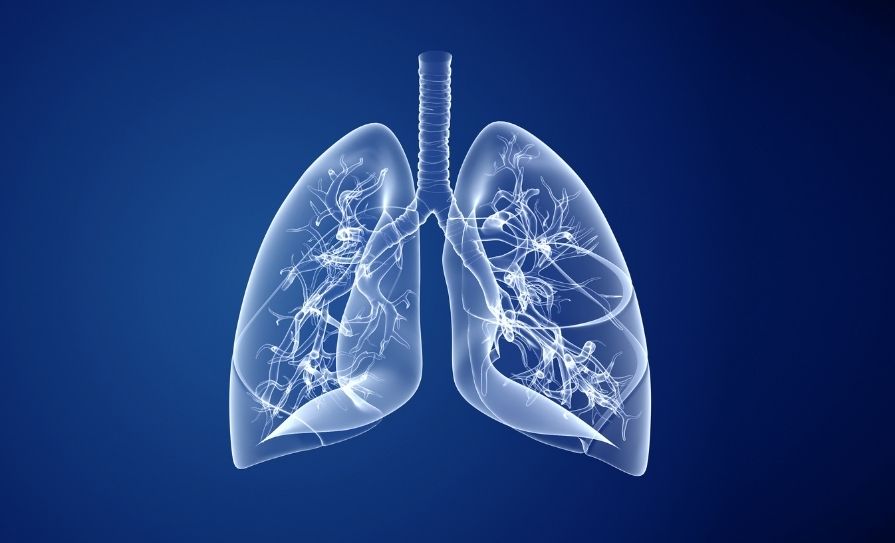
St Vincent’s University Hospital was recently named Europe’s best-performing rare lung disease centre.
Paul Mulholland talks to Prof Cormac McCarthy about what the accolade means for Irish patients
Earlier this year, St Vincent’s University Hospital (SVUH), Dublin, was named Europe’s top-performing centre for rare lung disease.
The SVUH centre – which is led by Prof Cormac McCarthy, Consultant Respiratory Physician and Associate Professor, University College Dublin (UCD) – was assessed as the head of the Irish consortium for rare lung disease.

The consortium includes the Mater Misericordiae University Hospital (led by Prof Sean Gaine, Consultant Respiratory Physician), and Beaumont Hospital (led by Prof Gerry McElvaney, Consultant Respiratory Physician), both in Dublin.
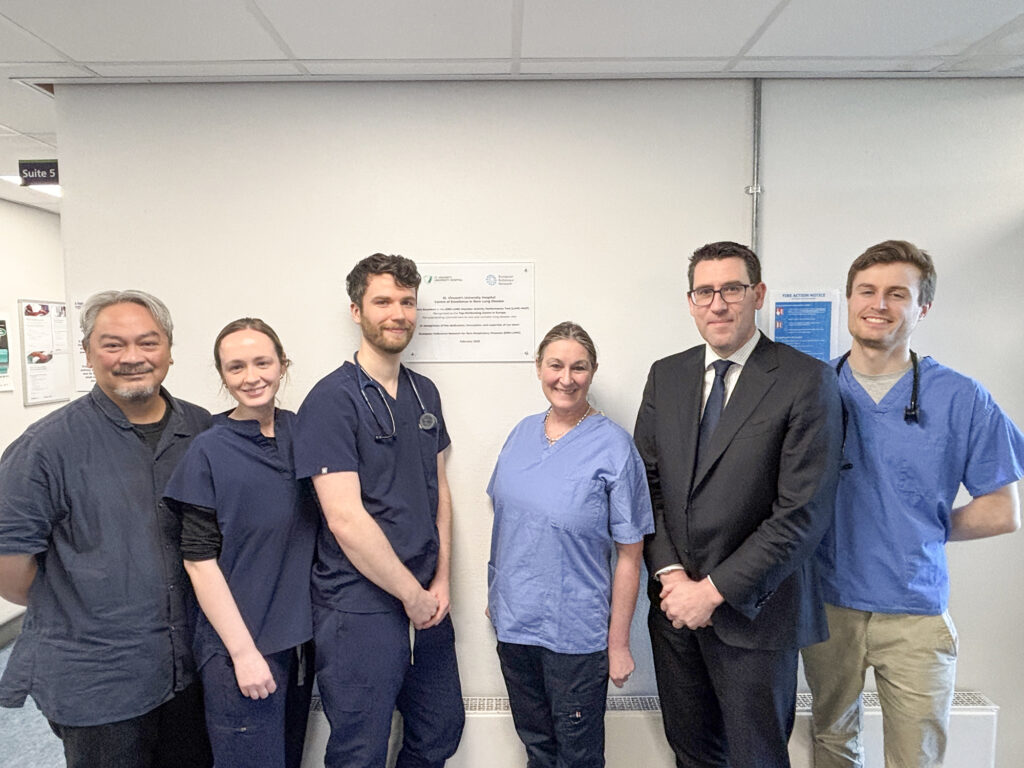
In February, it was revealed SVUH had been awarded an ‘Excellent’ rating in the prestigious European Reference Network for Rare Respiratory Diseases (ERN-LUNG) survey and achieved a higher grade than any other centre in the network.
ERNs, a flagship initiative of the European Union, are designed to connect the best medical expertise across the continent. ERN-LUNG is a network of 88 centres committed to reducing morbidity and mortality from rare lung diseases. SVUH was designated an ERN-LUNG centre in 2022.
The network has developed a member activity performance tool – LUNG-MAP – to continually assess healthcare providers across seven key categories relating to rare lung disease.
The categories comprise: Network activities; academy; clinical patient management system; registry; publications; clinical trial network; and patient-related outcomes.
As head of the Irish consortium, SVUH excelled in all seven categories in the latest assessment, which led to it receiving the accolade of best-performing centre.
Speaking to the Medical Independent (MI), Prof McCarthy said the award was a “testament to the work put in by lots of people to make this happen across lots of different areas”.
Prof McCarthy added that it shows Irish patients are receiving some of the best treatment in Europe for rare lung diseases.
He pointed out the hospital’s participation with ERN-LUNG enables it to engage in pioneering research, and shape the future of diagnosis and treatment, ultimately improving outcomes for patients.
ERN-LUNG allows SVUH to access a secure IT platform where complex cases can be discussed by expert panels across different centres. This facilitates faster, more accurate diagnoses and ensures patients receive the most advanced treatments available, without the need to travel abroad.
“It’s two-way traffic,” Prof McCarthy told MI.
“We can refer patients within this network, or we can ask for opinions, and other people can ask us for opinions. So there is that standing now that we have expert care in Ireland that is as good as anywhere else in the rest of Europe. That is encouraging to our patients. Where previously people would have sought to go abroad, that isn’t necessary anymore. Through these networks, we can give them as good care as anywhere in the world, and have access to other experts if we don’t have that exact specific disease covered.”
So there is that standing now that we have expert care in Ireland that is as good as anywhere else in the rest of Europe
Education and research
A key factor in SVUH securing the top spot in the survey was its performance in education and clinical research.
Prof McCarthy said one of the areas in which SVUH ranked very highly was the ERN lung academy, which is dedicated to training international trainees in rare diseases.
“And we ranked the highest in that in terms of both taking people from across Europe and hosting them here for training, as well as contributing to an educational programme. And then sending our trainees to other centres to get further training.”
In addition to its training credentials, SVUH has built a reputation in relation to clinical trials. The centre has participated in studies across multiple rare lung conditions – including cystic fibrosis (CF) – helping to accelerate the development of new therapies.
It links in with the rare disease clinical trial network, hosted by UCD and funded by the Health Research Board, which has been established at a national level. According to Prof McCarthy, who co-leads the network with Prof Rachel Crowley, this infrastructure is essential for offering patients access to experimental treatments and driving improvements in care.
He noted Ireland’s long-standing contribution to breakthroughs in rare lung disease research, highlighting how clinical trials have transformed CF care over the past decade, thanks to the dedication of Irish researchers and patients alike.
Cystic fibrosis
CF is considered a rare disease, defined as affecting fewer than one-in-2,000 people. While this holds true internationally, Ireland is an exception, with approximately 1,400 children and adults in Ireland living with the condition – the highest per capita rate in the world.
Ireland’s high prevalence has put it at the forefront of CF research and care. Centres such as St Vincent’s, Beaumont Hospital, Cork University Hospital, and Children’s Health Ireland have played pivotal roles in advancing understanding of the disease and developing transformative therapies, such as CFTR [cystic fibrosis transmembrane conductance regulator] modulators.
“Ireland has been one of the leaders for many years in cystic fibrosis,” according to Prof McCarthy.
“Irish researchers… have contributed massively to the publications and to informing international understanding of this disease.”
Challenges
Prof McCarthy said patients with rare lung diseases can wait between two and seven years for a diagnosis, although there are exceptions such as CF, which can be detected through neonatal screening.
The delays are due to a combination of factors. One is accessing specialists familiar with recognising and investigating these uncommon diseases.
“You need expert clinicians who are used to considering these conditions – and who have the time to do so,” he said.
Another barrier is diagnostics. Tests involving imaging, pathology, blood-based biomarkers or genetic analysis may be required, but many of these still have to be sent abroad. Knowledge of what tests exist and where they can be accessed is itself a challenge, he noted, underscoring the importance of clinical networks that can help navigate
this complexity.
Without timely and accurate diagnosis, patients risk being misdiagnosed or not availing of new treatment options.
“These are fast-moving areas,” he said. “The sooner we can make the right diagnosis, the sooner we can potentially offer personalised or targeted therapies.”
Pulmonary alveolar proteinosis
Prof McCarthy gave the example of pulmonary alveolar proteinosis (PAP) as a condition which is benefiting from recent diagnostic and therapeutic advancement.
Affecting around seven people per million, about 90 per cent of cases of PAP are autoimmune in nature, caused by antibodies against a molecule called granulocyte-macrophage colony-stimulating factor (GM-CSF).
“What’s revolutionary in the last 10 years is now you don’t necessarily need to get a biopsy,” he said.
“You can diagnose it with a blood test alone. If you come with a particular presentation, certain symptoms, and a CT scan that’s consistent with it, this antibody can be checked for in the blood… which means you don’t need to do a biopsy or another invasive procedure. And that can accelerate the diagnosis. You get it much quicker – you don’t have to wait, and you can be sure of it.”
Prof McCarthy pointed out, however, the test is only available in five laboratories in the world: Two in the US; two in Japan; and one in China. This means getting the test performed can be a logistical challenge.
“If you can overcome that, which we do… we can diagnose these patients, and get them on treatment with successful outcomes.”
Prof McCarthy explained how improved diagnostics have opened the door to more targeted treatments. Several clinical trials have explored inhaled GM-CSF therapy as a non-invasive alternative to whole lung lavage, a traditional but taxing procedure involving the flushing of 30 to 50 litres of saline into each lung under general anaesthetic.
Ireland was a site for the latest and largest phase of the GM-CSF inhalation trial, with SVUH recruiting multiple patients. He revealed the initial results appear highly encouraging.
“[GM-CSF therapy] improves their oxygenation,” Prof McCarthy explained. “It brings their lung function back to normal, and it works really well.”
This, he noted, is a strong example of how advances in precision diagnostics can lead to more effective care.
Lymphangioleiomyomatosis
Lymphangioleiomyomatosis (LAM) is a rare disease, which primarily affects women in their reproductive years. LAM leads to the development of cysts in the lungs. The disease can be sporadic (S-LAM) or associated with the neurological condition tuberous sclerosis complex (TSC-LAM). Patients with LAM experience shortness of breath, cough, pneumothorax, and chylothorax. They can also develop renal angioleiomyomas (AML) and leiomyomas, which are non-cancerous growths on the kidneys and in the uterus.
Without effective management, a person with LAM may ultimately require a lung transplant.
The most common presenting symptom is dyspnoea, which can be mistaken for more common diagnoses like asthma or chronic obstructive pulmonary disease.
“Some of these cases can go unnoticed or delayed because they are subtle to begin with, or they are not picked up or not identified,” said Prof McCarthy.
Previous estimates suggested an incidence of between three and seven per million women. But a recent study led by SVUH and partners within the ERN-LUNG network, published in the American Journal of Respiratory and Critical Care Medicine, revealed the true figure is likely to be much higher.
“We published a paper at the beginning of last year based on our Irish experience and that of some of our European collaborators in this network in other small countries, where we were able to capture almost all of the cases in those countries, to prove this was actually probably between 20 and 25 cases per million women. It was about five times more common than we predicted.”
While still classified as a rare disease, LAM is now recognised as underdiagnosed – a gap that improved awareness and better diagnostics are helping to close. SVUH has led the way in implementing new diagnostic tools, including a specific blood test now available, which in many cases can spare patients the need for invasive biopsies. To achieve a diagnosis of LAM, patients need to have a CT thorax showing typical cysts plus a history of TSC, evidence of AML or leiomyomas, a chylothorax or a vascular endothelial growth factor-D (VEGF-D) level of >800pg/ml.
“Some patients may need a biopsy, but 70 per cent can be diagnosed off imaging… as well as a blood test that we have access to in Vincent’s now and are able to test for.”
Like PAP, LAM is not only more detectable, but more treatable.
“We have a drug that slows the decline of lung function,” said Prof McCarthy.
“So instead of patients rapidly progressing, needing oxygen, needing to get assessed for a lung transplant, we have effective treatment that’s taken by mouth, and it can slow this right down.”
The benefits of having rare disease centres like SVUH for such conditions are clear, according to Prof McCarthy.
“Having coordinated, expert centres that are focused on some specific diseases like this, we can access therapy earlier, we can diagnose patients quicker… then we can maybe delay the loss of lung function and significant morbidity.”
In relation to LAM, he said “we have been able to not only identify individual patients but… to show to international standards that this condition is a lot more common [than previously believed], raising awareness of it internationally, as well as locally.”
Resources
While Ireland’s rare lung disease centres have achieved international recognition, much of the work underpinning this success has been carried out without dedicated funding or formal resourcing.
A lot of the progress to date has relied on the goodwill and voluntary efforts of clinicians, nurses, allied health professionals, and administrative staff working beyond their formal duties.
Collecting and submitting data to ERN-LUNG – including how many patients are being treated, how complex their needs are, and the level of clinical activity – is essential to maintaining the centre’s status.
“In reality, a lot of this extra work that people do in these rare diseases… is supplementary to the other work that they are expected to do,” according to Prof McCarthy.
“They do it because they have a passion for it… because they want to improve patient care…. It’s putting in that extra data, contributing that extra work… and it’s not just me – it’s all clinicians, nursing staff, and administrative staff trying to put this together.”
Prof McCarthy is a member of the national rare disease steering group, which was established in December 2023, to develop a new strategy for the area. It is understood the strategy is due to be published imminently.
Funding of €1.5 million has been provided for rare diseases in Budget 2025 with an additional €5 million provided to support the implementation of the strategy.
Prof McCarthy welcomed the promise of additional financial support, which would include funding for rare lung diseases.
A key priority is dedicated resources for data management and information technology systems to track rare disease activity across sites.
“Getting better infrastructural data support, both from a staffing perspective… and also the information technology systems to be able to capture that… is something I believe is coming down the line with extra funding, which would be highly welcome.”
Future
The Irish ERN-LUNG consortium currently cares for approximately 3,000 patients with rare lung diseases – though this is likely an underestimate due to limited data systems. St Vincent’s alone manages more than 1,500 patients.
Looking ahead, the next priority for the consortium is building a clearer picture of the true burden of these conditions. Prof McCarthy pointed to the National Cystic Fibrosis Registry, established in 2001, in helping improve the quality-of-life for people with CF through the provision of high-quality information.
“If we can have better data systems, then we can further understand what actually is needed,” said Prof McCarthy.
“We cover many different rare lung diseases,” he noted, “and this will help us see where the greatest future need lies.”
With new funding on the horizon, there is cause for optimism. Prof McCarthy said greater support for data infrastructure “will allow us to be better informed in how we plan going forward”.
Profile: Prof Cormac McCarthy
Prof Cormac McCarthy is a clinician scientist with a specific interest in the pathogenesis of rare lung diseases and interstitial lung disease.
He has conducted research on the molecular pathogenesis of lung disease, specifically in glycobiology of plasma proteins, cholesterol homeostasis in macrophages, and lipidomics in the lung.
His translational research has contributed to the understanding of the pathogenesis of pulmonary alveolar proteinosis, development of novel therapeutic targets, and described the epidemiology of this syndrome. Additionally, Prof McCarthy’s research has highlighted the use of appropriate diagnostic tests for these rare diseases and investigated the use of novel radiological analyses to monitor disease progression.
He has investigated the role of macrophage cholesterol homeostasis in the pathogenesis of PAP, identifying novel therapeutic targets for this rare disease, including repurposing statin and pioglitazone therapy. Prof McCarthy’s clinical research focus is currently in the field of diffuse cystic lung diseases, including lymphangioleiomyomatosis.










Leave a Reply
You must be logged in to post a comment.