








The next national obesity plan will be published against a background of major clinical and diagnostic developments. David Lynch reports
Last month, the Minister for Public Health, Wellbeing and the National Drugs Strategy, Jennifer Murnane O’Connor, launched a public consultation process to inform the development of Ireland’s next national obesity strategy.
“Obesity is one of the most pressing public health challenges facing Ireland today, with over half of our adult population affected by overweight or obesity,” said Minister Murnane O’Connor.
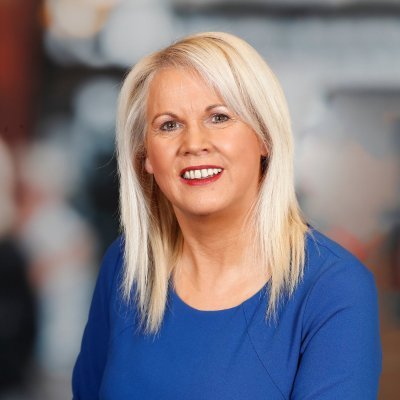
“This is not just a personal health issue. It’s a national concern that impacts our healthcare system, our communities, and our future.”
According to the Department of Health, the upcoming strategy will replace the current policy – A Healthy Weight for Ireland: Obesity Policy and Action Plan 2016–2025 (OPAP) – and address “new and emerging” challenges.
Some 60 per cent of adults and one in five children in Ireland are living with overweight or obesity.
According to the Minister, Ireland has made “important progress in stabilising obesity rates and implementing key actions” as a result of the current strategy.
However, she added, “now we must go further.”
When outlining the “achievements” of the OPAP, the Department highlighted initiatives such as the publication of healthy eating guidelines tailored for young children and older adults, the introduction of the sugar-sweetened drinks tax in 2018, and the development of the HSE’s model of care for the management of overweight and obesity.
Yet despite these measures, the HSE acknowledges that Ireland continues to record some of the highest obesity rates in Europe. The condition places a significant burden on the health system and is closely linked to chronic illnesses including type 2 diabetes, cardiovascular and respiratory disease, several cancers, persistent pain, and musculoskeletal disorders.
Bariatric surgery
In recent years, advances in obesity care have included both pharmaceutical options (see panel p5) and surgical interventions.
As part of its model of care, the HSE has incorporated bariatric surgery as a key component in the management of severe and complex obesity.
The Medical Independent (MI) has previously reported that the number of surgeries in public hospitals in Ireland has increased in recent years. However, most experts say the level remains too low.
In new figures provided to MI, the HSE said that 175 bariatric surgeries were delivered by model 4 hospitals nationally in 2024.
Of this total, 118 surgeries took place in St Vincent’s University Hospital (SVUH), Dublin, while a further 57 surgeries were delivered by Galway University Hospitals (GUH).
This year, 128 bariatric surgeries were delivered by model 4 hospitals nationally up until the end of July – 77 surgeries in SVUH, and 51 in GUH.
An Executive spokesperson said the HSE National Clinical Programme for Obesity continues to advocate for funding to fully implement the obesity model of care. A full implementation of the model would result in three bariatric surgery services nationally at model 4 sites. Each would deliver a minimum of 200 surgeries per annum.
The HSE is working towards achieving this target over the next three years, added the spokesperson.
General practice
General practice is regarded as crucial in meeting the national challenges of obesity. Whether or not obesity should be included in the chronic disease management (CDM) programme in general practice is a matter of ongoing debate and discussion (see top panel p6).
According to the HSE, there “are multiple drivers” that influence obesity including genetic, environmental, and socio-economic factors.
The final factor is one keenly felt by members of Deep End Ireland, an organisation of GPs working in some of the most disadvantaged communities in the country.
Dr Edel McGinnity, GP in Mulhuddart, Dublin, told MI that obesity is “very much a disease of poverty”, adding that the cheapest food available in shops is often the most obesogenic.
“There is a lack of headspace for people to do exercise and general self-care because many of our patients are so busy getting through the day,” Dr McGinnity explained.
For some patients, joint replacement surgery is needed, but this option is often denied when orthopaedic teams refuse to operate on those above a certain body mass index.
As a result, she added, some patients are left relying on “vast amounts of painkillers” when they cannot access the surgery they need.
Dr Catherine Clifford, GP in Fermoy, Co Cork, said addressing obesity requires “societal change”, which enables a healthy diet and exercise for the entire population.
“Sports club membership can be prohibitively expensive and it is difficult to adjust fees according to financial status from a club administration perspective,” Dr Clifford told MI.
“A nationwide scheme where a medical card improves access to sport through entitling someone to reduced fees would be helpful.”
Dr Vivienne Wallace, GP in Coolock, Dublin, pointed to the example of the City of Edinburgh Council in Scotland, which gives reduced rate access to families of children under one year of age to soft play centres and gyms.
“It’s a great idea to get people started on a healthy track. And it’s also for everyone which I think makes it very inclusive.”
Black market
Earlier this year, the Health Products Regulatory Authority (HPRA) reported an upward trend in detentions of illegally traded GLP-1 products. Over 10,000 unauthorised GLP-1 ‘patches’ were among items detained in ongoing enforcement action by the HPRA between January and June this year.
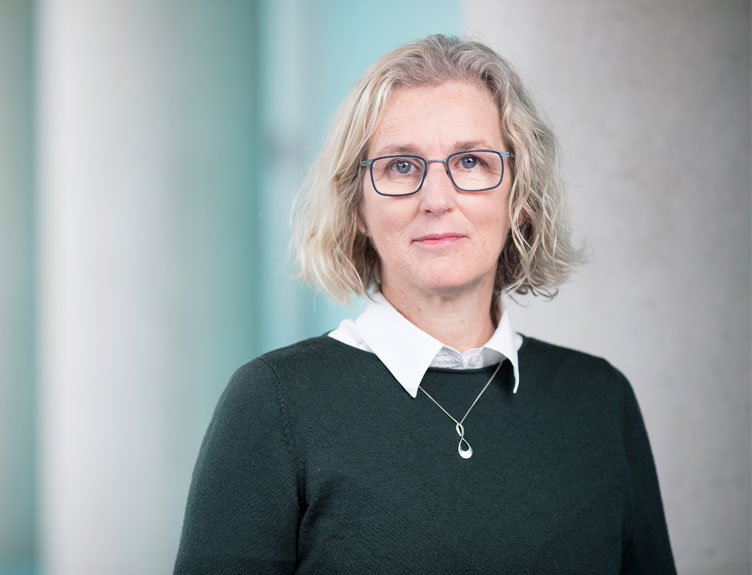
“There has been a notable increase in the prevalence of unauthorised GLP-1 products claiming to contain semaglutide, liraglutide, or tirzepatide,” Ms Gráinne Power, Director of Compliance at the HPRA, said earlier this month.
These include unauthorised tablets, pens and vials as well as transdermal patches.
This trend in the market for unauthorised weight loss drugs is evident at practices on the ground.
Dr Niamh O’Brien, GP in Galway, told MI that black market GLP-1 sales are “very common”.
She added that obesity is a “growing and hugely prevalent issue”, which “needs to be” included under the CDM programme.
Dr O’Brien described the “dreadful dichotomy” that she has in her practice population between the “small minority” who can afford GLP-1 agonists and the majority who cannot.
Dr Anna Beug, GP in the Coombe, Dublin, also highlighted the “huge issue” of black market GLP-1, with people “spending money that they don’t have” on such medication.
“Regarding funding for GLP-1 agonists, I think the criteria certainly need to be reviewed,” she said.
“But I think given the massive potential cost to the State, a balance needs to be struck between investing in prevention and treatment.”
Dr Beug added that childhood obesity is a major problem and the area where most resources should go. She also emphasised that obesity is an issue strongly linked to poverty.
Stigma
Prof Susan Smith, GP and Professor of General Practice, Trinity College Dublin, told MI that obesity continues to be framed in terms of “blame and personal responsibility” rather than through the lens of wider structural determinants.
The next strategy requires a “stronger focus on healthcare professional education” in obesity care and weight bias, according to Dr Gráinne O’Donoghue (PhD), Associate Professor at the School of Public Health, Physiotherapy and Sports Science, University College Dublin (UCD).
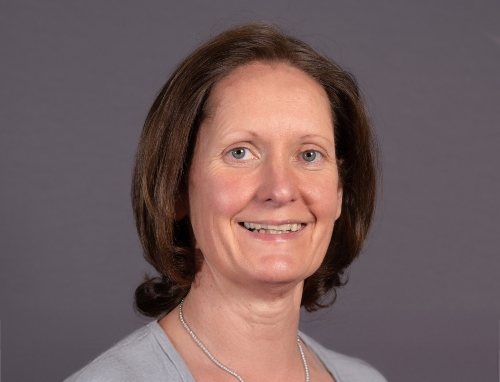
Dr O’Donoghue told MI that people living with obesity often encounter stigma and discrimination within the health system.
This can reduce their quality of care, damage trust in professionals and discourage them from engaging with health services.
“At present, many Irish health professionals report feeling unprepared to raise weight issues with patients,” Dr O’Donoghue explained. “They are often unsure about the most appropriate language to use, lack confidence in their knowledge of treatment pathways, and worry that raising the topic could harm the patient relationship or negatively affect mental health. This results in missed opportunities for early support and intervention.”
To address this, the next national plan should commit to embedding obesity education into medical, nursing, and allied health curricula, ensuring that new graduates are trained to recognise obesity as a complex, chronic condition rather than an individual failing.
For the existing workforce, regular continuing professional development should focus on evidence-based care, practical communication skills, and strategies to reduce weight bias, according to Dr O’Donoghue.
Training should also highlight the psychological impact of stigma and equip professionals to discuss weight in a supportive, person-centred, way.
“By prioritising professional education and tackling weight stigma, Ireland can build a healthcare workforce that is confident, compassionate, and better able to support patients living with obesity. This would not only improve individual outcomes, but also strengthen trust in the health system as a whole.”
The future of weight loss medication
In January, the Medical Independent (MI) reported that expertise in new weight loss medication would be required during the formation of the next national obesity policy.
Minutes from meetings of the obesity policy implementation oversight group in 2024 noted the need for input from the HSE “pharmacology unit” regarding the next plan.
This was “due to the rise of Ozempic [semaglutide] and other obesity drugs in recent years”.
A Department of Health spokesperson told MI that “the next OPAP [obesity policy and action
plan] will reflect the many changes that have taken place since 2016 in relation to health promotion, disease prevention, and the management and treatment of obesity.”
Speaking at the IMO AGM in April, Prof Michael Barry, Clinical Director of the National Centre for
Pharmacoeconomics and member of the HSE drugs group, warned that Ireland could experience a significant rise in medicines expenditure if a decision was taken to fund weight loss drugs for all those who could likely benefit.
In such a scenario, he said a figure of €10 billion per year was possible.
Prof Barry estimated that the State’s current annual drugs bill is approximately €4 billion. A number of weight loss drugs are currently being assessed regarding their suitability for State schemes.
The HSE drugs group makes recommendations on the pricing and reimbursement of medicines.
A HSE spokesperson told MI it is committed to providing access to as many medicines as possible, in as “timely a fashion as possible, from the resources provided to it”.
The Executive “robustly assesses applications for pricing and reimbursement to make sure that it can stretch available resources as far as possible and to deliver the best value in relation to each medicine and ultimately more medicines to Irish citizens and patients”.
The HSE said its decisions on which medicines are reimbursed by the taxpayer are made on objective, scientific, and economic grounds.
“There are formal processes which govern applications for the pricing and reimbursement of medicines, and new uses of existing medicines, to be funded and/or reimbursed,” according to the spokesperson.
Prior to making any decision on pricing and reimbursement, the HSE considers criteria including: The health needs of the public; the cost effectiveness of meeting health needs by supplying the item concerned rather than providing other health services; and the availability and suitability of items for supply or reimbursement.
Education
Dr O’Donoghue highlighted work her UCD team recently completed on the Awareness, Care and Treatment in Obesity maNagement (ACTION) Ireland Study.
The manuscript is currently under review. However, Dr O’Donoghue noted that the data underlines the importance of healthcare professional (HCP) education around obesity care and how tackling weight stigma should be a core component of the upcoming strategy.
The study noted that barriers to effective care include internalised stigma and self-blame, which can lead to delays in help-seeking. Misconceptions about obesity as a simple lifestyle issue can reduce engagement with professional care.
The study found that despite the recognition that obesity is a chronic disease, clinical management remains largely limited to lifestyle advice.
It also reported that multidisciplinary, pharmacological, and surgical options are underutilised.
One of the study’s recommendations focuses on HCP training to enhance skills in behavioural, pharmacological, and surgical interventions.
It also calls for the promotion of stigma-free, empathetic dialogue using motivational interviewing, and weight-neutral language.
▶ The consultation on the next obesity national strategy is open until 18 September. See www.gov.ie/en/department-of-health/consultations/public-consultation-on-a-new-national-obesity-strategy-in-ireland/
▶ See Dr Faisal I Almohaileb’s and Prof Carel Le Roux’s clinical feature on obesity medication
GPs want CDM programme for obesity, but Department noncommittal
Niamh Cahill
The chronic disease management (CDM) programme in general practice should include overweight and obesity to help prevent the development of other diseases, according to GPs.
However, as reported in the previous issue of the Medical Independent (MI), it is understood the Department of Health currently favours the introduction of other, more narrowly focused, models of care.
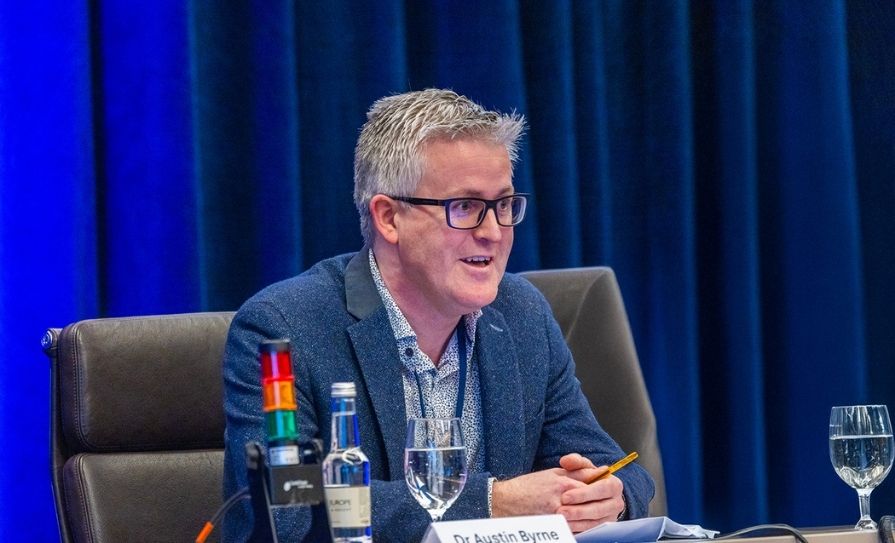
According to IMO GP committee member Dr Austin Byrne, the introduction of a programme tackling obesity, which is a risk factor in the development of a number of other diseases, is needed to improve overall population health.
The Waterford-based GP told MI that instead of focusing “on the tail ends of diseases and conditions, we need to move it right back to prevention”.
Dr Byrne called for a programme that would focus on all aspects of care around overweight and obesity, including the use of weight loss medication.
“We don’t have a comprehensive guideline set for GLP-1 agonists,” Dr Byrne said.
“It is something that would very much fit into a standalone programme of care, largely delivered by GPs, with allied healthcare professionals’ input.”
However, he said such a programme would not just be around the prescription of GLP-1 agonists.
“We need a weight loss programme and within that programme some people may use GLP-1s. But we are already seeing early trial evidence about the use of selective beta agonists and that will be a thing that will feed in next year and the year after – newer and better drugs and safer drugs. This is changing all the time. We need to have programmes funded based on best management of disease entities as opposed to specific drugs.”
As recently reported in MI, talks have commenced between Department officials and IMO representatives on the introduction of a chronic kidney disease management programme.
But, according to Dr Byrne, “narrow models of care” like this are more limited in what they can achieve in comparison to a potential programme for obesity.
GPs are not resourced for the management of obesity and formal supports within the State are inadequate, according to Chief Executive of the IMO Ms Susan Clyne.
This is why the Organisation has called for a structured standalone overweight and obesity management programme in general practice.
“The IMO advocates for a programme of ‘patient first’ care that will prescribe medication for a defined group, based on need, rather than a ‘drug first’ pathway,” Ms Clyne told MI.
“This will become an increasing issue in the near future, with the growing number of available agents soon to arrive to market, each with their own suitability for different patient cohorts and monitoring requirements.
“The presence of obesity in early adult years increases the lifetime risk of premature death by around 80 per cent in both men and women via a multitude of direct and indirect disease effects and reduction in this risk is achieved with reduction in weight. Significant benefit arises from even modest reductions and longitudinal continuity of care, the cornerstone of general practice, can ensure a supportive and responsive environment is created from early on and maintained for the longer term.”
Ms Clyne added that due to the relatively recent and widespread availability of a range of highly effective medications for treating obesity, “we are witnessing a dangerous and growing problem of patients accessing medication both online and backstreet without adequate medical assessment or ongoing medical supervision.”
“It is not just a question of writing a prescription or managing to obtain access to a drug treatment,” she said.
“We know that in unsupervised use, 80 per cent of medication users will have abandoned treatment by 18 months with resulting gain of prior weight and return of health risk. This represents an unfortunate missed opportunity in an initially motivated cohort and GPs are increasingly encountering patients with medication side-effects who seek assistance in managing these side-effects and maintaining their disease management efforts.”
Since its introduction in 2020, the CDM programme has engaged more than 400,000 medical card and GP visit card patients.
Patient with diseases such as asthma, chronic obstructive pulmonary disease, heart disease, and type 2 diabetes and, more recently, women who have experienced gestational diabetes and pre-eclampsia, are treated through the programme.
The statistics underpinning a public health crisis
According to the Healthy Ireland Survey 2024:
▶ Just over three in five men (63 per cent) reported overweight or obese weight measurements, while half (50 per cent) of all women reported the same. These figures are the same as those reported in 2022.
▶ Just over one-quarter (27 per cent) of people said they eat one snack food each day, an increase of three points since 2019 (24 per cent). A further 35 per cent reported they eat two or more snacks each day.
▶ Just under one-third (32 per cent) of the population reported consuming sugar-sweetened drinks at least once per week. This includes 9 per cent who reported consuming these every day (29 per cent and 8 per cent respectively in 2019).
▶ Fruit was eaten daily by 62 per cent of the population and 73 per cent reported eating vegetables every day. Reports of daily fruit and vegetable consumption declined since 2019 (65 per cent and 75 per cent respectively). Five or more portions of fruit and vegetables are eaten each day by 28 per cent of the population, six points lower than reported in 2019 (34 per cent).
The survey is conducted annually with a representative sample of the population aged 15 and older living in Ireland.
The summary report is available at: https://assets.gov.ie/static/documents/healthy-ireland-survey-summary-report-2024.pdf








Leave a Reply
You must be logged in to post a comment.