







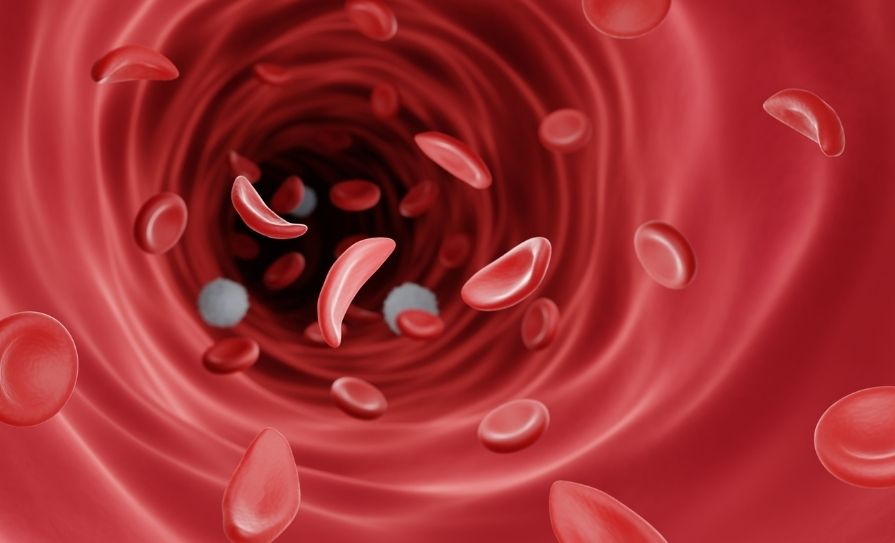
The HSE has convened a group to develop a national model of care for patients with haemoglobinopathies such as sickle cell disease (SCD).
Children’s Health Ireland (CHI) at Crumlin and St James’s Hospital (SJH) in Dublin operate the only national comprehensive centres with expertise in haemoglobinopathies. Both services have advocated for designation as national referral centres with a national model of care and appropriate resources for many years.
In 2024, the Medical Independent reported that due to insufficient capacity, some patients at SJH were on a waiting list to commence blood transfusion programmes, leaving them at increased risk of life-changing complications.
A notable rise in adult patients was forecasted by clinicians due to the age profile of a significant cohort at Crumlin.
In March 2021, SJH CEO Prof Mary Day wrote to the then HSE Director of Acute Operations Mr Liam Woods describing the “urgent requirement for a model of care” and appropriate resourcing, according to records obtained under Freedom of Information law.
The requirements included designation as a national adult centre, increased staffing and funding, and a designated ambulatory care unit.
The hospital has developed a number of business cases in the intervening years. A business case dated April 2025 reiterated the need for essential resourcing. “The resources received to date to run this critical and complex service in St James’s Hospital are inadequate.”
It noted the service had grown exponentially from 32 patients in 2014 to approximately 399 patients in April 2025.
“Elective transfusions are an essential treatment in SCD and at SJH we do not currently have the necessary day-ward capacity to transfuse all patients and meet continuous increasing demand,” the document stated.
Due to funding, labour resource and capacity constraints, there were 89 patients aged over 18 in CHI Crumlin awaiting transition to the adult service, with 36 awaiting transition for urgent blood transfusion and red cell exchange and this number continued to increase annually.
“This incurs a significant clinical risk to these patients, as they are too old to access appropriate care, and it is extremely concerning from a child protection perspective.”
The transition from the paediatric to adult setting is a period of heightened risk for the health and wellbeing of SCD patients. The planned age of transfer for these patients in Ireland is 18/19 years of age.
A spokesperson for SJH said: “St James’s Hospital has placed its adult haemoglobinopathy service on both the directorate and corporate risk register, graded as high. This is a capacity issue in terms of staffing and blood supply [blood stocks and medical scientist staffing]. The hospital has engaged with HSE Dublin and Midlands and are actively involved with the national HSE sickle cell working group.” The spokesperson added that SJH was also awaiting “the delivery” of the HSE’s national model of care.
A CHI spokesperson said both the paediatric and adult centres were “designated by the Department of Health as expert comprehensive care centres for red cell disorders”
The centre at Crumlin was formally established in 2003 and its staff have diagnosed and treated 700 children. Some patients have also undergone curative therapy in London, added the spokesperson.
CHI has worked “in close partnership” with the adult service at SJH to establish a transition programme, supporting continuity of care from adolescence into adulthood. “This programme has been active since 2015, and the collaboration continues to function effectively.”
CHI has recently met with SJH and the HSE to discuss the need to ensure timely transition for young adults with SCD to adult services.
“Between March and July 2025, 16 patients have completed their transition of care (TOC) to adult services, and a further 21 TOC appointments have been scheduled between September and November. It is not best practice to care for adults on a children’s ward or vice versa. There are no adult wards in CHI.”
Patients aged over 18, who present with acute SCD complications, are to be seen in adult services with any necessary support from CHI, they added.










Leave a Reply
You must be logged in to post a comment.