







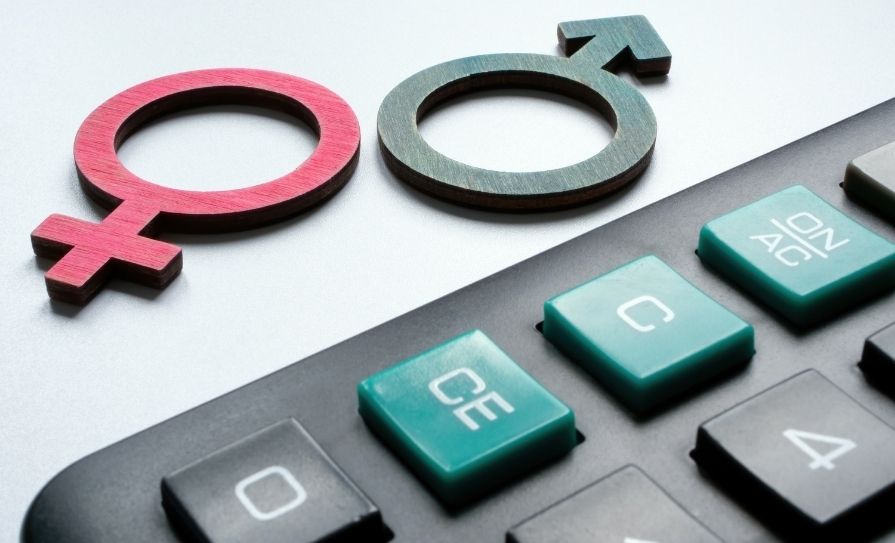
The HSE’s gender pay gap (GPG) has widened for the second year in a row, according to the Executive’s 2025 report on the issue.
The new data shows that male staff earned on average 15.9 per cent more per hour than their female colleagues in 2025 – a rise of 1.4 percentage points on 2024.
The report highlights the “primary driver” of the gap is within the ‘medical and dental’ staff cohort. The gap in this category reached 14.5 per cent, up from 13.5 per cent in 2024, making it the highest across all six staff categories.
The report notes that the gap does not arise from unequal pay for equal work. Instead, male doctors are earning more due to work patterns.
“The medical/dental GPG does not mean that males are being paid at higher rates, but rather that males are possibly earning more by doing more hours paid at premium rates,” the report states.
It adds that these premia – such as on-call payments – are “standardised as per public pay policy and are remunerated to both males and females alike”.
Growth in the consultant workforce and the roll-out of the public-only consultant contract have also shifted the pay landscape, according to the report.
The HSE says the changing gender balance within the consultant cohort has amplified the gap, with men still over-represented in the highest-earning quartile relative to their share of the workforce.
When medical and dental staff are excluded, the overall pay gap changes in favour of female employees (–1.2 per cent), the analysis shows.
The other categories comprise: Nursing and midwifery; health and social care professionals; management and administration; general support; and patient and client care.
“The overall HSE GPG and GPG increase is attributable to medical and dental” staff, according to the report.
While the mean gap stands at 15.9 per cent, the median hourly pay gap is just 0.5 per cent.
To address structural inequalities, the HSE is developing a new Diversity, Equality, and Inclusion Strategy, promising strengthened data, training, and equality-proofed recruitment and progression.
Meanwhile, in its 2025 report on the issue, the Department of Health states it has a mean gender pay gap of 0.86 per cent in favour of men and a median pay gap of 2.56 per cent in favour of men.
For part-time employees, the mean gender pay gap is –2.82 per cent in favour of women and the median gender pay gap is –0.50 per cent in favour of women.









Leave a Reply
You must be logged in to post a comment.