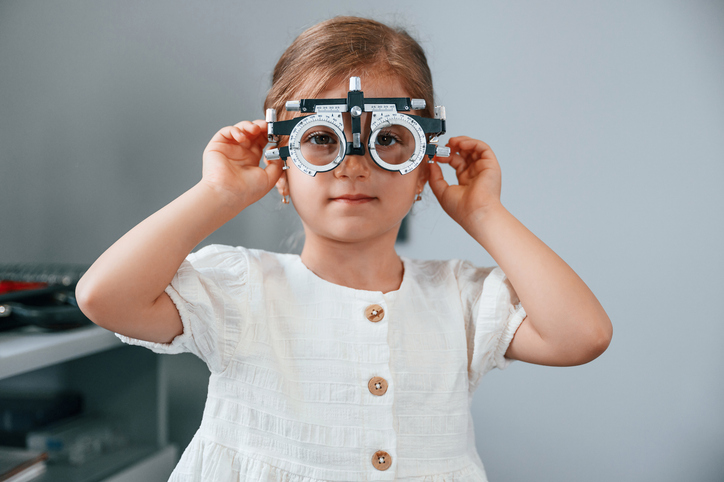
Credit: iStock.com/standret
A quality improvement project from the Royal Victoria Eye and Ear Hospital (RVEEH) in Dublin has demonstrated how simple visual preparation tools can significantly improve the experience of autistic patients attending ophthalmology appointments in acute hospital settings.
The research, titled ‘Carer experience using visual social stories with autistic patients at RVEEH’ was presented at the Irish College of Ophthalmologists 2026 Annual Conference.
The project was led by Dr Ian Brennan, Surgical Ophthalmology Trainee, and Dr Olya Scannell, Consultant Ophthalmologist, at the RVEEH in response to growing recognition that autistic patients often face barriers when accessing specialist hospital care.
Sensory overload, unfamiliar environments, and unpredictable procedures can all contribute to significant anticipatory anxiety and difficulties completing examinations.
Using a quality improvement methodology based on the Plan-Do-Study-Act framework, the team developed department-specific Social Stories™ tailored to ophthalmology appointments at RVEEH.
The stories use real photographs of clinical areas, staff, and equipment to help patients become familiar with the hospital environment before arriving for their appointment.
The visual guides follow a clear and predictable sequence of six ‘stops’ throughout the patient journey, using simple First/Then logic to support transitions between waiting and consultation areas.
The stories were made available in digital pre-appointment packs and hosted online to allow patients and carers to review them at home in advance of their visit.
During the pilot phase, clinical staff reported noticeable improvements in patient preparedness and engagement during appointments. According to feedback gathered as part of the project, patients who reviewed the social story beforehand appeared better able to tolerate the sensory and procedural demands of ophthalmology assessments.
Staff also reported increased success in completing examinations and procedures that can be particularly challenging for autistic patients, including the administration of dilating eye drops, and slit-lamp biomicroscopy examinations.
In addition to improving the patient experience, clinicians noted that the initiative reduced time spent managing distress during consultations, allowing appointments to proceed more efficiently and effectively. Staff further described feeling more confident in delivering neurodiversity-affirming care with the support of a standardised preparatory resource.
The authors conclude that department-specific Social Stories™ represent a low-cost and scalable intervention that can meaningfully improve access to acute specialist healthcare for autistic patients.
They suggest the model could be adapted for use across a wide range of sensory-intensive healthcare environments and supports wider national goals around inclusive and accessible healthcare delivery.












Leave a Reply
You must be logged in to post a comment.