







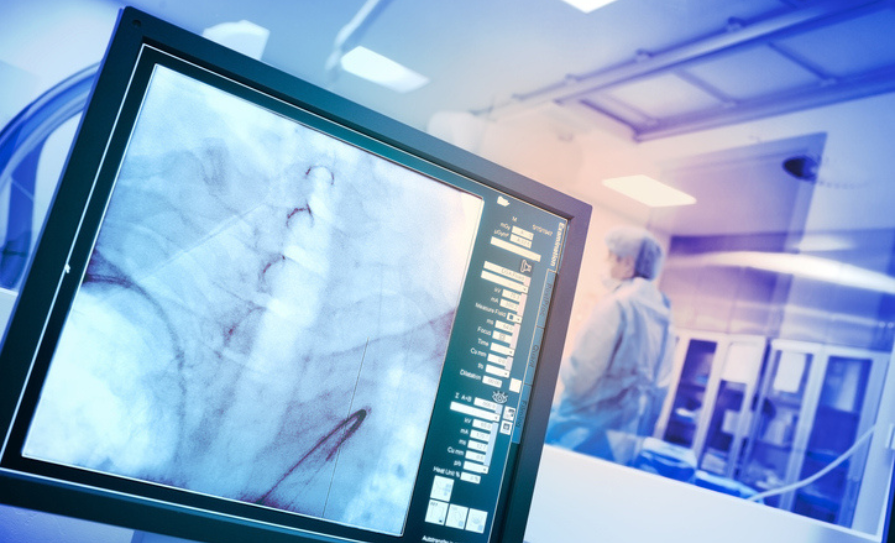
The RCSI HSE National Clinical Programme for Interventional Radiology has today published Ireland’s first national model of care for interventional radiology. The document sets out a comprehensive framework to ensure patients have access to high-quality, timely, safe and equitable interventional radiology services, both in hours and out of hours.
The model of care provides a roadmap for the delivery of 24/7 emergency and elective interventional radiology services over the next decade, aligned with Sláintecare and the reconfiguration of HSE services under the new health regions.
Interventional radiology is a rapidly expanding clinical specialty that uses minimally invasive, image-guided procedures to treat a wide range of conditions, including stroke, subarachnoid haemorrhage, certain cancers, trauma, sepsis, postpartum haemorrhage and provision of venous access for cancer chemotherapy as well as many others.
“Healthcare systems around the world are recognising the role of interventional radiology in the delivery of organ and life-saving treatment for patients,” said Prof Colin Cantwell, Consultant Radiologist and Lead Author of the Model of Care. These procedures often reduce the need for major surgery, shorten hospital stays and support faster patient recovery.
The model of care addresses long-standing variation in access to these services across the country. It outlines how services should be organised nationally to ensure equity of access, sustainability of the workforce and integrated patient pathways across hospital and community settings.
Key recommendations in the model of care include:
- the development of 24/7 emergency interventional radiology services in every health region, delivered through a networked hub-and-spoke model;
- improved access to elective, outpatient and day-case interventional radiology services, including clearer referral pathways from GPs and community services;
- strengthened clinical integration, governance and quality assurance arrangements;
- and a clear plan for workforce development and training across medical, nursing and radiography professions.
The model of care addresses body interventional radiology, neurointerventional radiology and paediatric interventional radiology, and applies to both model 3 and model 4 hospitals. Its development followed an extensive consultation process involving clinicians, nurses, radiographers, other national Clinical programmes, health regions and service users.
Prof Michael Lee, Clinical Lead of the National Clinical Programme for Interventional Radiology, said: “Interventional radiology is now central to the delivery of modern, patient-centred healthcare. This model of care provides, for the first time, a nationally agreed framework to ensure patients can access routine and life-saving IR services when and where they need them, regardless of where they live.”
“This model of care reflects the expertise and commitment of multidisciplinary teams across the country. Its implementation will support safer services, improved patient outcomes and better use of healthcare resources, while also addressing critical workforce and service sustainability challenges,” added Prof Lee.
Welcoming the publication, RCSI President Prof Deborah McNamara said: “The publication of the first national Model of Care for Interventional Radiology is a significant step in strengthening patient-centred, evidence-based care across Ireland. This model of care reflects the commitment of clinicians, educators and health system leaders to ensuring equitable access to high-quality services, aligned with Sláintecare and the needs of patients now and into the future. RCSI is proud to support this clinically led, collaborative work, which will help shape safer, more sustainable healthcare delivery nationwide.”
Implementation of the model of care will be supported by the National Clinical Programme for Interventional Radiology in collaboration with the HSE, health regions and key stakeholders. Work will continue in 2026 to progress priority actions, including expanding emergency interventional radiology coverage, strengthening data and quality systems, and supporting workforce planning and development.
The RCSI HSE National Clinical Programme for Interventional Radiology was established in 2023 to provide national clinical leadership for the development and delivery of safe, high-quality and equitable interventional radiology services in Ireland. The programme works with clinicians, health regions and key stakeholders to identify best practice, address unwarranted variation in care, and support the planning, organisation and integration of interventional radiology services across hospital and community settings.
Through the development of national frameworks, including the Model of Care for Interventional Radiology, the national clinical programme supports improved patient access to timely, effective and sustainable IR services aligned with Sláintecare principles.
The Model of Care for Interventional Radiology is available here: https://www.rcsi.com/surgery/practice/national-clinical-programmes/interventional-radiology











Leave a Reply
You must be logged in to post a comment.