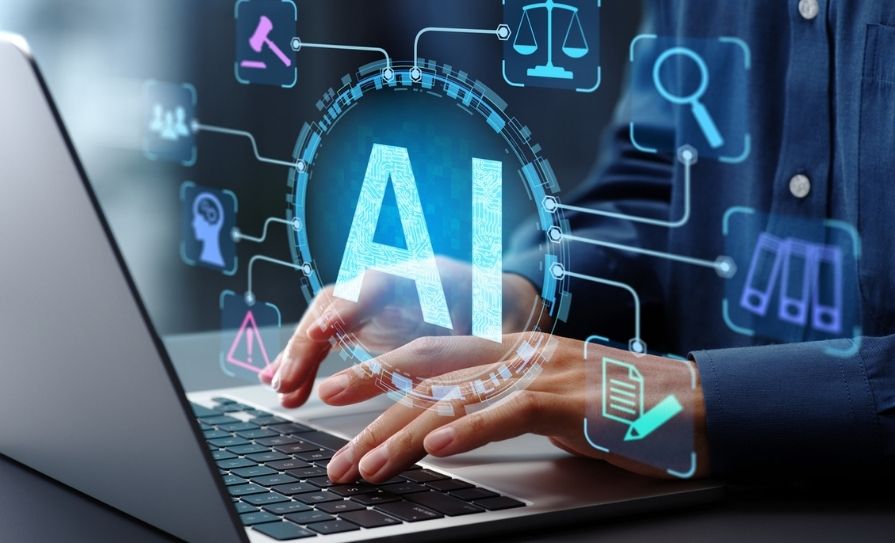
iStock.com/tadamichi
For me, AI is a tool that can augment rather than replace the skills of a doctor
I’m generally a late adopter when it comes to technology – be it iPhones, digital banking apps or wireless Bluetooth earphones, I tend to watch and wait to see how things will catch on before I jump in. Somewhat unusually for me, I feel like I’m coming into the use of artificial intelligence (AI) in medicine relatively early. Like most, when I first heard of AI, I thought of sci-fi films with robots or those generated images of people with six fingers. However, I now believe – if harnessed correctly – it will completely change how we practice medicine day-to-day.
Adoption of AI seems like a seamless transition in the GP setting. Indeed, we would be considered early adopters of computer technology compared to hospitals. We are already nearly entirely paperless with all referrals, scripts, and results going in and out to us online. All this time on computers has its downsides – the one part of my job that I was really beginning to hate was the endless typing of notes after each consultation. It could add up to 10 minutes to every consult and would result in sessions running endlessly behind.
However, we have recently started using Heidi, an ambient AI programme that ‘listens’ to consultations with the use of a microphone and then generates a coherent clinical note in whatever format you choose. Its ability to understand rambling conversations in all accents from Ukrainian to deepest Connemara and convert it into something that actually makes sense is really quite remarkable. It is well able to translate ‘your chest sounds grand there, Mary’ into ‘chest clear on auscultation’ and generate professional referral letters or patient advice sheets as needed.
Since using it, I find I am so much more efficient and can focus more on exactly what the patient is saying. It’s not perfect, however – you have to check exactly what it generates; it can on occasion get things comically mangled or just plain make stuff up.
There are some significant concerns about the use of AI in medicine, particularly with regards to data protection. But many of these ambient AI programmes are GDPR (General Data Protection Regulation) and HIPAA (Health Insurance Portability and Accountability Act) compliant. Also, their already widespread adoption in many NHS Trusts does add some reassurance. It is hard to predict what issues will arise in the future.
There are also doubts about the role of the doctor and whether we will be replaced by these programmes. Heidi and other such programmes make a point of not coming up with diagnoses or management plans itself, which ensures that we do still need to use our brains and clinical acumen. I do have concerns about how it may affect medical education though. I feel confident using these programmes because I know exactly how to formulate a medical note. But this could be an essential skill that might be lost if the computer just does it for you.
The environmental impact of AI programmes, in general, is another worry. They are known to require huge amounts of data processing energy and consume vast quantities of electricity and water.
With these new technologies coming down the tracks faster than we know how to safely use them, it can feel somewhat like you’re operating in the Wild West. Thankfully, the likes of the Medical Council and Irish College of GPs are getting on board early with guidance for doctors and patients. Ultimately, as the doctor, you are clinically responsible for whatever the AI spits out and how you may choose to act on it.
I do think AI is a tool that can augment rather than replace the skills of a doctor. Until a computer can replace the GP skills of gentle listening, the comfort of a hand squeeze, or a smile of reassurance, I really don’t feel I will be replaced by AI.
AI is now almost impossible to avoid. It has become a feature of everything from Google to social media. I have embraced programmes such as ChatGPT in daily life – it is invaluable for things like planning city breaks or workout plans. Like everything in life, it does require a healthy dose of scepticism and double-checking if everything it says is truly correct.
I do wonder if we will look back on fears about AI as hopelessly old-fashioned, like people who were afraid of new technologies such as electricity or telephones or whether it contains risks that we cannot even begin to imagine. Time will tell what impacts this likely most consequential technological development of the 21st Century will have on society and the world.










Leave a Reply
You must be logged in to post a comment.