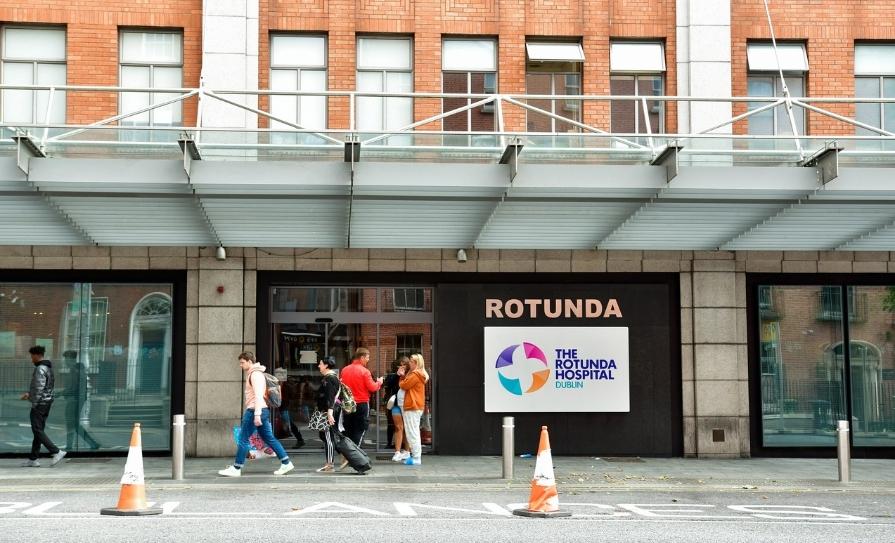
Rotunda Hospital, Dublin
Significant concerns have been expressed following the decision to overturn planning permission for the expansion of the Rotunda Hospital in Dublin.
Approval for the development had initially been granted by Dublin City Council in July. The proposed €100 million critical care wing was designed to deliver almost 10,000 square metres of additional gross floor space, including 80 new hospital bedrooms. These were to include a 16-bed labour ward and a 20-bed neonatal intensive care unit.
The plans also provided for a 25-bed special care baby unit, a 19-bed postnatal unit, a new operating theatre, and other facilities. The project would have required the demolition of an existing single-storey outpatient building to facilitate construction of the four-storey critical care wing.
After planning permission was granted, An Coimisiún Pleanála received two objections to the scheme. The appellants argued that the development would adversely affect the character of Parnell Square and would exceed the limited scope for expansion permitted within a Georgian Conservation Area.
While the original inspector had felt the proposal represented “an overwhelming public benefit” which was “sufficient to justify the degree of heritage harm identified”, the appeals board did not agree with this assessment.
Following the decision, the Rotunda board and executive management team and staff expressed their “bitter” disappointment.
“Most affected will be the tiny fragile premature infants who require prolonged, safe intensive care, which should be provided in a modern 21st Century neonatal intensive care unit,” according to a statement from the hospital.
“As Ireland’s busiest maternity hospital providing care to a quarter of the State’s premature and critically ill babies, it is essential that we address the infrastructural deficits and spatial constraints in a timely fashion. This decision will not only create clinical risk for the most vulnerable cohort of patients in the health system, but may have a national impact in terms of neonatal capacity.”
The statement noted that the decision means pregnant women will continue to be cared for in clinical areas that were built in 1757 and are no longer fit for purpose.
“No matter how compassionately our staff care for all our patients, there is no getting away from the impact of substandard infrastructure on the long-term wellbeing of women and their babies and this is what the critical care wing was attempting to address.”
IMO Vice-President Prof Matthew Sadlier said the decision was “short-sighted and regrettable”.
“The Government has rightly given special status to energy, water, and transport in its latest critical infrastructure plan, but it is clear that healthcare infrastructure needs to be added to the list,” commented Prof Sadlier, who is also Chair of the IMO’s consultant committee.
“For too long, patients and the healthcare staff who treat them have been forced to endure inadequate conditions in archaic facilities around the country and this latest decision will perpetuate this dangerous reality for patients of the Rotunda Hospital.”
The Lord Mayor of Dublin, Cllr Ray McAdam, said the case shows Ireland needs a faster, more streamlined planning pathway for critical healthcare projects.
It is hard to disagree with this view.
The prolonged delays and spiralling costs associated with the New Children’s Hospital are the most high-profile example of the challenges involved in delivering major health infrastructure projects in this country.
In regard to the Rotunda, Minister for Health Jennifer Carroll MacNeill said all options are on the table, but that the preference is for the hospital to remain on the current site.
Given the level of clinical risk associated with the Rotunda’s constrained infrastructure, a clear and workable path forward is now needed as a matter of urgency.












Leave a Reply
You must be logged in to post a comment.