







Endometriosis is a complex, chronic, systemic condition with significant physical, psychological, reproductive, and socioeconomic consequences. Delayed diagnosis remains a major contributor to disease burden and long-term morbidity.
Endometriosis: An introduction
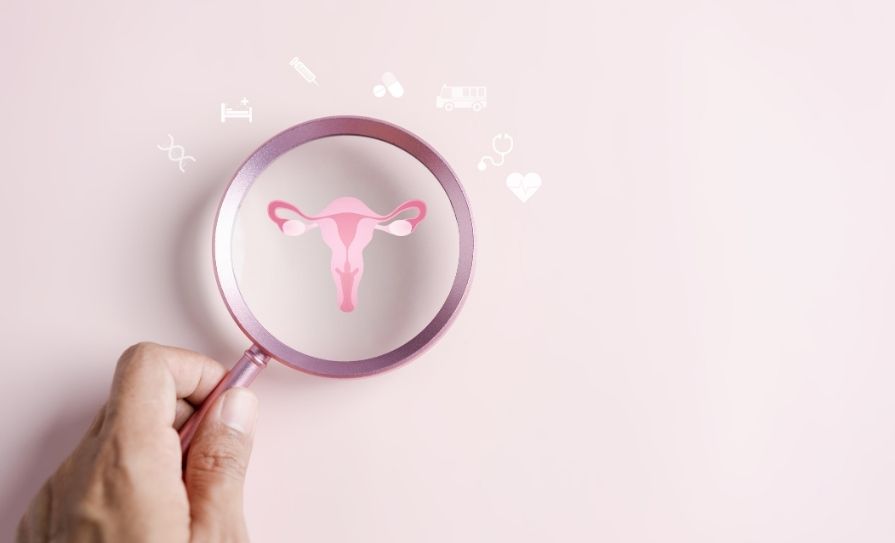
Endometriosis is a chronic, inflammatory, oestrogen-dependent condition characterised by the presence of endometrial-like tissue outside the uterine cavity.¹ It is associated with dysmenorrhoea, chronic pelvic pain, dyspareunia, bowel and urinary symptoms, fatigue, subfertility, and significant impairment in quality of life.² Despite affecting approximately one in 10 women of reproductive age, endometriosis remains under-recognised and under-diagnosed, with symptoms frequently normalised within healthcare encounters.¹
Across Europe, the average diagnostic delay is seven to nine years.³ This delay is associated with disease progression, psychological issues, and increased healthcare utilisation.⁴ The publication of the Irish National Clinical Practice Guideline: Assessment and Management of Endometriosis (2025) represents a major advance in standardising evidence-based care pathways.⁵
Epidemiology: Endometriosis is one of the most prevalent chronic gynaecological conditions worldwide. Contemporary estimates suggest that 10-15 per cent of individuals of reproductive age are affected globally, equating to around 190 million people.¹,⁶ True prevalence is difficult to determine due to historical reliance on surgical diagnosis, symptom heterogeneity, and disparities in access to specialist services.⁷
Age of onset and life-course perspective: Endometriosis is increasingly recognised as a life-course disease. Up to two-thirds of individuals with confirmed endometriosis report symptom onset during adolescence, often within a few years of menarche.¹ Symptoms may persist into perimenopause and post-menopause, particularly in individuals with residual disease or severe historical endometriosis.⁸
Socioeconomic and public health impact: Endometriosis is associated with significant educational, occupational, and economic consequences. European cost-of-illness studies demonstrate that indirect costs related to absenteeism and reduced productivity often exceed direct medical costs.⁹ Quality of life impairment is comparable to that experienced in other chronic diseases such as diabetes and rheumatoid arthritis.¹⁰
Diagnostic delay as an epidemiological feature: Diagnostic delay remains a defining feature, with mean delays of seven to nine years, and even longer delays observed in adolescents and/or those with bowel-predominant symptoms.³,¹¹ Delayed diagnosis is independently associated with poorer pain outcomes, psychological distress, and chronic pain syndromes.⁴
The menstrual cycle: Foundation for understanding endometriosis pathophysiology
A clear understanding of normal menstrual physiology is essential to understand the pathophysiology of endometriosis. Endometriosis develops within the context of normal cyclical hormonal signalling, and disruption of these regulatory pathways underpins symptom generation.
The menstrual cycle is regulated by the hypothalamic-pituitary-ovarian (HPO) axis. The hypothalamus releases gonadotropin-releasing hormone (GnRH) in a pulsatile manner, stimulating the anterior pituitary gland to secrete follicle-stimulating hormone (FSH) and luteinising hormone (LH). These gonadotropins act on the ovaries to regulate follicular development, ovulation, and steroid hormone production. Ovarian oestradiol and progesterone exert both negative and positive feedback on the hypothalamus and pituitary, maintaining cycle regularity. A typical cycle lasts approximately 28 ± four days and consists of three interrelated phases.¹²
Menstrual phase (approximately days one-five)
Menstruation represents the shedding of the functional layer of the endometrium when implantation has not occurred. Falling progesterone and oestrogen levels trigger vasoconstriction, tissue breakdown, and prostaglandin release – producing uterine contractions and menstrual bleeding. Prostaglandins also contribute to menstrual pain and gastrointestinal symptoms in susceptible individuals.
Follicular phase (approximately days one-14)
FSH stimulates the recruitment of ovarian follicles. The dominant follicle produces rising oestradiol, which promotes proliferation and thickening of the endometrium in preparation for potential implantation. Oestradiol also alters cervical mucus to facilitate sperm survival. When circulating oestradiol reaches a critical threshold, positive feedback triggers a surge in LH.
Ovulation
The LH surge induces rupture of the dominant follicle and release of the oocyte. Ovulation represents the peak fertile window and marks the transition to the luteal phase.
Luteal phase (approximately days 15-28)
Following ovulation, the ruptured follicle forms the corpus luteum, which secretes progesterone and smaller amounts of oestrogen. Progesterone stabilises the endometrium, suppresses further proliferation and modulates immune activity to support potential implantation. If pregnancy does not occur, corpus luteum regression leads to declining progesterone and oestrogen, initiating the next menstrual bleed.
Relevance to endometriosis:Progesterone normally counterbalances oestrogen-driven proliferation and inflammation. In endometriosis, progesterone-resistance impairs this protective effect, while local oestrogen production within lesions sustains inflammatory activity.¹,¹³ Cyclical hormonal fluctuations therefore drive repeated activation of ectopic tissue, contributing to pain, inflammation, and disease persistence.
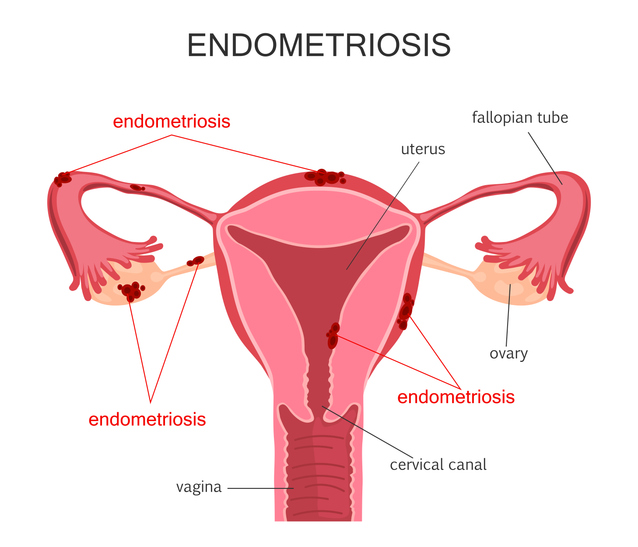
FIGURE 1: Endometriosis lesions. Credit: iStock.com/FancyTapis
Clinical presentation2
Common and atypical symptoms include:
• Severe dysmenorrhoea
• Chronic pelvic pain
• Deep dyspareunia
• Dyschezia (difficulty/painful defaecation)
• Cyclical urinary symptoms
• Fatigue and cognitive impact
• Subfertility or infertility
• Anxiety and depression¹⁴
• Atypical neuropathic pain patterns.
Pathophysiology
Endometriosis is best understood as a chronic, systemic inflammatory condition that is hormonally driven and neurologically complex – rather than simply the presence of ectopic tissue.¹ The interaction between endocrine dysregulation, immune activation, neuroangiogenesis (the simultaneous growth of new nerve fibres and new blood vessels into tissue), and central nervous system sensitisation (when the brain and spinal cord become over-responsive to pain signals after repeated or prolonged pain, so that normal sensations or mild stimuli are perceived as painful) explains why symptoms can be severe, persistent, and poorly correlated with lesion size or surgical stage.¹
Hormonal dysregulation: Oestrogen dependence and progesterone resistance: In the normal menstrual cycle, oestrogen stimulates the proliferation of the endometrium while progesterone stabilises and limits excessive growth. In endometriosis, ectopic lesions demonstrate progesterone resistance, meaning progesterone signalling pathways are downregulated or dysfunctional.¹³ As a result, the normal suppressive effect of progesterone is reduced, and oestrogen-driven proliferation continues unchecked.
Inflammation and immune dysfunction: Endometriosis is associated with a chronic inflammatory pelvic milieu. Activated macrophages, mast cells, and ectopic stromal cells release cytokines (eg, interleukin (IL)-1β, tumour necrosis factor (TNF)-α, and prostaglandins that promote pain, fibrosis, angiogenesis, and tissue remodelling.¹⁵ Instead of clearing ectopic tissue, immune dysregulation sustains lesion persistence.
Neuroangiogenesis and pain generation: Endometriosis lesions actively promote the growth of new blood vessels and sensory nerve fibres, increasing local pain signalling.¹⁶
Central sensitisation: Repeated nociceptive input can remodel central pain pathways, resulting in central sensitisation.⁴ Patients develop amplified pain responses, reduced pain thresholds, and persistent pain, even when peripheral disease activity is reduced or surgically removed.
Why do symptoms not match the surgical stage? Pain severity reflects nerve involvement, inflammatory burden, and nervous system sensitisation rather than lesion volume alone.¹,¹⁷
Patient explanations GPs or nurses can use:
“Endometriosis pain happens because the tissue stays hormonally active, causes inflammation, and over time makes the nerves more sensitive, so pain can persist even when the disease looks mild.”
“The endometriosis tissue grows its own blood supply and nerve endings, which makes the area very sensitive and painful.”
Diagnosis in primary care
There is currently no single definitive non-invasive biomarker for endometriosis. Contemporary guidelines support early clinical diagnosis and initiation of treatment based on symptoms, rather than delaying care until surgical confirmation.⁵,¹¹
Clinical assessment
Assessment should include a detailed menstrual history (age at menarche, cycle regularity, bleeding pattern), pain characteristics (onset, cyclical pattern, severity, radiation, functional impact), gastrointestinal and urinary symptoms, sexual function, fertility intentions, psychosocial impact and family history. Validated pain scores or symptom diaries support objective monitoring.
Imaging
Transvaginal ultrasound is first line for the detection of ovarian endometriomas and deep infiltrating disease when performed by experienced operators. High-resolution ultrasound can identify features such as hypoechoic nodules, site-specific tenderness mapping, and reduced organ mobility.
MRI is recommended for mapping complex disease, suspected deep infiltrating endometriosis, bowel or bladder involvement, ureteric disease, and preoperative surgical planning. MRI provides superior soft tissue contrast, allows assessment of disease depth and relationship to adjacent organs, and supports multidisciplinary surgical planning.
CT is not routinely used for the primary diagnosis of endometriosis due to limited soft tissue discrimination and radiation exposure. However, CT may be utilised in acute presentations to exclude alternative diagnoses (eg, bowel obstruction, perforation, malignancy) or to assess complications when MRI is not immediately available.
Role of laparoscopy: Diagnostic laparoscopy is reserved for individuals with refractory symptoms, diagnostic uncertainty, suspected complications, or before complex surgical management. Histological confirmation remains the gold standard, but is no longer required before initiating treatment.⁵,¹¹
Emerging diagnostics: saliva-based microRNA testing
The Endotest salivary microRNA assay analyses differential expression of microRNA signatures associated with endometriosis. Prospective validation studies demonstrate high sensitivity and specificity, including detection of early-stage disease and non-ovarian phenotypes.18,19
Potential advantages include non-invasive sampling, reduced diagnostic delay, and improved access for adolescents. Limitations include cost, limited real-world implementation data, and evolving regulatory pathways. While promising, current Irish guidance does not recommend the use of any biomarkers for diagnosing endometriosis, and the UK’s National Institute of Health and Care Excellence (NICE) advises against CA-125 for diagnosis; therefore, salivary miRNA testing is not currently recommended for routine diagnostic use in these guidelines5,11
Disease classification and staging of endometriosis
Accurate classification supports communication between clinicians, surgical planning, research comparability, and predicting fertility outcomes. Importantly, symptom severity does not reliably correlate with ‘stage’.¹,¹⁷ The European Society of Human Reproduction and Embryology (ESHRE) guideline recommends a structured phenotype/anatomical description and recognition of limitations of existing staging systems.²
1) Revised American Society for Reproductive Medicine (rASRM) classification
The rASRM system categorises disease into four stages (I-IV) using a point score based on implants and adhesions.
Limitations: Correlates poorly with pain and quality of life outcomes.¹,¹⁷
2) Enzian classification (deep infiltrating and multi-compartment disease)
The Enzian system provides a compartment-based description of deep disease and has been adapted for imaging and operative reporting.²⁰
Clinical value: Supports mapping, multidisciplinary planning, and standardised follow-up.²⁰,²¹
3) American Association of Gynaecologic Laparoscopists (AAGL) 2021 Endometriosis Classification (surgical complexity)
The AAGL 2021 system was designed to grade operative complexity more reliably than rASRM and support benchmarking and service planning.²²
4) Endometriosis Fertility Index (EFI)
The EFI is a validated post-surgical score that estimates the likelihood of spontaneous pregnancy following operative management for endometriosis. Evidence supports its prognostic value, and it can help guide counselling about how long to try naturally before referral for fertility treatment.23
Patient discussion point: Ask whether fertility is a goal at each review, document it clearly, and encourage patients to request an EFI discussion with their gynaecology team.
| System | Primary purpose | Where used | Strengths | Key limitations |
|---|---|---|---|---|
| rASRM | Describe overall surgical disease burden | Laparoscopy reporting | Familiar; widely used | Poor correlation with pain/ quality of life1,17 |
| Enzian | Anatomical mapping (deep and multi-compartment) | Expert TVUS/MRI and surgery | Pre-op planning; standardised reporting20,21 | Requires training/expertise |
| AAGL 2021 | Grade surgical complexity | Laparoscopy reporting | Better discrimination of operative complexity22 | Less familiar in routine practice |
| EFI | Predict spontaneous pregnancy after surgery | Post-op fertility counselling | Prognostic tool for fertility23 | Not a pain/severity score |
TABLE 1: Common classification systems – purpose, strengths, and limitations
Non-pharmacological management
Endometriosis pain is multifactorial (nociceptive, inflammatory, myofascial, neuropathic, and centrally mediated). Non-pharmacological strategies target mechanisms that hormonal therapy may not fully address, particularly pelvic floor dysfunction, fear avoidance, sleep disruption, mood symptoms, and central sensitisation.⁴
Education, validation, and self-management skills: Education and validation reduce uncertainty, improve adherence, and can reduce pain-related distress.²⁴ Practical self-management includes pacing, flare plans, sleep hygiene, and symptom tracking.
Pelvic health physiotherapy: Specialist physiotherapy targets pelvic floor overactivity, myofascial trigger points, dyspareunia, posture and movement avoidance. Evidence supports clinically meaningful pain reduction with multimodal physical therapy in chronic pelvic pain, and physiotherapy techniques may improve pain in endometriosis-associated pelvic pain.²⁵,²⁶
Psychological interventions: Cognitive behavioural therapy (CBT) helps patients reframe catastrophic thoughts, reduce hypervigilance, and build coping skills.²⁷ A systematic review with meta-analysis reported psychological interventions improve pain, quality of life and mental health outcomes in endometriosis.²⁸ A randomised trial of CBT in endometriosis reported improvements in coping, psychological outcomes, and pain perception.²⁹
Yoga and mind–body movement: A randomised controlled trial of hatha yoga in endometriosis reported reductions in chronic pelvic pain and improvements in quality of life domains.³⁰
Acupuncture: A 2023 systematic review and meta-analysis reported improvements in pelvic and menstrual pain outcomes, though certainty varied by outcome and study quality.³¹ Earlier clinical literature also supports cautious interpretation due to limited trial size and heterogeneity.³²
Patient discussion point: Support non-pharmacological management by educating patients about multimodal pain strategies, encouraging self-management skills, and promoting realistic goals focused on function as well as pain reduction. Signposting and coordinating referrals to services such as pelvic health physiotherapy and psychological supports, and monitoring progress over time.
| Intervention | Why it works | Clinical target |
|---|---|---|
| Education and validation | Reduces fear/uncertainty; improves adherence | New diagnosis; diagnostic delay; flares24 |
| Pelvic health physiotherapy / multimodal PT | Treats pelvic floor overactivity and myofascial pain; restores function | Dyspareunia; persistent pelvic pain25,26 |
| CBT / pain-informed therapy | Reduces catastrophising; improves coping/function | Central sensitisation; comorbid anxiety/depression27-29 |
| Yoga | Movement + breath + mindfulness; improves quality of life and pain | Pelvic pain; stress30 |
| Acupuncture | May reduce pelvic/menstrual pain (variable certainty) | Dysmenorrhoea; adjunct option31,32 |
TABLE 2. Non-pharmacological interventions – mechanism and clinical target
Pharmacological management
Pharmacological therapy aims to suppress ovarian oestrogen production, reduce inflammatory activity, and modulate pain pathways.⁵
- Combined hormonal contraception (CHC): Suppresses the HPO axis, inhibits ovulation and stabilises cyclical hormonal fluctuations; continuous regimens reduce withdrawal bleeding and prostaglandin release.²,¹¹
- Progestogens: Induce decidualisation/atrophy of ectopic tissue and counteract oestrogen-driven proliferation and inflammatory signalling.13,37
- Levonorgestrel intrauterine system (LNG-IUS): Reduces endometrial activity and pelvic inflammatory stimuli.³³
- GnRH antagonists: Reduce pituitary stimulation and ovarian oestradiol production; add-back therapy reduces hypo-oestrogenic adverse effects while maintaining analgesic benefit.³⁴,³⁵
- Non-steroidal anti-inflammatory drugs (NSAIDs): Inhibit cyclooxygenase enzymes, reducing prostaglandin synthesis and dysmenorrhoea-related pain; adjunctive rather than disease-modifying.³⁶
- Neuromodulators: May be used within multidisciplinary chronic pain pathways for neuropathic features/central sensitisation.⁴
Patient discussion point: Support pharmacological management of endometriosis by assessing symptoms and contraindications, educating patients on how treatments work and what to expect, and monitoring response and side effects. Promote adherence, provide safety-netting, and coordinate timely review and referral when symptoms persist or red flags emerge.
Endometriosis and fertility
Endometriosis is associated with subfertility in approximately 30-50 per cent of affected individuals.² The relationship is multifactorial and extends beyond mechanical distortion of pelvic anatomy. Inflammatory mediators may impair folliculogenesis, oocyte quality, tubal function, fertilisation, and implantation.²
Patient discussion point: Document reproductive goals early, provide realistic counselling, avoid unnecessary delays in referral, and support shared decision-making with fertility services.
Surgical management
Surgery may be indicated for refractory pain, suspected deep infiltrating disease, organ compromise or fertility optimisation. Decision-making should be individualised and guided by symptom burden, disease distribution, previous surgery, and reproductive goals.
ESHRE recommends that complex disease be managed in specialist centres with multidisciplinary expertise.²,³⁸ Excision is preferred for deep lesions where feasible.²
Post-operative hormonal suppression reduces recurrence when pregnancy is not immediately desired.² Persistent pain following surgery may reflect central sensitisation or comorbid pain conditions rather than surgical failure alone.⁴
Patient discussion point: Perioperative education, medication adherence, complication surveillance and coordination of follow-up care.
Key red flags, clinical significance, and rationale
Early identification of red flag features is essential. National guidance emphasises safety-netting and low thresholds for investigation or referral when symptoms are atypical, progressive, or discordant with previous patterns.
- Postmenopausal bleeding or new pelvic pain after menopause: Postmenopausal bleeding is not a feature of benign endometriosis and may indicate endometrial hyperplasia or malignancy. New pelvic pain after menopause may reflect malignant transformation of residual disease or unrelated pelvic pathology. Urgent gynaecology assessment and imaging are required.¹¹,³⁹
- Unexplained weight loss, anorexia, persistent fatigue or anaemia: These features warrant prompt blood tests and referral rather than empirical hormonal escalation.11
- Palpable pelvic or abdominal mass, rapidly enlarging adnexal lesion, or persistent ovarian cyst in peri- or post-menopause: Enlarging or complex masses raise concern for neoplastic change, torsion or haemorrhage and should trigger urgent specialist review.11
- Haematuria, rectal bleeding, bowel obstruction symptoms or severe cyclical urinary/bowel dysfunction: Although deep infiltrating endometriosis can involve bowel or bladder, visible bleeding or progressive change may indicate alternative pathology and requires investigation.11
- Rapid escalation of pain, new neurological symptoms or asymmetric pain distribution. Prompt evaluation is required.11
- Failure to respond to appropriate first-line therapy or progressive deterioration despite adherence.
Reassessment of diagnosis and consideration of alternative pathology is indicated.¹⁴
Safety netting in general practice: GP/GPN should document red flag advice and advise urgent re-presentation if new bleeding, systemic symptoms, rapidly worsening pain, neurological symptoms or mass effects develop.11
Quick clinical summary — when to escalate urgently
Urgent referral is indicated if any of the following are present:
- Postmenopausal bleeding or new pelvic pain after menopause
- Unintentional weight loss, persistent fatigue or unexplained anaemia
- Palpable pelvic/abdominal mass or rapidly enlarging ovarian cyst
- Visible haematuria, rectal bleeding, bowel obstruction symptoms
- Rapid escalation of pain, neurological symptoms or asymmetric pain
- Failure to respond to appropriate first-line therapy
Endometriosis and cancer
Endometriosis is associated with a small but statistically significant increased risk of clear cell and endometrioid ovarian cancers, though the absolute risk remains low.⁴⁰,⁴¹ Routine cancer screening does not differ from the general population; new postmenopausal symptoms, rapidly enlarging masses, or systemic symptoms warrant investigation.¹¹
Monitoring and follow-up
Ongoing monitoring supports treatment optimisation, early identification of adverse effects and patient-centred care. Validated quality-of-life tools such as the Endometriosis Health Profile-30 (EHP-30) support structured assessment of symptom burden and functional impact.42
General practice clinical monitoring domains:
• Pain and function: Pain severity, flare patterns, work/school participation, sleep quality.
• Mental health: Screening for anxiety, depression, and pain catastrophising, where indicated.
• Medication safety: Blood pressure, weight, bleeding pattern, bone health for prolonged hypo-oestrogenic therapy.
• Reproductive goals: Regular review of fertility intentions and referral timing.
• Adherence and tolerability: Side effect burden, persistence with therapy.
Conclusion
Endometriosis is a complex, chronic, systemic condition with significant physical, psychological, reproductive, and socioeconomic consequences. Delayed diagnosis remains a major contributor to disease burden and long-term morbidity. Understanding normal menstrual physiology and the multifactorial mechanisms driving endometriosis-associated pain allows nurses to explain symptoms clearly, validate patient experiences, and support early intervention.
General practice occupies a pivotal position in the care pathway. Through comprehensive assessment, safety-netting, education, monitoring of treatment response, and coordination of referrals, GPs and GPNs directly influence diagnostic timeliness, treatment adherence, and patient empowerment. Recognition of fertility implications, appropriate use of imaging, awareness of disease classification systems, vigilance for red flags, and balanced counselling regarding cancer risk further strengthen holistic care delivery.
Integration of pharmacological and non-pharmacological strategies, informed by national and international guidelines, supports long-term symptom control and functional recovery. As emerging diagnostics and therapeutic innovations evolve, ongoing professional development remains essential to ensure safe, equitable, and evidence-based care for individuals living with endometriosis.
Third National Women’s Health Action Plan Contains Expanded Endometriosis Actions
Priscilla Lynch
The Third National Women’s Health Action Plan (2026–2027) was launched in July in Tallaght University Hospital, alongside a visit to the hospital’s Endometriosis Hub. The visit highlighted the significant progress being made in expanding access to specialist endometriosis care as part of the Government’s ongoing commitment to improving women’s health services.
The new Action Plan sets out the next phase of work to improve access, outcomes and experiences, building on progress since the first Action Plan was launched in 2020. Over €180 million of additional funding has been invested in women’s health since 2020, supporting the two previous Women’s Health Action Plans.
This dedicated funding has resulted in new initiatives across the country – often the first-of-their-kind, including expanded endometriosis services.
Measures under the Action Plan specifically related to endometriosis (Action 7) include:
- Implement the National Framework for the Management of Endometriosis to improve access to diagnostics, outpatient appointments and surgery, and to provide additional supports for women with endometriosis, including pain management and physiotherapy in line with the HSE National Service Plan 2026 and into 2027.
- Continue to work with the Endometriosis Priority Actions Advisory Group comprised of patients, policy makers, and clinicians, in providing advice, oversight and guidance in relation to the agreed actions on endometriosis throughout 2026.
- Work with the Irish College of GPs to provide evidence-based, easily accessible educational materials for GPs and trainee GPs, focused on the diagnosis and management of endometriosis in primary care.
- Seek endometriosis research proposals through the HRB Applied Partnership awards
- Support the HSE’s National Women and Infants Health Programme to progress collaborations with international experts in the management of endometriosis to promote care in line with international best practice and enhance shared learning across jurisdictions.
- Support the HSE’s National Women and Infants Health Programme to scope, develop and deliver on a National Menstrual Health Awareness Campaign which will have a focus on endometriosis.
- Develop mental health supports for women suffering with endometriosis.
- Deliver, through the HSE, a School Education Programme to increase both awareness and the understanding of endometriosis.
Launching the Action Plan, the Minister for Health, Jennifer Carroll MacNeill TD, said: “The publication of our Third Women’s Health Action Plan marks another important step in our commitment to ensuring women receive timely, high-quality healthcare at every stage of life. While significant progress has been made in recent years, we know there is more to do, and this Action Plan sets out a clear roadmap to continue improving services and outcomes for women.
“I am particularly pleased to launch this Action Plan during my visit to the Endometriosis Hub at Tallaght University Hospital. The hub reflects our strong commitment to improving care for women and girls with this condition. The development of specialist endometriosis services represents a fundamental shift towards earlier diagnosis, more coordinated care and better access to expert treatment.”
References
- Zondervan KT, Becker CM, Missmer SA. Endometriosis. N Engl J Med. 2020;382(13):1244-1256.
- Becker CM, Bokor A, Heikinheimo O, et al. ESHRE guideline: endometriosis. Hum Reprod Open. 2022;2022(2):hoac009.
- Hudelist G, Fritzer N, Thomas A, et al. Diagnostic delay for endometriosis in Austria and Germany: causes and possible consequences. Hum Reprod. 2012;27(12):3412-3416.
- As-Sanie S, Black R, Giudice LC, et al. Assessing research gaps and unmet needs in endometriosis. Am J Obstet Gynecol. 2019;221(2):86-94.
- DeMaio A, McTiernan A, Durand O’Connor A, et al. National Clinical Practice Guideline: Assessment and Management of Endometriosis. National Women and Infants Health Programme; 2025.
- Harder C, Velho RV, Brandes I, et al. Assessing the true prevalence of endometriosis: A narrative review of literature data. Int J Gynaecol Obstet. 2024;167(3):883-900.
- Saunders PTK, Horne AW. Endometriosis: Etiology, pathobiology, and therapeutic prospects. Cell. 2021;184(11):2807-2824.
- Gemmell LC, Webster KE, Kirtley S, et al. The management of menopause in women with a history of endometriosis: A systematic review. Hum Reprod Update. 2017;23(4):481-500.
- Simoens S, Dunselman G, Dirksen C, et al. The burden of endometriosis: costs and quality of life of women with endometriosis and treated in referral centres. Hum Reprod. 2012;27(5):1292-1299.
- Nnoaham KE, Hummelshoj L, Webster P, et al. Impact of endometriosis on quality of life and work productivity: a multicentre study across ten countries. Fertil Steril. 2011;96(2):366-373.e8.
- National Institute for Health and Care Excellence. Endometriosis: Diagnosis and management (NG73). Updated 2024. Available at : https://www.nice.org.uk/guidance/ng73.
- Mihm M, Gangooly S, Muttukrishna S. The normal menstrual cycle in women. Anim Reprod Sci. 2011;124(3–4):229–236.
- Bulun SE, Cheng YH, Yin P, et al. Progesterone resistance in endometriosis: link to failure to metabolize estradiol. Mol Cell Endocrinol. 2006;248(1-2):94-103.
- Laganà AS, La Rosa VL, Rapisarda AMC, et al. Anxiety and depression in patients with endometriosis: impact and management challenges. Int J Womens Health. 2017;9:323-330.
- Lebovic DI, Mueller MD, Taylor RN. Immunobiology of endometriosis. Fertil Steril. 2001;75(1):1-10.
- Fauconnier A, Chapron C. Endometriosis and pelvic pain: epidemiological evidence of the relationship and implications. Hum Reprod Update. 2005;11(6):595-606.
- Johnson NP, Hummelshoj L, Adamson GD, et al. World Endometriosis Society consensus on the classification of endometriosis. Hum Reprod. 2017;32(2):315-324.
- Bendifallah S, Dabi Y, Suisse S, et al. Validation of a Salivary miRNA Signature of Endometriosis – Interim Data. NEJM Evid. 2023;2(7):EVIDoa2200282.
- Bendifallah S, Roman H, Suisse S, et al. Validation of a Saliva Micro-RNA Signature for Endometriosis. NEJM Evid. 2025;4(11):EVIDoa2400195.
- Keckstein J, Saridogan E, Ulrich UA, et al. The #Enzian classification: A comprehensive non-invasive and surgical description system for endometriosis. Acta Obstet Gynecol Scand. 2021;100(7):1165-1175.
- Valeriani S, Selntigia A, Russo C, et al. Longitudinal ultrasound-based follow up of non-surgically treated endometriosis using #Enzian classification. Eur J Obstet Gynecol Reprod Biol. 2026 Feb 20;318:114923.
- Abrao MS, Andres MP, Miller CE, et al. AAGL 2021 Endometriosis Classification: An Anatomy-based Surgical Complexity Score. J Minim Invasive Gynecol. 2021;28(11):1941-1950.e1.
- Vesali S, Razavi M, Rezaeinejad M, Maleki-Hajiagha A, Maroufizadeh S, Sepidarkish M. Endometriosis fertility index for predicting non-assisted reproductive technology pregnancy after endometriosis surgery: a systematic review and meta-analysis. BJOG. 2020;127(7):800-809.
- Armour M, Sinclair J, Chalmers KJ, Smith CA. Self-management strategies amongst Australian women with endometriosis: a national online survey. BMC Complement Altern Med. 2019;19(1):17.
- Can G, das Virgens IPA, Fehér B, et al. Physiotherapy for endometriosis-associated pelvic pain: A systematic review and meta-analysis. Pain Med. 2026;27(1):95-103.
- Starzec-Proserpio M, Frawley H, Bø K, Morin M. Effectiveness of nonpharmacological conservative therapies for chronic pelvic pain in women: a systematic review and meta-analysis. Am J Obstet Gynecol. 2025;232(1):42-71.
- Lackner JM, Clemens JQ, Radziwon C, et al. Cognitive Behavioral Therapy for Chronic Pelvic Pain: What Is It and Does It Work?. J Urol. 2024;211(4):539-550.
- Del Pino-Sedeño T, Cabrera-Maroto M, Abrante-Luis A, et al. Effectiveness of psychological interventions in endometriosis: a systematic review with meta-analysis. Front Psychol. 2024;15:1457842.
- Donatti L, Podgaec S, Baracat ECH. Efficacy of cognitive behavioral therapy in treating women with endometriosis and chronic pelvic pain: A randomised trial. J Health Psychol. 2025;30(5):1004–1016.
- Gonçalves AV, Barros NF, Bahamondes L. The Practice of Hatha Yoga for the Treatment of Pain Associated with Endometriosis. J Altern Complement Med. 2017;23(1):45-52.
- Giese N, Kwon KK, Armour M. Acupuncture for endometriosis: A systematic review and meta-analysis. Integr Med Res. 2023;12(4):101003.
- Magalhães J. Acupuncture for pain in endometriosis. Sao Paulo Med J. 2013;131(6):439.
- Viganò P, Somigliana E, Vercellini P. Levonorgestrel-releasing intrauterine system for the treatment of endometriosis: biological and clinical evidence. Womens Health (Lond). 2007;3(2):207-14.
- Giudice LC, As-Sanie S, Arjona Ferreira JC, et al. Once daily oral relugolix combination therapy versus placebo in patients with endometriosis-associated pain: Two replicate phase 3, randomised, double-blind, studies (SPIRIT 1 and 2). Lancet. 2022;399(10343):2267-2279.
- Taylor HS, Giudice LC, Lessey BA, et al. Treatment of endometriosis-associated pain with Elagolix, an oral GNRH antagonist. N Engl J Med. 2017;377(1):28-40.
- Brown J, Crawford TJ, Allen C, Hopewell S, Prentice A. Nonsteroidal anti-inflammatory drugs for pain in women with endometriosis. Cochrane Database Syst Rev. 2017;1(1):CD004753.
- Lee J, Park HJ, Yi KW. Dienogest in endometriosis treatment: A narrative literature review. Clin Exp Reprod Med. 2023;50(4):223-229.
- Dunselman GA, Vermeulen N, Becker C, et al. ESHRE guideline: Management of women with endometriosis. Hum Reprod. 2014;29(3):400-412.
- Erel CT, Nigdelis MP, Ozcivit Erkan IB, et al. Endometriosis and menopausal health: An EMAS clinical guide. Maturitas. 2025;202:108715.
- Kvaskoff M, Mahamat-Saleh Y, Farland LV, et al. Endometriosis and cancer: a systematic review and meta-analysis. Hum Reprod Update. 2021;27(2):393-420.
- Pearce CL, Templeman C, Rossing MA, et al. Association between endometriosis and risk of histological subtypes of ovarian cancer: a pooled analysis of case-control studies. Lancet Oncol. 2012;13(4):385-394.
- Jones G, Kennedy S, Barnard A, Wong J, Jenkinson C. Development of an endometriosis quality-of-life instrument: The Endometriosis Health Profile-30. Obstet Gynecol. 2001;98(2):258-264.





Leave a Reply
You must be logged in to post a comment.