







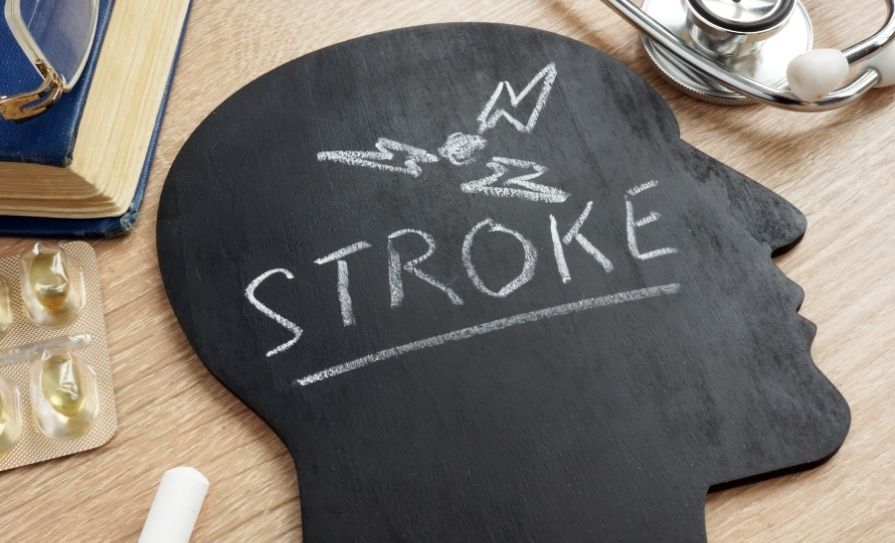
At the World Congress of Neurology, Prof Charlotte Cordonnier, Professor of Neurology, Lille University Hospital, France, urged the global neurology community to carry forward the lessons of the ischaemic stroke revolution and apply them to one of medicine’s most urgent frontiers: Intracerebral haemorrhage (ICH).
“Over the past 30 years, our understanding of time, teamwork, and imaging transformed ischaemic stroke from a fatal event to a treatable emergency,” she said. “Now it’s time to bring that same focus, innovation, and collaboration to haemorrhagic stroke – where mortality remains unacceptably high and progress has lagged behind.”
Prof Cordonnier outlined a three-step strategy for the future of ICH care: Prevent haematoma expansion, promote haematoma evacuation, and counter neuroinflammatory response. She emphasised that success will come not from isolated interventions, but from integrated, time-sensitive care models that combine imaging, neurointensive medicine, pharmacologic innovation, and personalised targets for blood pressure and organ function.
Her vision calls for a new generation of data-driven stroke units, where imaging and biomarkers work in tandem to guide individualised treatment decisions. “We must look beyond the vessel and focus on the blood content and its toxicity,” she explained. “Understanding how blood interacts with brain tissue – and how to reverse those effects – is the next great leap.”
Beyond acute care, Prof Cordonnier highlighted the importance of prevention and long-term brain health, noting that small vessel disease burden strongly predicts both functional and cognitive decline among stroke survivors. “Prevention doesn’t end at the hospital,” she said. “It begins with promoting brain health across the lifespan and reducing small-vessel damage before the first event ever occurs.
“We’re in an evolution that connects everything we’ve learned from ischaemic stroke to a new era of care for haemorrhagic stroke. Together, through science, precision, and collaboration, we can change the story for these patients.”
Her remarks reflected a defining message of this year’s Congress: That neurology’s greatest breakthroughs arise not from isolated discoveries, but from collective evolution – translating decades of insight into new standards of care that extend and improve lives worldwide.









Leave a Reply
You must be logged in to post a comment.