







EADV Congress, Paris, France, and online, 17-20 September 2025 https://eadv.org/congress
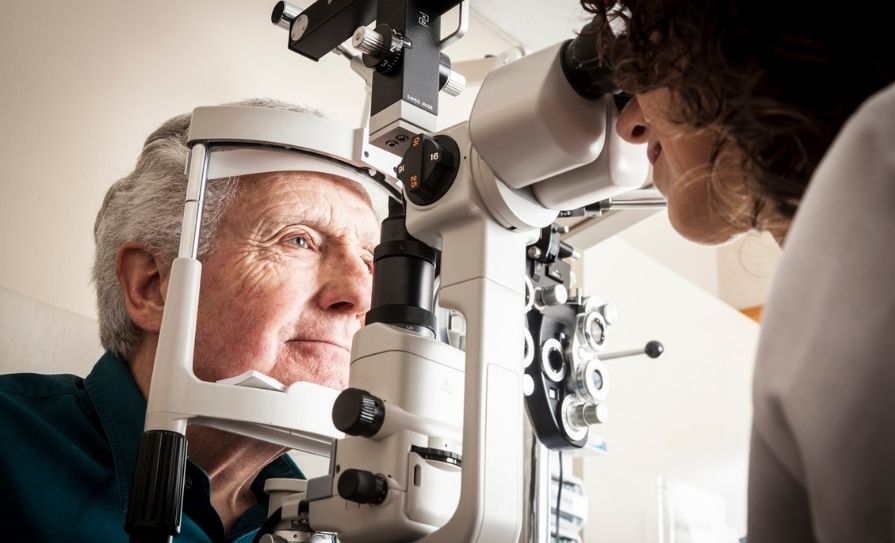
New research presented at the European Academy of Dermatology and Venereology (EADV) Congress 2025 reveals that people with psoriasis face a significantly increased risk of developing age-related macular degeneration (AMD), a leading cause of vision loss.
This study is among the largest to date investigating whether psoriasis also predisposes individuals to AMD.
Dr Alison Treichel, Dermatologist, University of Rochester, US, and her team conducted a 15-year retrospective cohort study using data from the US TriNetX collaborative network. The study included 22,901 patients over the age of 55 with psoriasis and compared their outcomes with three propensity-matched control groups: Individuals with melanocytic nevi (MN) to represent other dermatology patients; patients diagnosed with major depressive disorder (MDD) to account for chronic disease and healthcare use; and patients who had undergone an ophthalmologic exam to ensure comparable opportunities for AMD diagnosis. Individuals with a prior diagnosis of AMD were excluded.
In a separate analysis, psoriasis patients treated with biologics were compared to those treated with topical corticosteroids who had not received biologics before or during the follow-up period.
Over the 10-year follow-up period, people with psoriasis had a higher likelihood of developing AMD compared with patients in the MDD and MN cohorts, with a 56 per cent and 21 per cent increased risk, respectively.
Looking at the two main forms of AMD – exudative (wet) and non-exudative (dry) – psoriasis was associated with a 40 per cent and 13 per cent higher risk, respectively, compared with the MDD cohort.
“Psoriasis is a systemic inflammatory disease in which lipid dysregulation contributes to cardiovascular disease,” explained Dr Treichel. “Because abnormal lipid deposition in the retina is a hallmark of age-related macular degeneration, particularly the dry form that causes progressive vision loss, it is biologically plausible that psoriasis could increase AMD risk. Our study is the first to demonstrate a novel association between psoriasis and non-exudative AMD and serves as a hypothesis generating observation for future studies.”
Notably, psoriasis patients treated with biologic therapies had a 27 per cent lower risk of developing AMD compared with biologic-naïve patients treated with topical corticosteroids only.
“Our findings support a connection between psoriasis and AMD, both exudative and non-exudative, which could be mediated by shared lipid dysregulation,” Dr Treichel explained. “They also suggest that biologic therapies could offer protective benefits beyond skin symptoms. Further research is needed to determine whether these treatments have a true disease-modifying effect and to better understand the role of shared risk factors, including smoking, obesity, cardiovascular disease, and access to specialist care.”
Dr Treichel emphasised that individuals with psoriasis should remain vigilant. “Patients with psoriasis should continue to follow standard eye exam guidelines and promptly report any changes in their vision to their healthcare providers. More research is needed before specific screening recommendations can be made.”











Leave a Reply
You must be logged in to post a comment.