







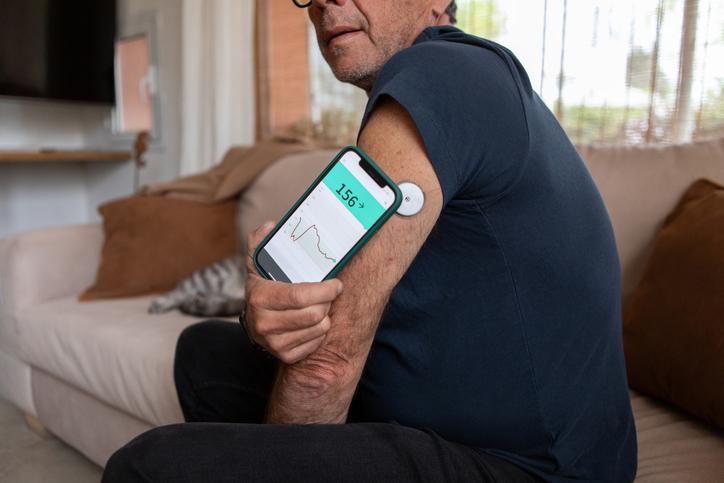
A new study examining the role of continuous glucose monitoring (CGM) in the management of adults with type 2 diabetes (T2D) who are not on insulin found that CGM substantially reduced hyperglycaemia, resulting in a large reduction in HbA1c compared with a routine care control group. Researchers presented this data at the 2026 Scientific Sessions of the American Diabetes Association in New Orleans, US.
The CONNECT randomised controlled trial was a multicentre study conducted across 22 primary care practices in the US and included 283 adults with T2D not on insulin (mean age 60; 32% racial or ethnic minority participants; HbA1c 7.1% to 14.9%). The trial evaluated the impact of CGM on blood glucose management and HbA1c levels (a way to understand blood glucose levels over the past two or three months) over 26 weeks. At baseline, mean HbA1c was 8.8 per cent, with 31 per cent of participants having an HbA1c ≥9 per cent.
In addition, 37 per cent of participants were using an SGLT2 inhibitor, while 40 per cent were using an incretin-based medication, such as a GLP-1 receptor agonist. Participants were randomly assigned to either use a CGM device (Dexcom G7) or receive routine care with standard blood glucose meter testing.
The study found that CGM was associated with a substantial reduction in hyperglycaemia, resulting in a 0.9 per cent greater HbA1c reduction after six months in the CGM group compared with the routine care control group. Time in the glucose target range of 70 to 180mg/dL was five hours per day greater with CGM than with routine care. Participants in the CGM group expressed greater satisfaction with glucose monitoring and reduced distress related to diabetes compared with the routine care group.
“Since many of the patients with type 2 diabetes who use oral or non-insulin injectable therapies are seen in primary care settings, continuous glucose monitoring provides an opportunity to close a visible care gap,” said Dr Thomas W Martens, co-author of the study. “As the first major randomised controlled trial evaluating CGM in individuals with type 2 diabetes not using insulin, these findings can help reshape diabetes management and expand treatment options for patients, improve glucose levels and HbA1c management for clinicians, and ultimately reduce diabetes-related complications.”
A six-month extension phase of the CONNECT trial is currently being conducted, which will provide further data on the sustainability of the beneficial CGM effects after 12 months.









Leave a Reply
You must be logged in to post a comment.