



Reference: March 2026 | Issue 3 | Vol 12 | Page 42
Cardiovascular disease (CVD) remains the leading cause of morbidity and mortality worldwide, placing a substantial burden on individuals, healthcare systems, and societies. CVD accounted for an estimated 19.8 million deaths worldwide in 2022, corresponding to approximately 32 per cent of global mortality, with heart attack and stroke responsible for the vast majority of these fatalities.1
While pharmacological therapies and interventional procedures are essential components of modern cardiovascular care, lifestyle modification constitutes a cornerstone of both primary and secondary management.
Lifestyle factors including diet, physical activity, tobacco use, alcohol consumption, weight management, sleep quality, and psychosocial health interact with traditional clinical risk factors such as hypertension, dyslipidaemia, and diabetes mellitus, and can markedly influence disease progression and outcomes.1,2
Dietary patterns and cardiovascular risk
High-quality dietary patterns are consistently linked to lower cardiovascular risk and are a cornerstone of evidence-based CVD prevention and management.¹ Nutritional strategies such as the Mediterranean diet and the Dietary Approaches to Stop Hypertension (DASH) diet have been shown to improve blood pressure, lipid profiles, insulin sensitivity, and systemic inflammation – all pathophysiological processes central to atherosclerotic progression and cardiovascular events.
Large prospective cohort meta-analyses show that adherence to healthy lifestyle behaviours, including higher diet quality, is associated with lower CVD incidence and mortality, with incremental adoption of these behaviours providing added benefits for recurrence and survival in individuals with established CVD. Healthy dietary patterns have been associated with a 60-67 per cent reduction in cardiovascular events in pooled cohort analyses.²
These benefits are mediated through improved low-density lipoprotein (LDL) cholesterol and blood pressure control, particularly in diets emphasising fruits, vegetables, whole grains, lean protein sources, and unsaturated fats, alongside reduced consumption of ultra-processed foods and added sugars.2,3
European and UK clinical guidelines emphasise the role of structured dietary counselling in CVD prevention, recommending a predominantly plant-based diet with reduced intake of sodium, saturated fat, and free sugars. When delivered as part of a comprehensive lifestyle intervention, such dietary approaches result in modest but clinically meaningful improvements in intermediate cardiovascular risk markers, including blood pressure and lipid profiles.³
Physical activity, sedentary behaviour, and cardiac outcomes
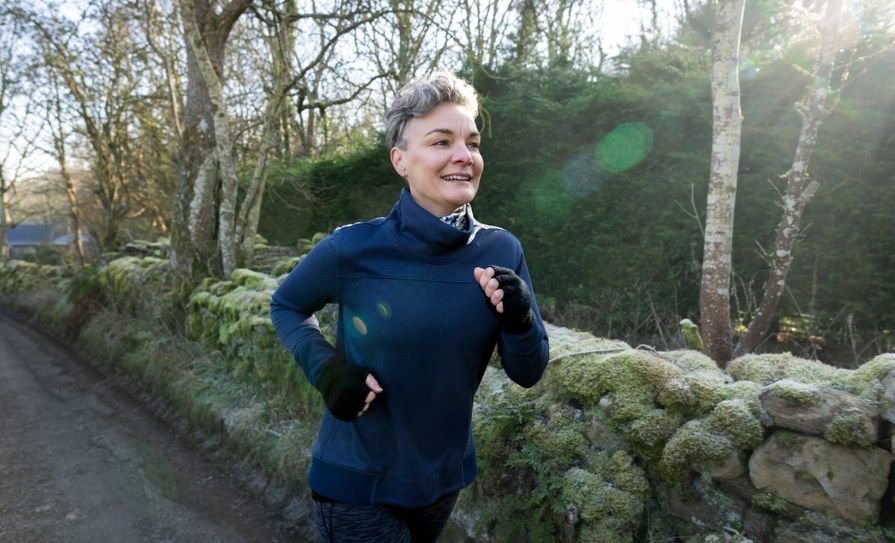
Regular physical activity provides well-established cardioprotective benefits and is recognised as a fundamental component of CVD prevention and management in European and UK clinical guidelines. Aerobic physical activity improves endothelial function, optimises myocardial oxygen supply-demand balance, and positively influences blood pressure, lipid profiles, and glycaemic control, mechanisms central to the prevention and progression of atherosclerotic CVD.3
European and Irish clinical guidance highlights the importance of regular physical activity and reduced sedentary behaviour for cardiovascular health.3,4 According to the ‘Every Move Counts: National Physical Activity and Sedentary Behaviour Guidelines for Ireland’, adults aged 18 years and older should aim for at least two hours and 30 minutes to five hours of moderate intensity aerobic physical activity per week, or one hour and 15 minutes to two hours and 30 minutes of vigorous intensity aerobic physical activity accumulated across the week, with additional muscle strengthening activities recommended on two or more days.4
These guidelines also highlight that replacing sedentary time with any intensity of movement provides health benefits, and that higher levels of physical activity are associated with improved cardiovascular and overall health outcomes, including reductions in CVD incidence and mortality.3,4
Excessive sedentary behaviour is associated with adverse outcomes such as increased CVD mortality and incidence, emphasising that movement beyond structured exercise is important for risk reduction.4 Strategies to limit prolonged sitting and integrate regular daily activity, even at low intensity, are advised to mitigate cardiovascular risk across populations.3, 4
Smoking cessation and alcohol moderation
Tobacco use remains a key modifiable risk factor for CVD. Smoking cessation reduces cardiovascular risk at all stages of disease, with rapid reductions in risk of myocardial infarction and stroke observed within years of quitting. Behavioural and pharmacotherapy support significantly increase cessation success and are cost-effective components of comprehensive CVD care.
Alcohol intake has a complex relationship with cardiovascular health. While earlier studies suggested benefits with moderate consumption, current guidelines advise limiting alcohol due to its links with hypertension, atrial fibrillation, and cardiomyopathy.2,3
Stopping smoking is a key preventive strategy. The 2021 European Society of Cardiology (ESC) Guidelines on Cardiovascular Disease Prevention state that smoking cessation markedly reduces the risk of recurrent cardiovascular events and death, providing significant gains in CVD-free years, even for older adults and heavy smokers. Quitting must be encouraged in all smokers, and passive smoking should be minimised to reduce CVD risk.3
European evidence also shows that smoking contributes markedly to cardiovascular morbidity and mortality, with smokers facing roughly double the 10-year fatal CVD risk compared with nonsmokers, and continued smoking after myocardial infarction is associated with substantially higher mortality rates.5
The 2021 ESC guidelines also address alcohol consumption, noting that higher levels of use are associated with increased risk of stroke, heart failure, and other cardiovascular outcomes, and that Mendelian randomisation and epidemiological data challenge the notion of protective effects of moderate alcohol intake, suggesting that the lowest CVD risks occur in abstainers.6
European public health organisations, including the European Heart Network and World Heart Federation, emphasise that alcohol is a major contributor to cardiovascular harm and that there is no conclusive evidence of heart health benefits from low or moderate consumption.7
Weight management and metabolic health
Adiposity is a central modifiable determinant of CVD, influencing risk through multiple interrelated mechanisms including elevated blood pressure, impaired glucose metabolism, dyslipidaemia, systemic inflammation, and endothelial dysfunction.8 Excess adipose tissue, particularly visceral fat, promotes insulin resistance and atherogenic lipid profiles, contributing to the development and progression of coronary artery disease and heart failure.
Lifestyle interventions that combine dietary modification and structured physical activity have been shown to produce clinically meaningful reductions in body weight and adiposity, which in turn improve hypertension, glycaemic control, and lipid profiles. These improvements lead to lower long-term cardiovascular risk, including lower incidence of myocardial infarction, stroke, and other major adverse cardiovascular events.
In populations at high risk, such as individuals with prediabetes, targeted lifestyle interventions emphasising weight loss and increased physical activity have demonstrated significant decreases in cardiovascular risk markers and adverse events, highlighting the importance of early and sustained behavioural modification.9
European and UK guidelines recommend integrating structured weight management programmes into cardiovascular prevention strategies, combining nutritional counselling, aerobic and resistance exercise, and behavioural support to optimise adherence and achieve sustained cardiovascular benefit.4,8
Sleep, stress, and psychosocial factors
Evidence from European cohort studies and clinical consensus statements highlights the importance of sleep quality, stress management, and broader psychosocial wellbeing in cardiovascular health.
Large community-based prospective studies from France and Switzerland found that healthy sleep patterns, including optimal duration, minimal insomnia symptoms, and low daytime sleepiness, were linked to substantially lower cardiovascular risk. Each one-unit increase in a composite healthy sleep score was associated with an approximately 16-18 per cent reduction in coronary heart disease and stroke risk over nearly 10 years of follow-up.10
Similarly, UK Biobank analyses demonstrate that healthier sleep behaviours, including adequate duration and fewer disturbances, are associated with reduced incident of CVD, coronary heart disease, and stroke, independent of traditional risk factors.11 These data reinforce that sleep characteristics such as duration and quality are not merely correlating but likely independent markers of cardiovascular risk, and interventions to improve sleep may have population level impact.
Psychosocial stress and mental health conditions, including chronic stress, anxiety, and depressive symptoms, have also been recognised in European practice guidance as significant contributors to cardiovascular risk and outcomes.
The ESC 2025 Clinical Consensus Statement on Mental Health and CVD highlights the bidirectional relationship between mental health conditions and CVD, noting that chronic stress, depression, and anxiety disorders can increase cardiovascular risk up to twofold, and that individuals with established CVD often experience poorer outcomes when psychosocial factors are unaddressed.12
Analyses from UK Biobank show that higher frequency of depressive symptoms is associated with increased CVD risk across outcomes such as coronary artery disease, stroke, and heart failure, with lifestyle factors like physical activity and sleep partially mediating these associations.13
European evidence supports the inclusion of a psychosocial risk assessment, including screening for depressive symptoms and chronic stress, in routine cardiovascular prevention and care pathways, as well as integrated management strategies, to address these factors alongside traditional lifestyle modifications.12
Evidence and clinical trials
Randomised controlled trials and meta-analyses predominantly support the benefits of lifestyle modification for intermediate cardiovascular risk factors and composite risk scores. Comprehensive lifestyle programmes that integrate dietary improvements, increased physical activity, smoking cessation efforts, and behavioural counselling improve physical activity levels, diet quality, and medication adherence.
However, evidence regarding direct impacts on hard outcomes such as CVD mortality and major adverse cardiovascular events is more variable in trials that combine lifestyle and medical management, suggesting complexity in translating behavioural changes into measurable event reductions in heterogeneous clinical populations.14
Nevertheless, population-level studies and prospective cohorts consistently indicate that individuals who adopt multiple healthy lifestyle behaviours have significantly lower incidence of CVD, less recurrent events, and reduced all-cause mortality compared with those who do not.
These findings indicate that lifestyle interventions should be viewed as essential, evidence-based treatments in CVD management plans, alongside pharmacotherapy and procedural interventions.2
Clinical implementation and challenges
In clinical practice, incorporating lifestyle counselling into busy cardiovascular care pathways can be challenging. Barriers include limited clinician time, patient adherence difficulties, socioeconomic and cultural determinants of health, and insufficient structured support for behaviour change.
Successful implementation often relies on a multidisciplinary approach involving dietitians, physiotherapists, behavioural psychologists, and digital health tools to provide personalised counselling and monitoring. Emerging eHealth and telehealth modalities show promise in improving lifestyle behaviours, although further research is needed to optimise these interventions and evaluate long-term effects on clinical outcomes.15
Conclusion
Lifestyle modification is a key evidence-based approach in the treatment and management of CVD. High-quality dietary patterns, regular physical activity, smoking cessation, weight management, alcohol reduction, sleep optimisation, and psychosocial support collectively influence the pathophysiology of CVD and improve both intermediate risk factors and long-term outcomes.
Lifestyle interventions are supported by current evidence as first-line therapy in primary and secondary cardiovascular care, while research continues to refine their implementation and underlying mechanisms.
References
- World Health Organisation. Cardiovascular diseases (CVDs). Geneva: WHO; 2025. Available at: www.who.int/news-room/fact-sheets/detail/cardiovascular-diseases-(cvds).
- Wu J, Feng Y, Zhao Y, et al. Lifestyle behaviours and risk of cardiovascular disease and prognosis among individuals with cardiovascular disease: A systematic review and meta-analysis of 71 prospective cohort studies. Int J Behav Nutr Phys Act. 2024; 21:42. doi:10.1186/s12966-024-01586-7. Available at: https://link.springer.com/article/10.1186/s12966-024-01586-7.
- Visseren FLJ, Mach F, Smulders YM, et al. 2021 ESC guidelines on cardiovascular disease prevention in clinical practice. Eur Heart J. 2021;42(34):3227–3337. doi:10.1093/eurheartj/ehab484.
- Department of Health, Health Service Executive. Every move counts: national physical activity and sedentary behaviour Guidelines for Ireland. Dublin: Government of Ireland; 2024. Available at: www.gov.ie/en/healthy-ireland/publications/every-move-counts-national-physical-activity-and-sedentary-behaviour-guidelines-for-ireland/.
- Piepoli MF, Hoes AW, Agewall S, et al. 2016 European Guidelines on cardiovascular disease prevention in clinical practice: The Sixth Joint Task Force of the European Society of Cardiology and Other Societies on Cardiovascular Disease Prevention in Clinical Practice (constituted by representatives of 10 societies and by invited experts). Developed with the special contribution of the European Association for Cardiovascular Prevention and Rehabilitation (EACPR). Eur Heart J. 2016;37(29):2315-2381. doi:10.1093/eurheartj/ehw106.
- Visseren FLJ, Mach F, Smulders YM, et al. 2021 ESC Guidelines on cardiovascular disease prevention in clinical practice. Eur Heart J. 2021;42(34):3227-3337. doi:10.1093/eurheartj/ehab484.
- European Heart Network. The Impact of Alcohol Consumption on Cardiovascular Disease position paper. Brussels: EHN; 2025. Available at: ehnheart.org/news-events/news/press-releases/ehn-launches-new-position-paper-on-the-impact-of-alcohol-consumption-on-cardiovascular-disease/.
- Demissie GD, Birungi J, Shrestha A, et al. The effectiveness of lifestyle interventions in reducing cardiovascular risk and risk factors in people with prediabetes: A systematic review and meta-analysis. Nutr Metab Cardiovasc Dis. 2025;35(10):104130. doi:10.1016/j.numecd.2025.104130International
- Diabetes Federation. IDF Clinical Practice Recommendations for Managing Prediabetes and Preventing Type 2 Diabetes. Brussels: IDF; 2023. Available at: idf.org/what-we-do/education/idf-clinical-practice-recommendations-for-type-2-diabetes-2025/.
- Nambiema A, Lisan Q, Vaucher J, et al. Healthy sleep score changes and incident cardiovascular disease in European prospective community-based cohorts. Eur Heart J. 2023;44(47):4968-4978. doi:10.1093/eurheartj/ehad657
- Fan M, Sun D, Zhou T, et al. Sleep patterns, genetic susceptibility, and incident cardiovascular disease: A prospective study of 385 292 UK Biobank participants. Eur Heart J. 2020 Mar 14;41(11):1182–1189. doi:10.1093/eurheartj/ehz849.
- European Society of Cardiology. 2025 ESC Clinical Consensus Statement on Mental Health and Cardiovascular Disease. ESC; 2025. Available at: www.escardio.org/guidelines/clinical-practice-guidelines/all-esc-practice-guidelines/mental-health-and-cvd/.
- Nakada S, Ho FK, Celis-Morales C, et al. Individual and joint associations of anxiety disorder and depression with cardiovascular disease: A UK Biobank prospective cohort study. Eur Psychiatry. 2023;66(1):e54. Published 2023 Jul 5. doi:10.1192/j.eurpsy.2023.2425.
- Abate SM, Thanigaimani S, Sinha M, et al. A systematic review and meta-analysis testing the effect of lifestyle modification and medication optimisation programmes on cholesterol and blood pressure in patients with cardiovascular disease. Systematic Reviews. 2025;14(1):153. doi.org/10.1186/s13643-025-02857-5.
- Jin Y, Qiu Y, Zhang Q, et al. The effectiveness of eHealth-based cardiovascular disease risk communication: A systematic review and meta-analysis. NPJ Digit Med. 2025;9(1):33. Published 2025 Dec 4. doi:10.1038/s41746-025-02205-w.