




The Irish Association for Emergency Medicine (IAEM) has strongly endorsed the findings, and particularly the recommendations, of the HIQA independent review into the delivery of urgent and emergency healthcare services in the HSE Mid-West region.
In a statement, the IAEM emphasised that a delivery plan for beds in both the Mid-West region and across Ireland is needed urgently to reduce avoidable deaths.
“This requires expedited planning, procurement and delivery similar to what happened during Covid,” according to the Association.
The IMO also welcomed HIQA’s independent review.
The Organisation said it was “critically important” that action was taken immediately by Minister for Health Jennifer Carroll MacNeill to address “the stark deficit in bed capacity in the area”.
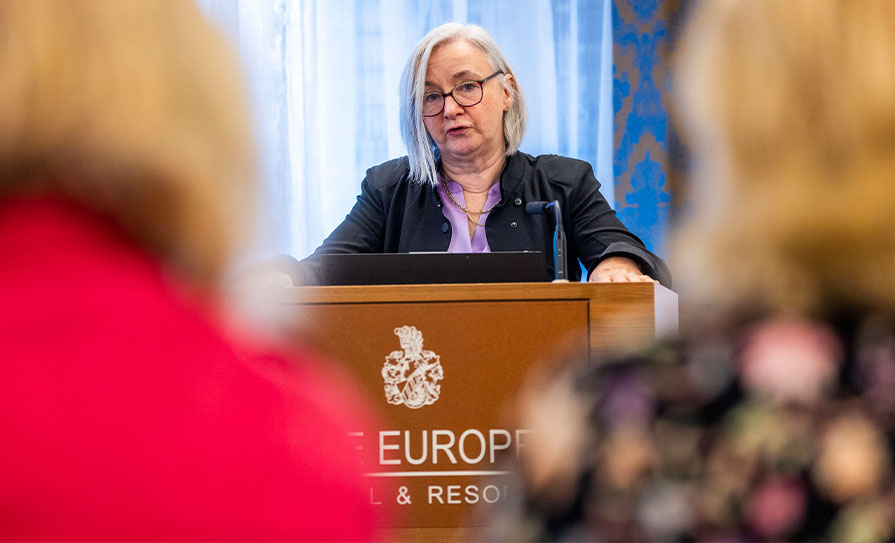
Dr Anne Dee, President of the IMO and a Public Health Consultant based in Limerick, said: “While the IMO welcomes the publication of the HIQA report today, its findings are hugely concerning for patients and the medical workforce working in the region. The serious deficit of beds is at the root of the problem in the mid-west, and a quality, safe service for patients cannot be delivered without these beds as well as the right number of staff.”
She said that University Hospital Limerick (UHL) was operating at a dangerous capacity which was detrimental for staff and patients. She added that the primary goal in the mid-west should be to support staff with the infrastructure they need to deliver safe care, rather than an improvement in productivity.
“Patients in the mid-west have lost trust in the system, and if that trust is to be rebuilt we need to see a clear, resourced plan with targeted supports. In addition to a longer-term decision, short-term measures to increase capacity must be initiated with supports both in terms of beds and services within the community – we need an immediate short-term plan to run alongside a longer-term ambition.”
Speaking upon release of the report, Dr Máirín Ryan, Director of Health Technology Assessment and Deputy CEO at HIQA, said: “HIQA found that the core issue impacting urgent and emergency healthcare delivery in HSE Mid West is the significant inpatient bed capacity deficit relative to demand from patients presenting with more serious or complex care needs. This is intensified by an ever-growing demand for services, which will continue into the future as highlighted by the ESRI projections for the period up to 2040. The current situation caused by the demand-capacity gap at University Hospital Limerick and across HSE Mid West presents a risk to patient safety.”
HIQA’s advice highlighted an immediate need for action and investment to address current risks to patient safety in the shortest timeframe and safest way possible. The solution must also have regard for the ESRI projected capacity requirements to 2040.
HIQA has presented the Minister with three options for how this might be achieved. These include the expansion of capacity at UHL on the Dooradoyle site (Option A); the extension of the UHL hospital campus to include a second site in close proximity under a shared governance and resourcing model (Option B); and the development of a Model 3 hospital in HSE Mid West, providing a second emergency department (ED) for the region (Option C).
HIQA is of the view that Options A or B will likely yield the required inpatient capacity in the mid-west within a shorter timeframe, thereby addressing the immediate risk to patient safety.
“Option C may have the potential to meet longer-term bed requirements, but would be least capable of addressing immediate capacity deficits, while being associated with the longest lead times,” it outlined.
“Given that the ESRI projections span a wide range in terms of additional beds required, it will be important to ensure that decisions made around the future design and delivery of urgent and emergency healthcare services enable flexibility in how services are planned and developed. It is essential that there is ongoing monitoring of actual demand for services relative to the ESRI capacity projections, to support timely decision-making.”
HIQA’s Director of Healthcare Regulation, Mr Sean Egan, commented: “In working to progress any of these options, HIQA recommends the development of a comprehensive strategic plan. This should remain focused on addressing the safety concerns which prompted this review, while having regard to the future demographic and policy considerations. Ongoing communication and engagement with the people of the mid-west will also be crucial to its delivery.”
The review can be read here: https://www.hiqa.ie/reports-and-publications/key-reports-investigations/advice-minister-health-inform-decision-making