NOTE: By submitting this form and registering with us, you are providing us with permission to store your personal data and the record of your registration. In addition, registration with the Medical Independent includes granting consent for the delivery of that additional professional content and targeted ads, and the cookies required to deliver same. View our Privacy Policy and Cookie Notice for further details.
The Haematology Association of Ireland (HAI) Annual Meeting will take place at the Radisson Hotel, Cork, on Friday 9 and Saturday 10 October 2026. The two-day meeting will bring together specialists in the field for a varied programme of oral presentations, lectures, and poster viewings.
The meeting commences on Friday morning with an opening address by HAI President Prof Paul Browne.
State-of-the-art lectures
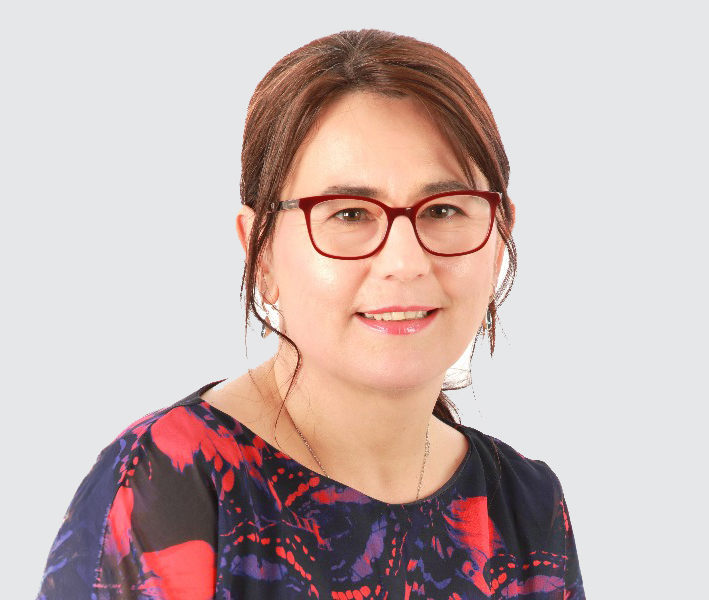
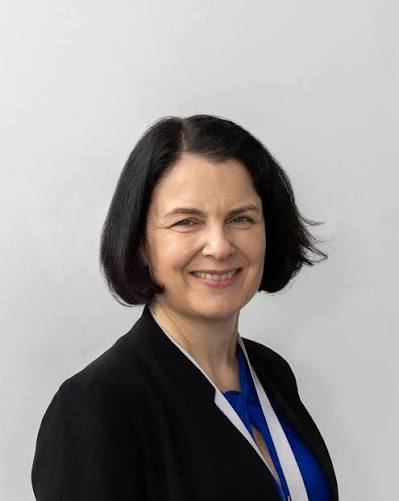
The first session will begin with oral presentations. Next on the agenda is the first of a series of state-of-the-art lectures. It will be delivered by Prof Laura Green, Consultant Haematologist, NHS Blood and Transplant, and Professor of Haemostasis and Transfusion Medicine, Queen Mary University of London, UK.
Prof Laura Green
Prof Green’s research focuses on improving the treatment of acquired bleeding disorders and bridging laboratory research and clinical work by developing new blood components that can improve the outcome of bleeding patients. She has led numerous randomised controlled trials, national epidemiological studies, and systematic reviews in the field of acquired bleeding disorders.
In 2024, Prof Green received the Kenneth Goldsmith Award. The award is for a UK-based individual and is given to recognise outstanding work and/or original research within the field of blood transfusion practice, together with contributions to blood transfusion in general, either in the medical or scientific fields.
At the time, Prof Green said: “I am delighted and honoured for this recognition and would like to acknowledge, not only the achievements of the research teams, but also the incredible generosity of our blood donors and dedication of blood production and hospital transfusion staff, all of which underpin the contributions we have been able to make to transfusion research and practices in the UK and beyond.”
The second session will include further oral presentations. These will be followed by the next lecture in the series. The lecture will be delivered by Dr Peter Stewart, Scientific Lead, School of Medicine, Dentistry and Biomedical Sciences, The Johnston Cancer Research Centre, Queen’s University Belfast. Dr Stewart’s work has focused on the development and validation of custom next-generation sequencing capture/hybridisation panels for lymphoproliferative disorders.
After Dr Stewart’s lecture, the HAI’s Annual General Meeting will take place, which will be followed by lunch.
The third session will also begin with oral presentations. Dr Robert Chiesa, Consultant in Paediatric Bone Marrow Transplantation and CAR T-cell Therapy, Great Ormond Street Hospital (GOSH) for Children, London, UK, will then deliver a state-of-the-art lecture.
Dr Chiesa has led several clinical studies in malignant and non-malignant diseases, as well as pharmacokinetic studies on busulfan and treosulfan. He runs the radio-immunotherapy (RIT) service with Yttrium-90 at GOSH, as part of a RIT phase 2 study. Dr Chiesa also leads the stem cell transplant programme in inborn errors of metabolism, and he has co-led a stem cell gene therapy trial in cerebral adrenoleukodystrophy.
He is the Clinical Transplant Lead on the Allogeneic CAR T-cell Therapy Programme in T-cell acute lymphoblastic leukaemia and acute myeloid leukaemia, and the Bone Marrow Transplantation Specialty Lead.
The two-day meeting will bring together specialists in the field for a varied programme of oral presentations, lectures, and poster viewings
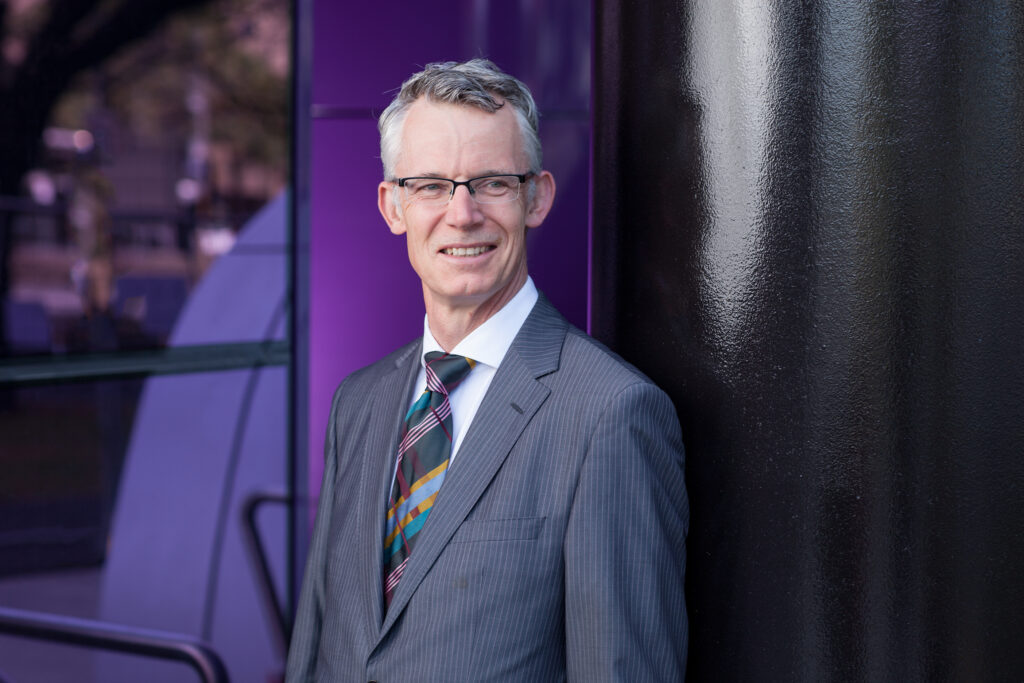
Prof John Seymour
Liam O’Connell lecture
The afternoon will also include the Presidents’ Symposium, which will be followed by the Liam O’Connell lecture.
The lecture will be given by Prof John Seymour. Prof Seymour served as the Director of the Haematology Department of the Peter MacCallum Cancer Centre and the Royal Melbourne Hospital, Australia, until June 2025. He is now Consultant Haematologist and Clinician-Researcher across both services.
He has authored more than 600 peer-reviewed publications, and over 900 conference abstracts. Actively involved in a broad range of collaborative research, Prof Seymour has been the principal investigator on more than 90 clinical trials, predominantly in the domains of early drug development and the indolent lymphoproliferative disorders, especially chronic lymphocytic leukaemia (CLL) and follicular lymphoma.
He is a member of several national and international scientific committees, including the scientific advisory committee for the International Workshop on CLL.
The day will conclude with official poster viewing and adjudication. The conference dinner will take place in the evening.
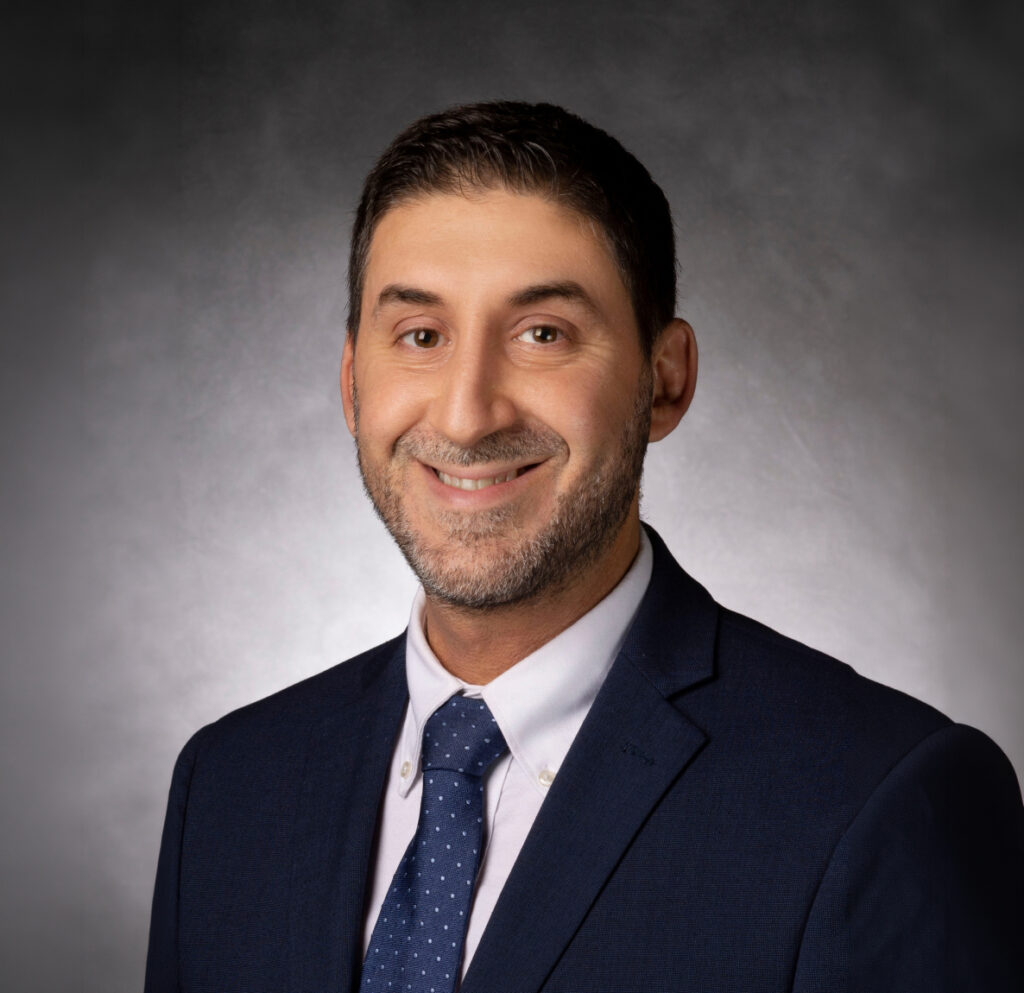
Dr Michael Roth
Second day
The first session of the second day (session five) will consist of oral presentations and a state-of-the-art lecture by Dr Michael Roth, Professor of Paediatrics, The University of Texas MD Anderson Cancer Centre, US. Dr Roth specialises in caring for children and adolescents with leukaemia and lymphoma and is the Director of the Childhood Cancer Survivorship Programme.
Prof Niamh O’Connell
Another state-of-the-art lecture forms part of the session and will be delivered by Prof Niamh O’Connell. Prof O’Connell is Consultant Haematologist at the National Coagulation Centre (NCC), St James’s Hospital, Dublin, and has been in the role of National Haemophilia Director since early 2018. The NCC is the lead comprehensive care centre for adults with bleeding disorders in Ireland and provides a hub of clinical services, research, training, and education on a national basis.
The next session will feature a series of clinical vignette presentations, before the final state-of-the-art lecture. This will be delivered by Dr Sally Elsir Mohammed, Consultant Haematologist, Belfast City Hospital.
The main meeting will close with the presentation of educational awards, followed by lunch. The final part of the programme will be an educational session for SpRs, registrars, and trainees in haematology in the afternoon.











Leave a Reply
You must be logged in to post a comment.