







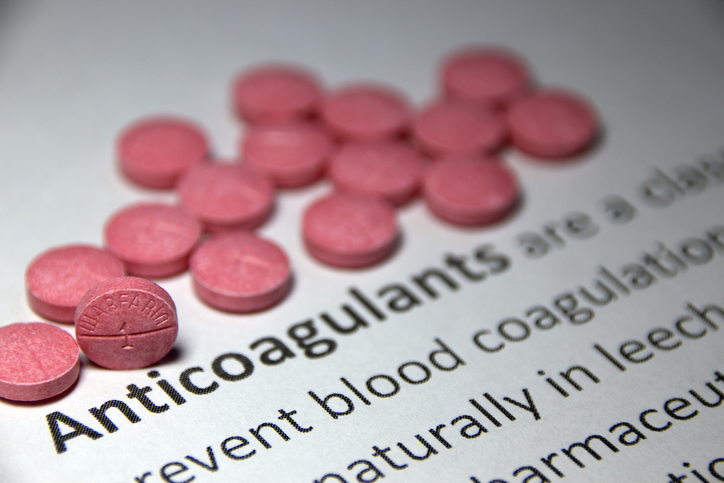
Oral anticoagulant therapy lowered the risk of adverse clinical events compared with no anticoagulation in patients with atrial fibrillation (AF) at intermediate stroke risk, according to results from the SINGLE-AF trial presented in a Hot Line session at the ESC Congress 2026 and published simultaneously in the New England Journal of Medicine.
Patients with AF are at increased risk of suffering a stroke. ESC guidelines recommend oral anticoagulants for patients with AF at high risk of stroke with a Class I recommendation. The guidelines also suggest that oral anticoagulants should be considered in patients at intermediate risk, with a Class IIa recommendation.
Principal Investigator of the SINGLE-AF trial, Prof Boyoung Joung from Yonsei University, Seoul, South Korea, said: “Evidence from observational studies with anticoagulants, particularly vitamin K antagonists, remains conflicting in those at intermediate risk. SINGLE-AF was conducted to provide the first evidence from a randomised trial on whether newer direct oral anticoagulants (DOACs) are beneficial in patients with AF at intermediate risk of stroke.”
SINGLE-AF was an open-label trial conducted at 18 centres in South Korea. A total of 1,803 individuals with AF and an intermediate risk of stroke (defined as a CHA2DS2-VASc score of 1 in men or 2 in women) were randomised (1:1) to receive DOAC therapy (apixaban 5mg twice daily or rivaroxaban 20mg once daily) or to no anticoagulation.

At 24 months, a 69 per cent reduction in the primary endpoint – a composite of stroke, systemic embolism, major bleeding or cardiovascular death – was observed with DOACs vs no anticoagulation (0.5% and 1.5%, respectively; p=0.028; hazard ratio 0.31; 95% CI 0.10 to 0.94). The difference between the groups appeared to be driven by a lower incidence of ischaemic stroke with DOAC therapy (0.1%) vs no anticoagulant therapy (1.1%). There was no difference in major bleeding with DOAC therapy (0.3%) and without (0.5%).
Prof Joung concluded: “We now have evidence from a randomised trial that patients with AF at intermediate stroke risk benefit from DOAC therapy, without an increase in major bleeding. Data from the SINGLE-AF trial may be used to inform future guideline recommendations and reimbursement policies.”










Leave a Reply
You must be logged in to post a comment.