







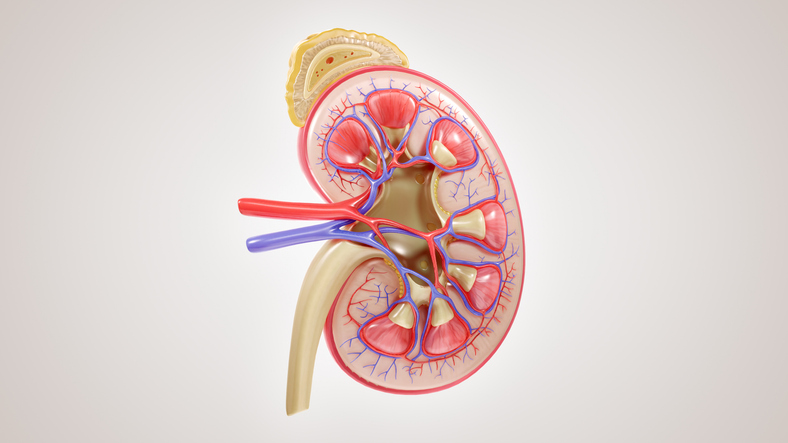
The first-ever European Society of Cardiology (ESC) guidelines on the management of cardiovascular disease and chronic kidney disease (CKD) have been developed in collaboration with the European Renal Association. The new guidelines were published online in the European Heart Journal and presented at the ESC Congress 2026.
“The disability and lifetime lost to each disease are profound, but CKD can accelerate CVD and vice versa, resulting in cardiovascular events and the need for dialysis much earlier in life,” said taskforce Chair, Associate Professor Kevin Damman from University Medical Centre Groningen, Netherlands.
“The good news is that there have been major advances over the last few years, which mean there are now several simple treatments that can substantially lower the risk of both cardiovascular and kidney complications.”

The taskforce developed the ‘STAMP on CKD’ acronym, which stands for: Screen, Triage, Address CKD Risk, Modify CVD management, and Plan health services. The first step is screening all patients with CVD at diagnosis for CKD using blood and urine tests (estimated glomerular filtration rate from blood creatinine plus urine albumin-to-creatinine ratio). A key message on triage is the accurate assessment of risk of kidney failure and accurate assessment of CVD risk using validated scoring systems that incorporate kidney function.
Addressing risk means ensuring the early use of proven cost-effective risk-modifying therapies that have been shown to slow CKD progression and reduce the risk of cardiovascular events. “Early use of drugs called RAS inhibitors and SGLT2 inhibitors alongside statin-based therapy are particularly important and effective,” explained Associate Prof Damman.
The guidelines highlight key areas where modifications to CVD management are needed in the context of CKD, including recommendations for medications that are permitted in patients who may not be able to clear standard treatments from their bodies due to decreased kidney function.
Finally, appropriate planning of health services ensures that services are set up to recognise high-risk patients and provide timely access to care from cardiologists and nephrologists. A version of the new guidelines for patients aims to give individuals the knowledge and confidence to be involved in shared decision-making with healthcare providers.
The taskforce Chairs concluded: “CVD and CKD are major burdens on patients, healthcare systems and society. The key messages in these guidelines should be noted by all relevant healthcare stakeholders and policymakers, and research planned to fill several gaps in the evidence. Raising awareness will help realise the hope that the guidelines will lead to important individual and societal improvement for those with, or at risk of, CVD and CKD.”









Leave a Reply
You must be logged in to post a comment.